Cart
0
You may also like
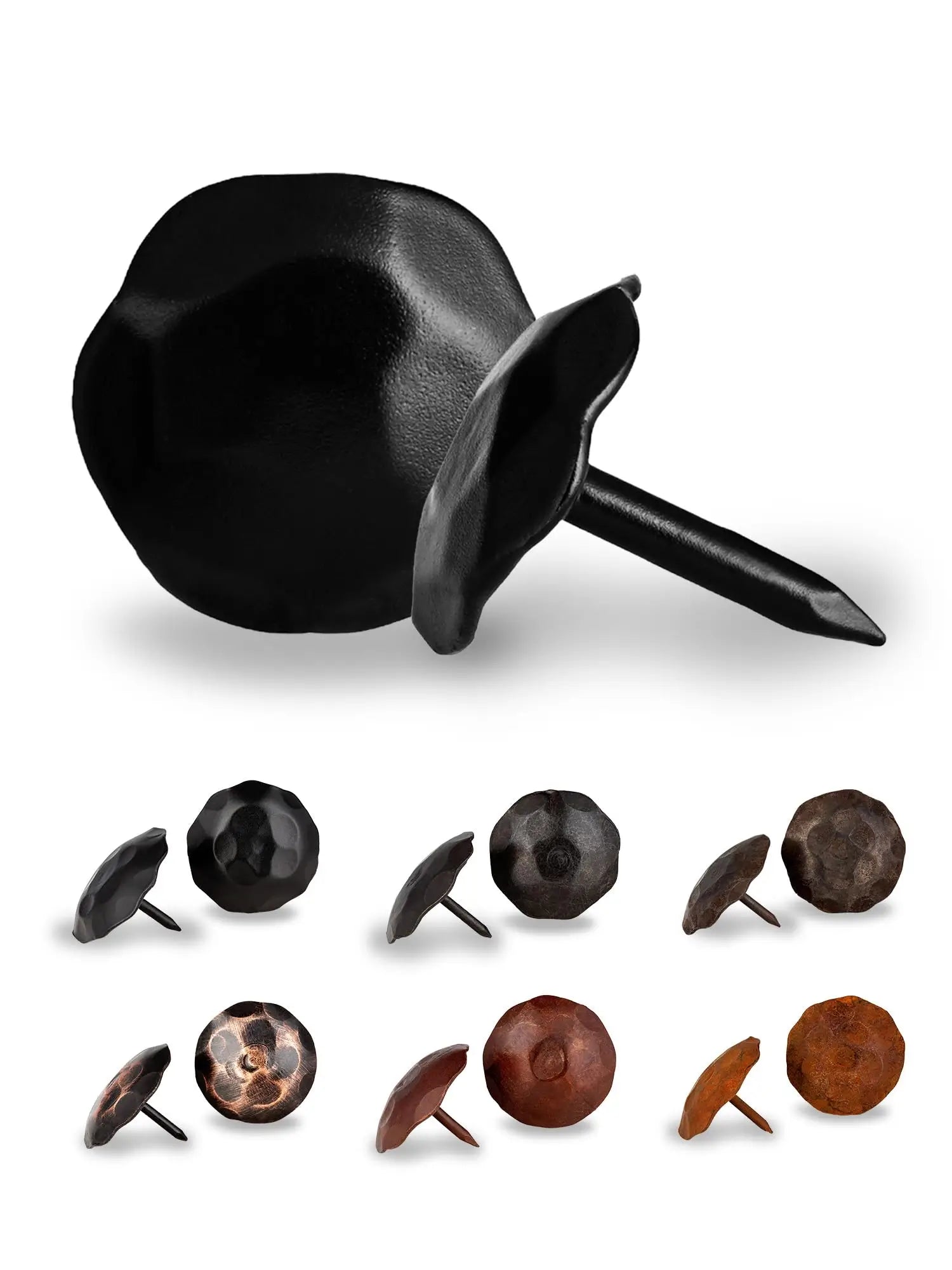
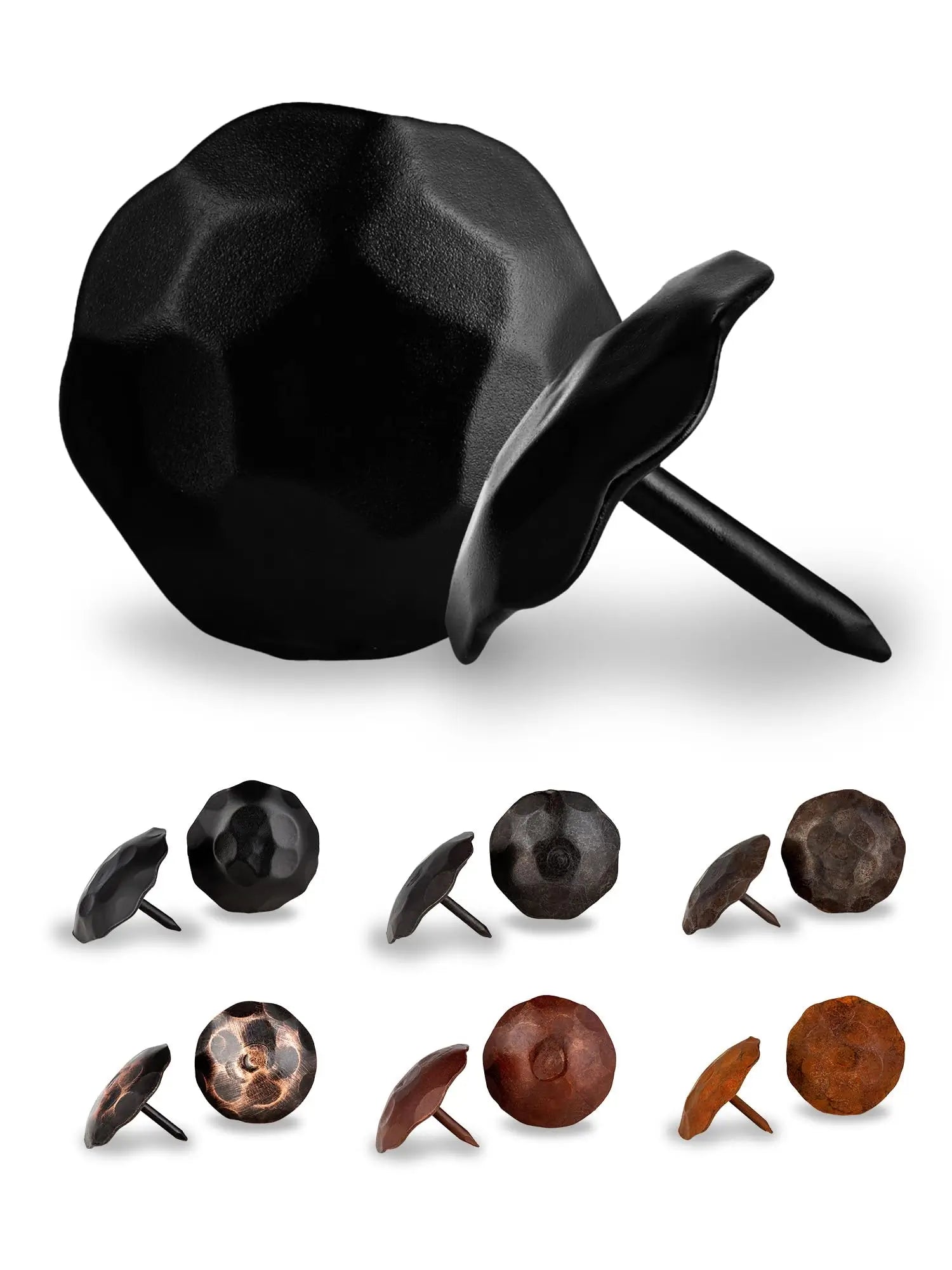
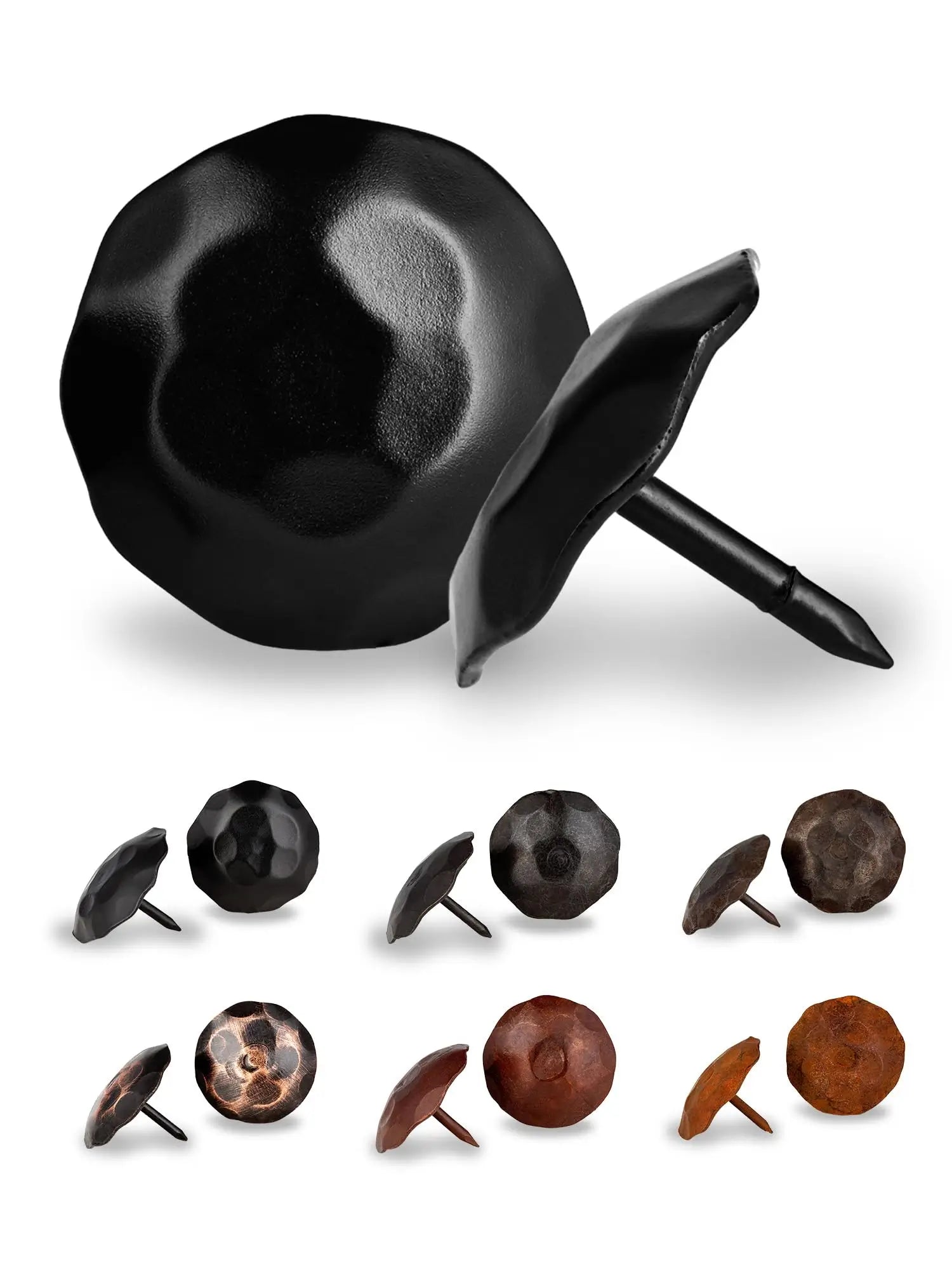
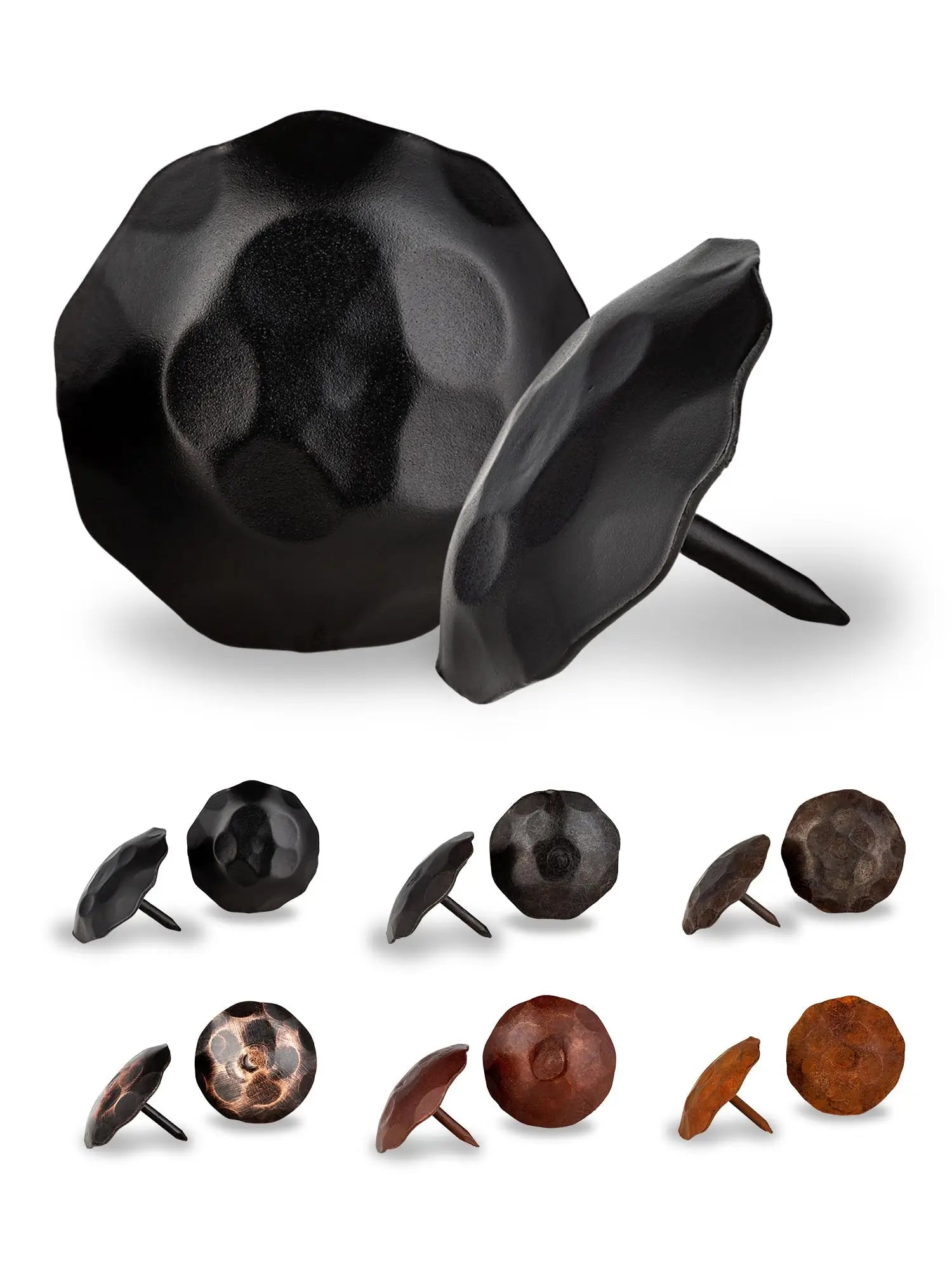
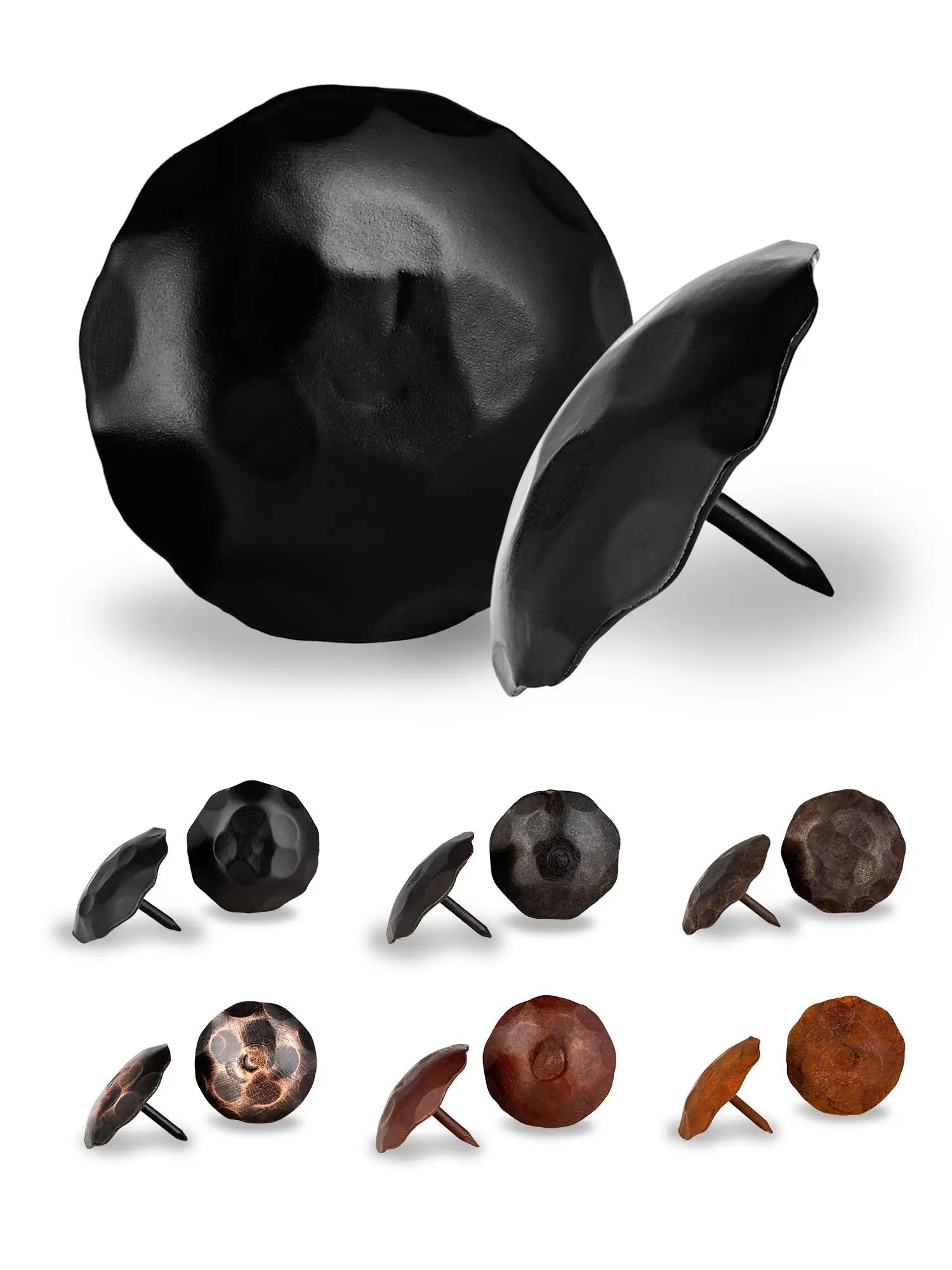


Hand forging is the process of heating iron or steel until it glows and shaping it with hammers and an anvil, instead of pouring it into a mold or stamping it from sheet metal. Because each piece is worked by hand, the metal's grain follows the shape of the piece, and no two pieces turn out exactly alike.
Forging is one of the oldest metalworking techniques, and it is still how many hinges, clavos, and brackets are made. Blacksmithing is the craft, and forging is the technique at its center. If you want the history, see our piece on blacksmithing as an art form. This guide explains the process itself.
Step 1: Heating. The smith heats the iron in a forge until it glows orange, roughly 1,800 to 2,000 degrees Fahrenheit. At that heat the metal becomes soft enough to move under a hammer.
Step 2: Drawing out and bending. Hammer blows lengthen and flatten the bar. The smith turns it on the anvil to shape it, bending it into a strap, curl, or hook as needed.
Step 3: Punching and detailing. Holes for screws are punched while the metal is hot. Hammer work adds texture, such as the dimples on a clavo head or the taper on a strap end.
Step 4: Reheating as needed. The metal cools quickly, so the smith returns it to the forge several times while working a single piece.
Step 5: Cooling and finishing. The finished piece cools, is cleaned, and then receives its finish, such as a protective coating or seal.
A closer look at the shop-floor details is in our blacksmithing process article.
Hot forging, described above, is the traditional method. Cold forging shapes metal at or near room temperature, usually with presses or dies, and suits smaller or simpler parts. Decorative hardware is usually hot forged because the detail and variation come from the hammer work.
|
Method |
How it works |
What you get |
|
Hand forging |
Heated iron is shaped with hammers |
Aligned grain, hammer texture, small variations between pieces |
|
Casting |
Molten metal is poured into a mold |
Uniform shapes, more brittle, faster to produce |
|
Stamping |
Sheet metal is pressed into shape |
Thin, lightweight, identical pieces |
Forged iron generally resists impact better than cast iron, which is why it is favored for hinges and latches that move daily. See forged vs. cast iron hardware and clavos vs. big-box nails for a closer comparison.
Strength: Hammering aligns the metal's grain, making pieces tougher than a cast piece of the same shape.
Character: Hammer marks and slight variations are part of the look. They are a sign of handwork, not a flaw.
Durability: Solid forged iron with a proper finish can last for decades indoors and out.
Repairability: A solid forged piece can be cleaned, re-coated, and reused, while a thin stamped piece is often replaced once its finish fails.
Raw iron rusts, so most hardware gets a protective finish after forging. A coated black finish resists rust well and needs little care, a sealed finish keeps the natural look while slowing corrosion, and an unfinished piece shows the pure forged surface but needs more upkeep. The finish changes how the hammer marks read, so it is worth choosing deliberately.
It is worth it when the piece is visible, handled every day, or exposed to weather, such as a front-door handle, a gate latch, or hinge straps. For hidden or light-duty uses, a simpler alternative can be perfectly reasonable. The difference shows up in weight, finish quality, and how well the piece holds up over time.
Look for hammer texture and small differences between identical pieces.
Check the weight. Solid forged iron feels heavy for its size.
Look at the ends. Tapered, curled, or flattened ends are typical of forged work.
Ask the seller directly whether a piece is forged, cast, or stamped, since the words "forged style" or "wrought iron look" can describe stamped or cast items.
Is hand forging the same as blacksmithing?
Blacksmithing is the craft of working iron. Hand forging is the main technique blacksmiths use: heating metal and shaping it with hammers.
Is hand-forged iron stronger than cast iron?
Generally, yes. Forging aligns the grain of the metal, which makes it less brittle and better at resisting impact than cast iron.
Why do hand-forged pieces look slightly different from each other?
Each one is shaped by hand, so small variations in shape and hammer texture are normal. Those differences are part of the appeal.
What temperature is iron forged at?
Iron is typically worked when it glows orange, roughly 1,800 to 2,000 degrees Fahrenheit, though exact heats vary by metal and technique.
See the result in our hand-forged clavos and the rest of our full hardware collection.


