Cart
0
You may also like
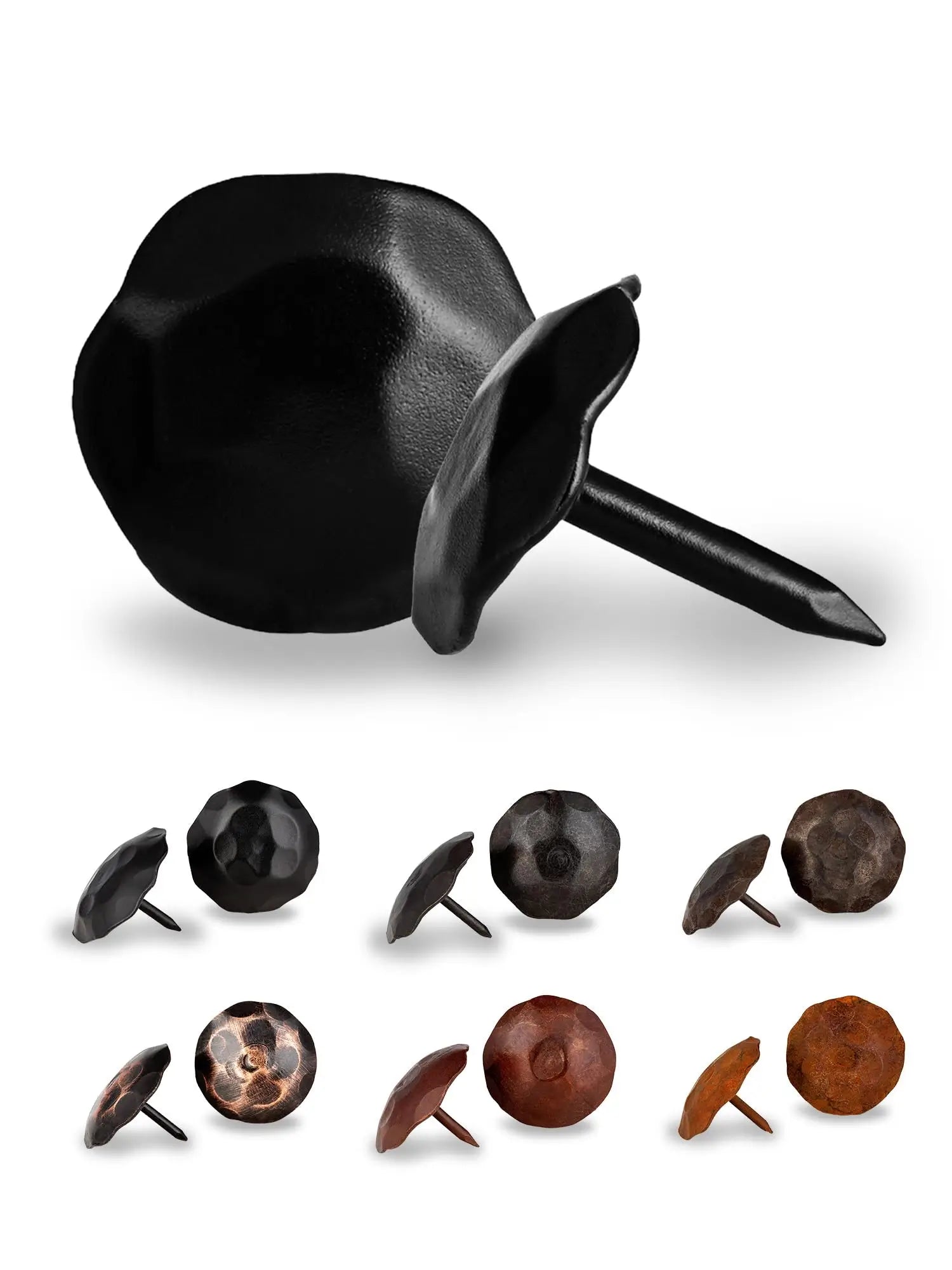
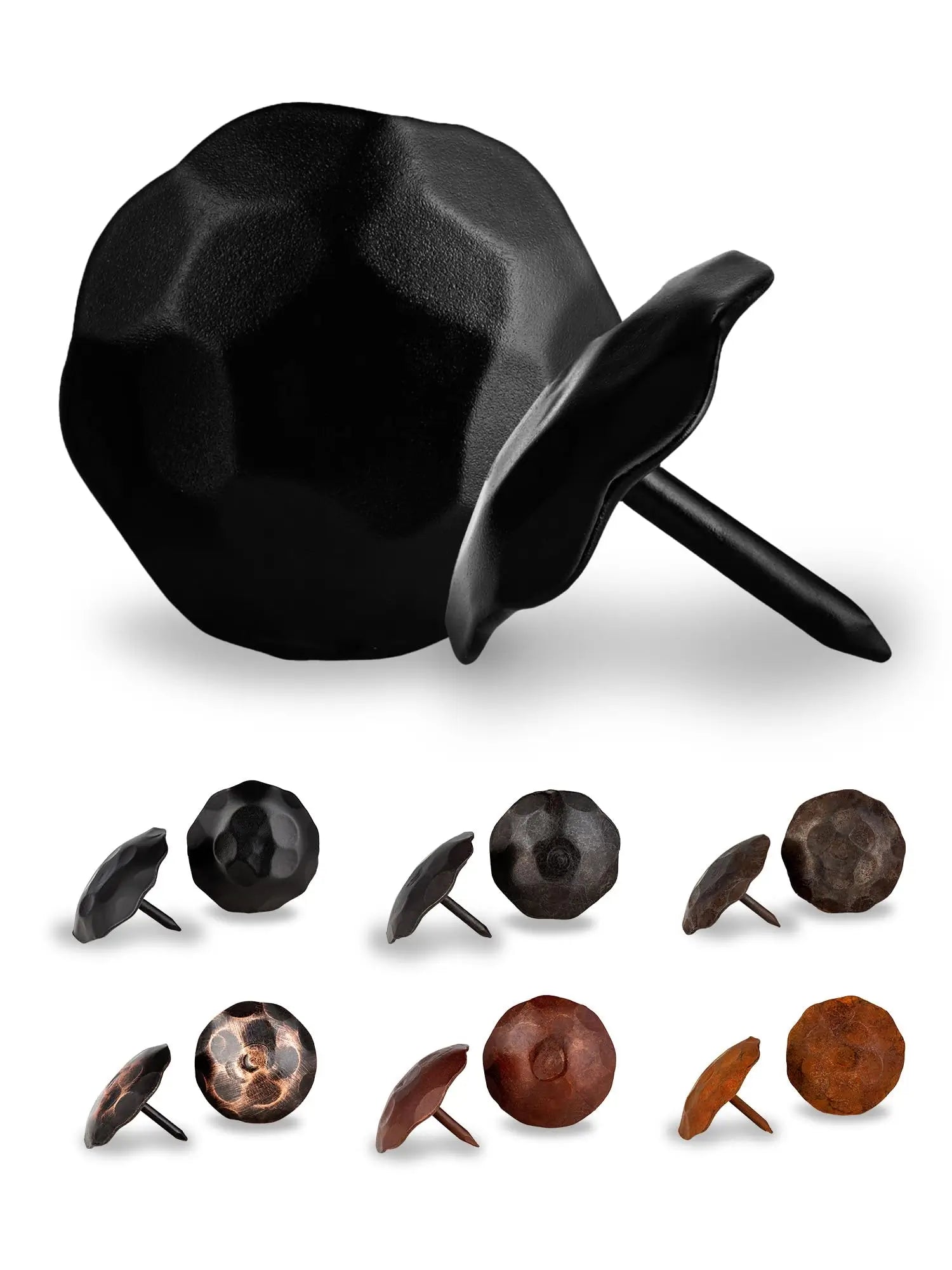
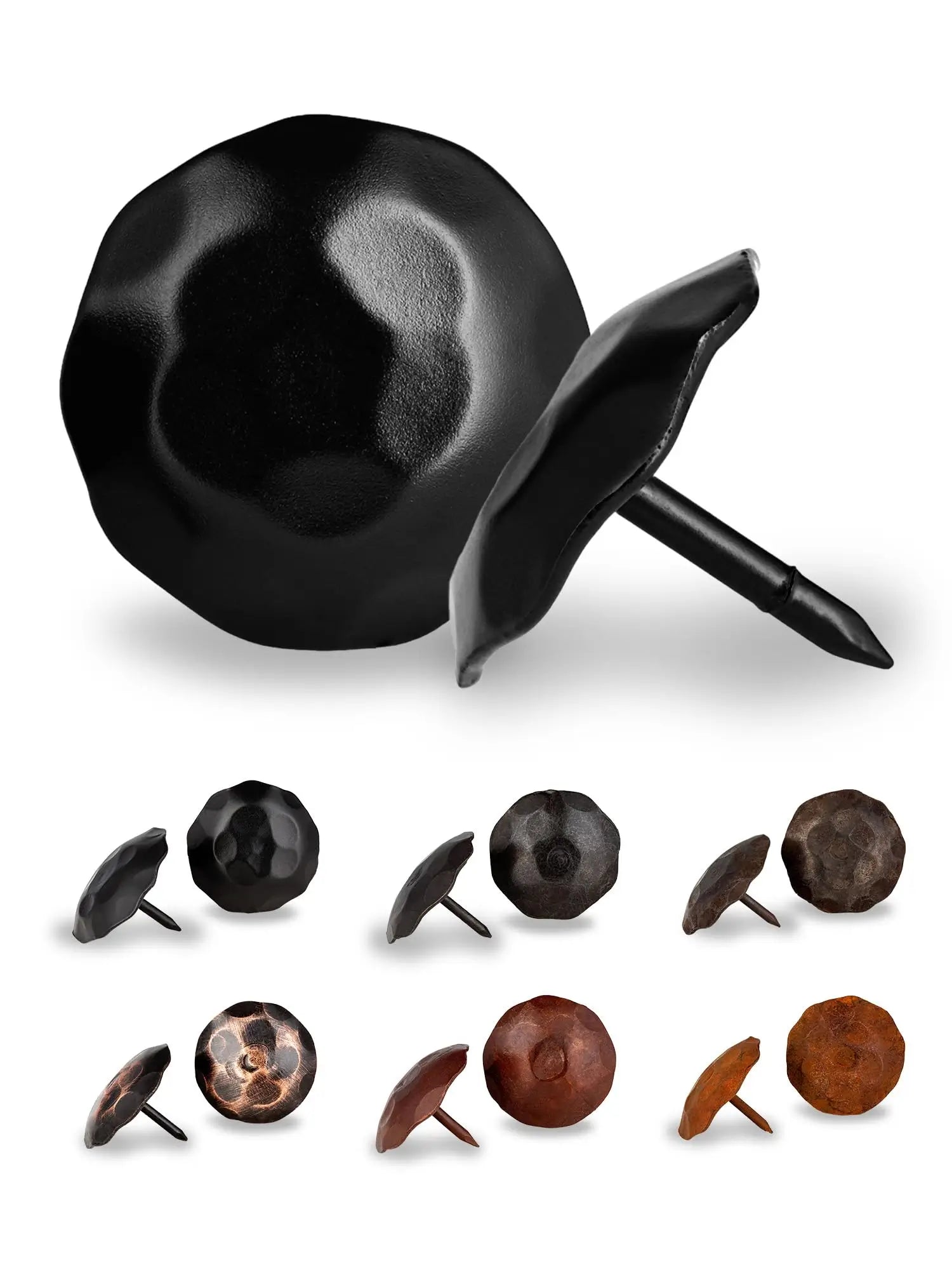
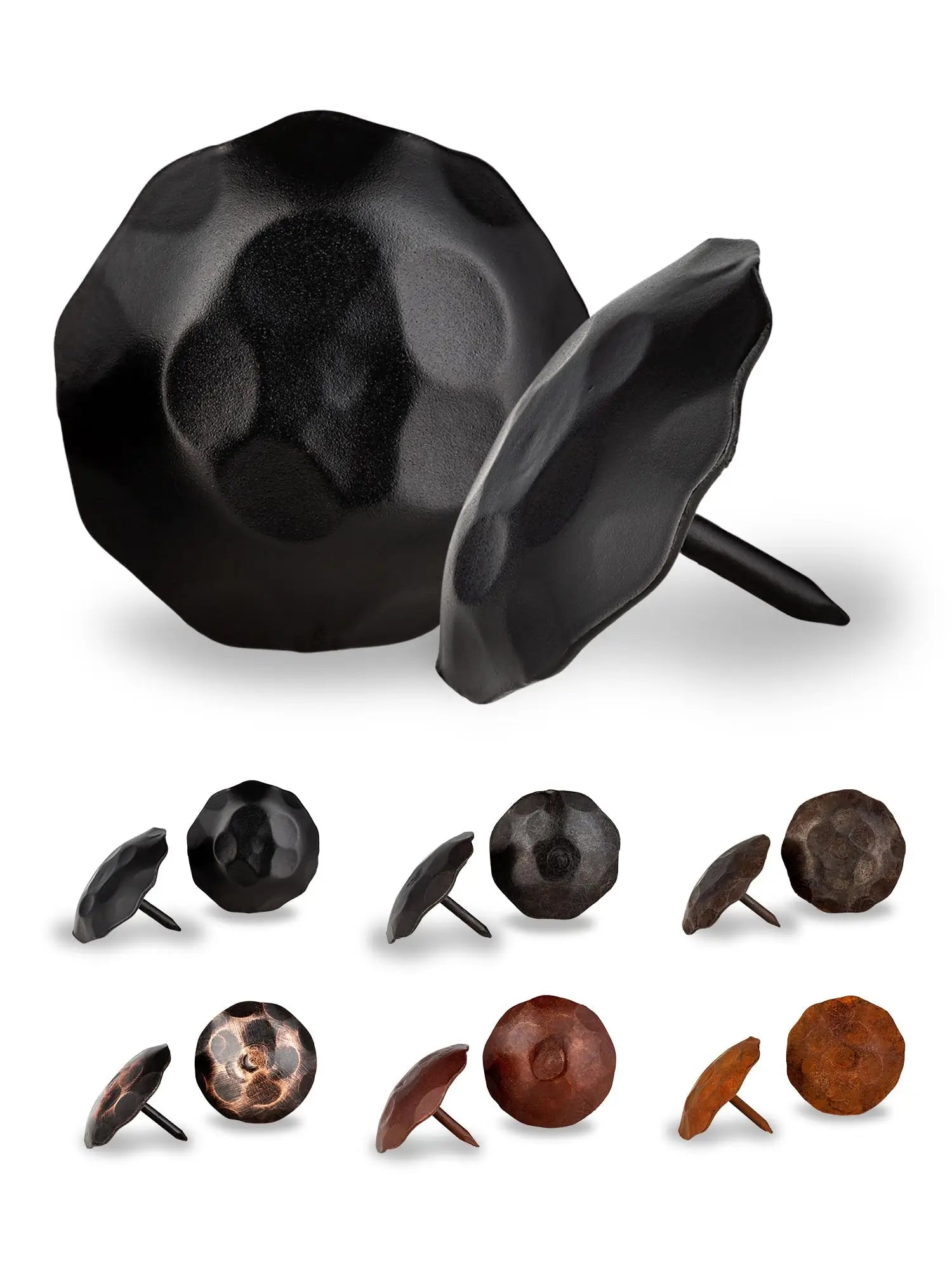
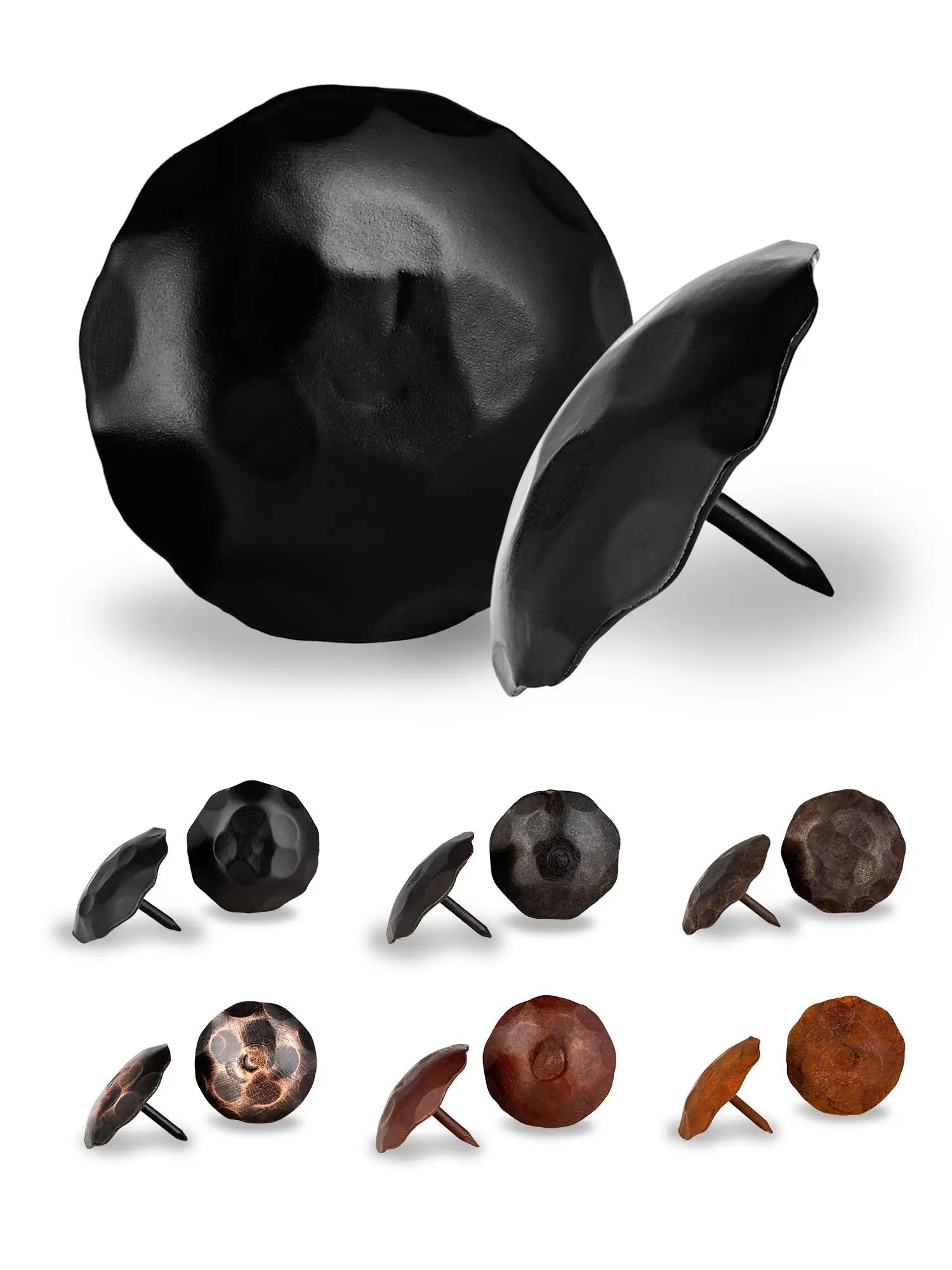


Forged iron hardware is made by heating solid metal and hammering it into shape, while cast iron is made by pouring molten metal into a mold. The difference isn't just process, forged iron typically runs 25–50% stronger than cast iron and holds up far better under impact, since forging aligns the metal's internal grain structure instead of leaving it random and brittle the way casting does.
Both materials show up in decorative hardware, and both have their place. But the two perform very differently once installed, and it's worth understanding the difference before you buy, especially for hardware that will see real daily use.
Forging starts with a solid bar or billet of iron, heated until workable, then shaped under hammer blows or pressure, either by hand or machine. This working process compresses and aligns the metal's internal grain structure along the shape of the piece, which is what gives forged iron its added strength and flexibility.
Casting works differently: iron is melted completely into a liquid, then poured into a mold shaped like the final piece. Once it cools and hardens, the mold is removed. This process is faster and cheaper for producing complex shapes, but it leaves the metal's internal structure random rather than aligned, which is why cast pieces tend to be more brittle.
Forged iron generally out-performs cast iron by a meaningful margin, industry estimates put forged parts at 25–50% stronger, with significantly better resistance to cracking or shattering under impact. Cast iron can hold up fine under steady, predictable loads, but it's more prone to sudden failure if struck hard or stressed unevenly, since it lacks the aligned grain structure that lets forged metal flex slightly before it breaks.
For hardware that takes daily wear, gate hinges, latches, straps on heavy doors, that difference in impact resistance is the main practical reason forged iron is preferred for functional pieces, not just decorative ones.
This distinction becomes especially important in climates with major temperature swings. Repeated expansion and contraction stresses metal over time, and forged iron's more uniform internal structure handles that cycling better than cast iron's more random grain pattern, which is part of why forged hardware tends to hold up longer in exposed, weather-heavy locations.
Forged iron typically shows the subtle, slightly irregular texture of hand-hammering, no two pieces are ever perfectly identical, which is part of the appeal for anyone after an authentic, old-world look. Cast iron can be finished smoother and more uniform, since it's shaped by a mold rather than hand tools, which suits some styles better than others depending on the look you're going for.
Neither look is objectively better, it comes down to whether you want the handmade variation of forged iron or the more consistent uniformity of cast pieces.
For hardware that swings, latches, or takes regular hand contact, hinges, gate latches, handles, forged iron is the more durable long-term choice. For purely decorative accents that see little to no physical stress, house numbers, wall-mounted plaques, some corner brackets, cast iron can be a perfectly reasonable and more affordable option.
It's also worth asking directly rather than assuming. Some sellers use "forged" loosely in marketing copy even when a piece is actually cast, since the two terms sound similarly premium to an unfamiliar buyer. If material construction genuinely matters for your project, ask the seller to confirm the specific manufacturing process rather than relying on the word "forged" appearing somewhere in the listing.
If you're deciding on hinges specifically, our strap hinge buying guide covers sizing and installation in more detail once you've settled on material.
Is forged iron more expensive than cast iron?
Generally yes, since forging is a more labor-intensive process. The added cost typically reflects genuinely higher strength and durability, not just marketing.
Can cast iron hardware be used outdoors?
Yes, with an appropriate rust-resistant finish. Cast iron holds up fine to weather exposure, its main weakness is impact resistance, not corrosion resistance.
Is all of Borderland's hardware hand-forged?
Our core clavos and strap lines are hand-forged solid iron. If material construction matters for a specific piece you're considering, check the individual product listing or contact us to confirm.
Which is better for a gate hinge that gets heavy daily use?
Forged iron is the stronger choice for anything under repeated mechanical stress, like a gate hinge or latch that moves daily.
Our core hardware lines are hand-forged solid iron, built for daily use, not just display. Browse our full hardware collection to see the difference for yourself.


