Cart
0
You may also like
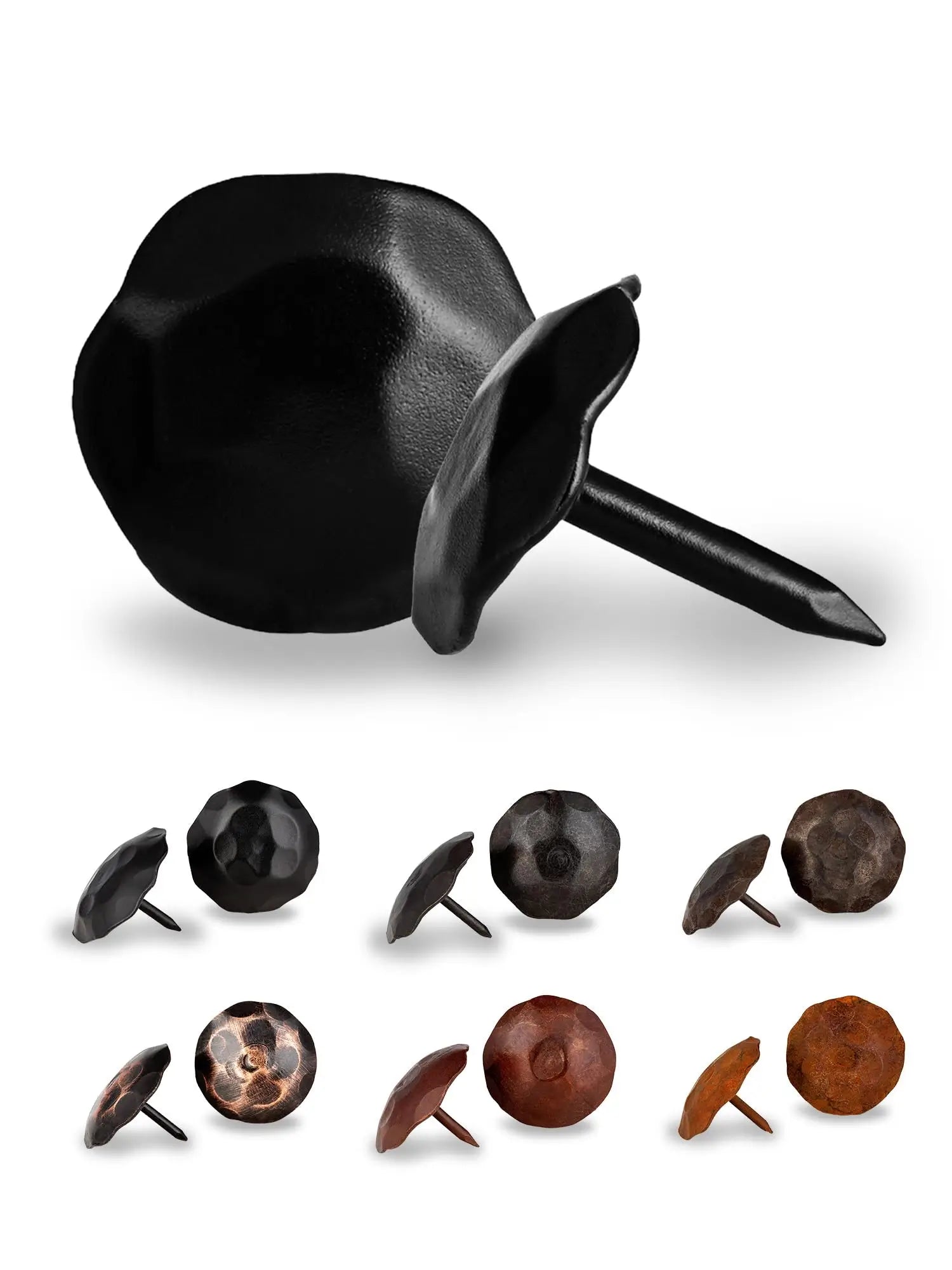
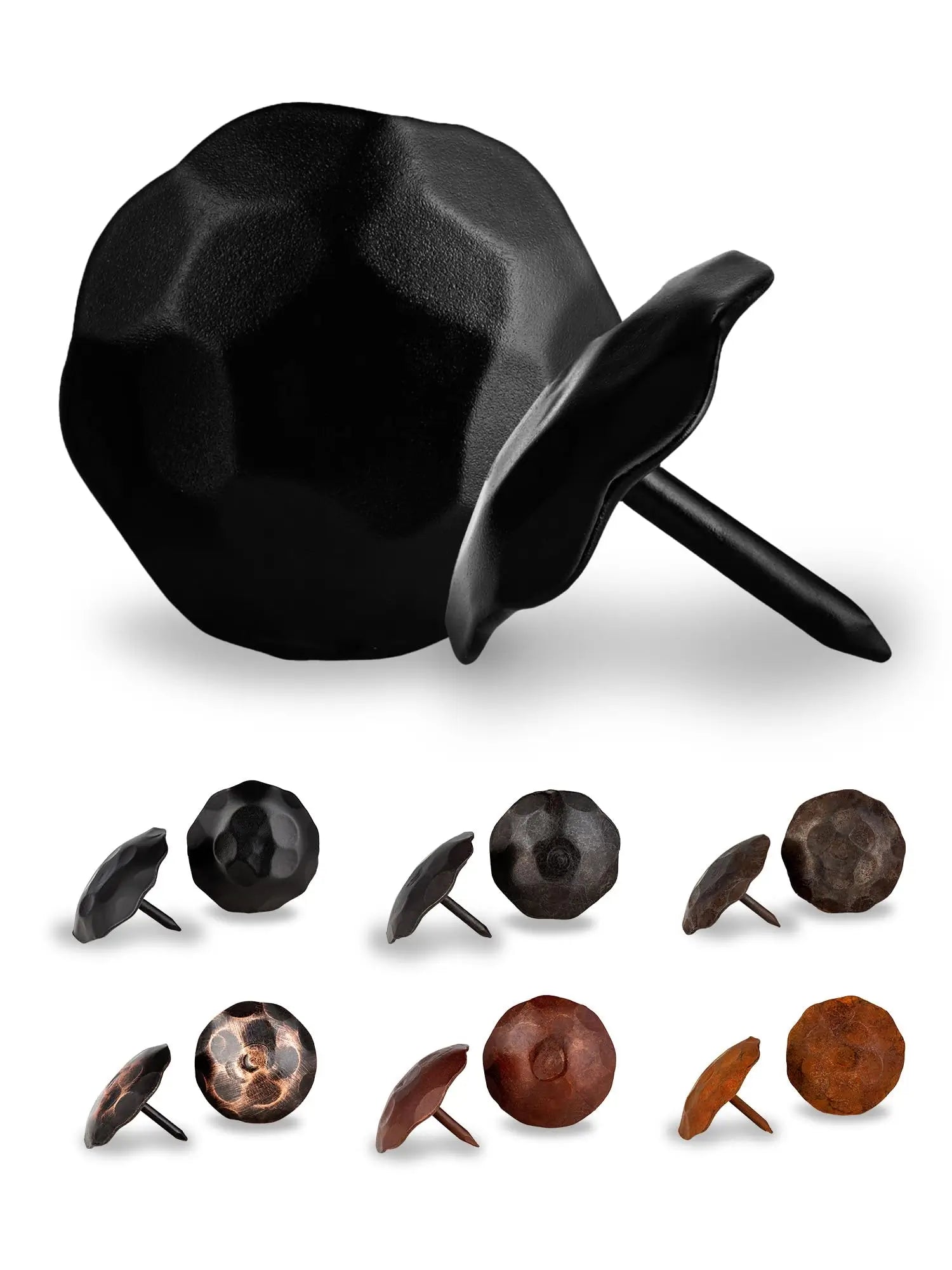
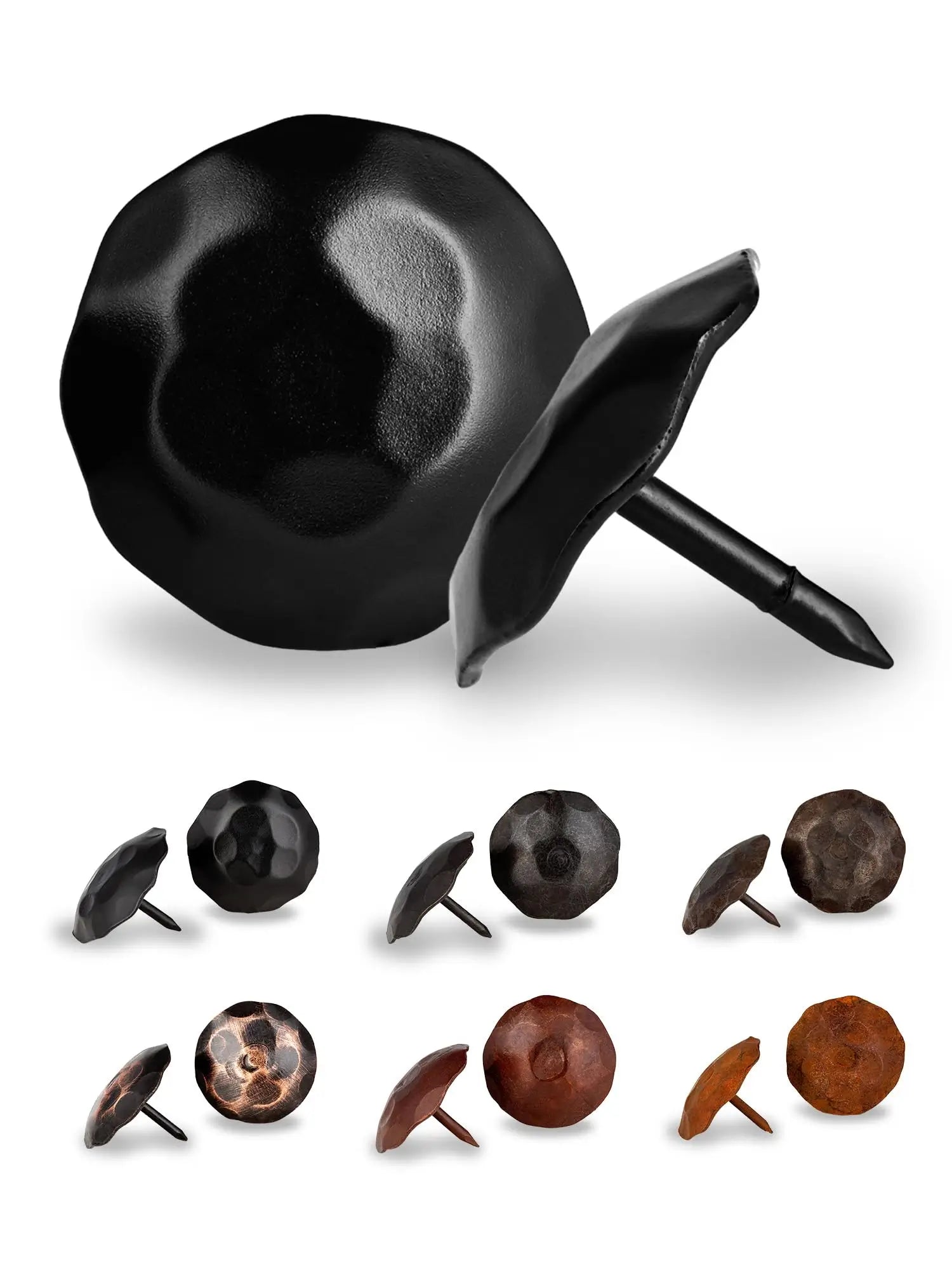
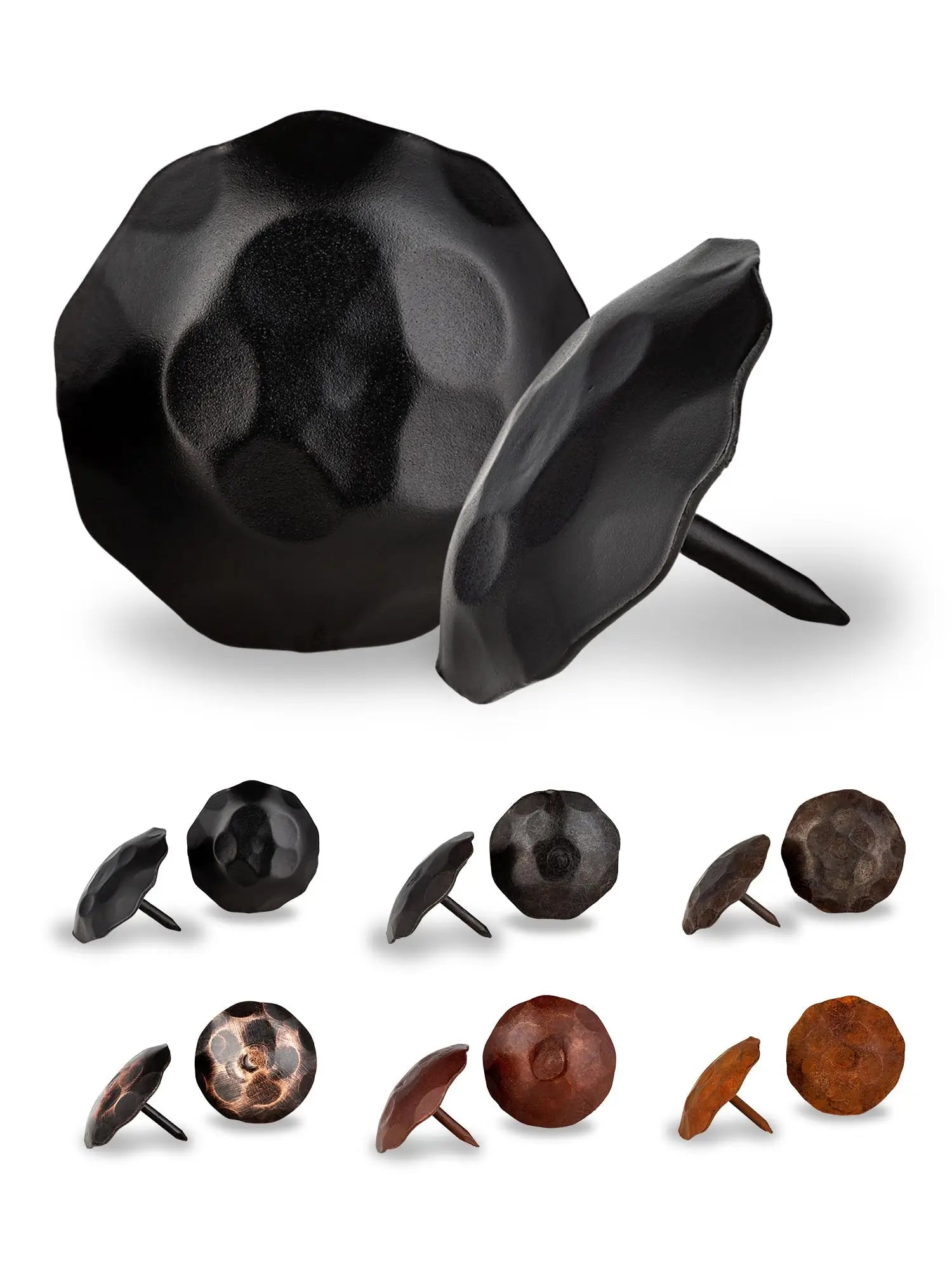
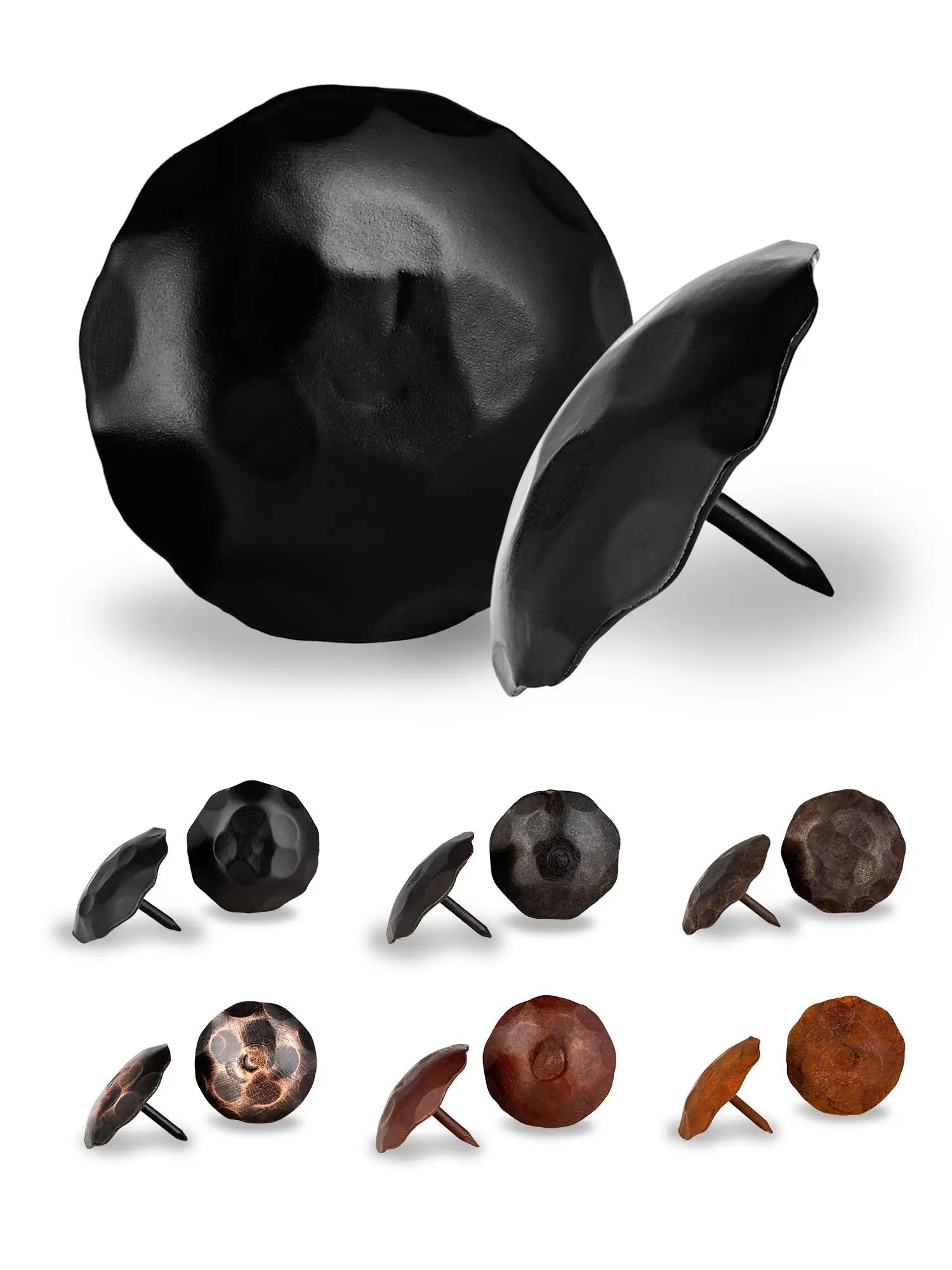


Hand-forged iron hardware needs a simple cleaning every 3–6 months, mild soap and water, dried thoroughly, plus a yearly check for any wear in the protective coating. That's genuinely most of what's required for interior hardware. Exterior pieces exposed to real weather need a bit more attention, mainly regular inspection for coating wear and prompt touch-ups before small issues become rust problems.
Iron hardware is built to last for decades, but "built to last" still assumes some basic care along the way. None of it is complicated, and a few minutes a few times a year is enough to keep hand-forged pieces looking the way they did on day one.
The good news is that maintenance needs scale with exposure, not with how much hardware you own. A whole kitchen's worth of interior hinges and pulls takes barely more effort to maintain than a single piece, since most of the time is spent on the process itself, not the quantity of hardware being cleaned.
For most interior hardware, hinges, pulls, clavos, corner straps, wipe down every few months with a soft cloth and mild soap and water. Avoid harsh chemical cleaners, bleach, or ammonia-based products, which can strip protective coatings and cause discoloration over time. Dry hardware completely after cleaning, since trapped moisture is one of the most common causes of early rust, especially in tight crevices around screws and mounting points.
Exterior hardware, gate hinges, latches, barn door hardware, benefits from cleaning every 1–2 months if it's exposed to rain, snow, or high humidity, since dirt and moisture buildup accelerates corrosion more outdoors than indoors.
Finishes like Black and Sealed Rusted come with a protective coating built in, and the single most important maintenance habit is checking that coating for scratches or wear once or twice a year, particularly in high-contact areas like handles and latches. If you're not sure which finish you're working with, our hardware finishes guide covers what each finish looks like and how it's meant to age.
If you spot a scratch or worn area exposing bare metal, a small touch-up with a matching rust-resistant paint or sealant prevents the issue from spreading. Left untreated, even a small scratch can become a larger rust spot within a season of outdoor exposure.
Unfinished iron and natural finishes require more attention than coated finishes, since they don't have a built-in rust barrier. For indoor pieces, occasional dusting is often enough. For any unfinished piece used outdoors or in a humid space, applying a clear metal sealant or a light coat of oil helps slow oxidation without changing the raw appearance of the piece.
Spring: inspect exterior hardware for any rust or coating damage after winter weather, clean and touch up as needed.
Summer: check that no plants or vegetation are growing against gate or fence hardware, which traps moisture against the metal.
Fall: clear fallen leaves and debris from around exterior hardware before they trap moisture through winter.
Winter: for pieces in snow-prone climates, a light protective coat before the season starts helps guard against salt and moisture exposure.
Beyond finish care, hinges, latches, and slide bolts benefit from an occasional check for loose screws or stiff movement. Tighten any hardware that's worked loose from regular use, and if a hinge or latch starts feeling stiff, a small amount of general-purpose lubricant on the pivot point usually resolves it. Catching a loose screw or a sticking latch early is a five-minute fix; ignored long enough, the same issue can wear a mounting hole enough to need re-drilling.
How often should I clean hand-forged iron hardware?
Every 3–6 months for interior hardware is generally sufficient. Exterior hardware exposed to weather benefits from cleaning every 1–2 months.
Can I use any household cleaner on my hardware?
Stick to mild soap and water. Harsh chemicals like bleach or ammonia can strip protective coatings and cause discoloration.
What should I do if I see a rust spot?
Address it promptly with a matching touch-up paint or sealant before it spreads. Small, early touch-ups are far easier than restoring a piece that's rusted extensively.
Does unfinished iron need more maintenance than coated finishes?
Yes. Without a built-in protective coating, unfinished iron benefits from an occasional sealant or light oil application, especially for pieces used outdoors.
Every piece we make is hand-forged solid iron, designed to hold up for decades with the basic care outlined here. Browse our full hardware collection to find pieces built to last.


