Cart
0
You may also like
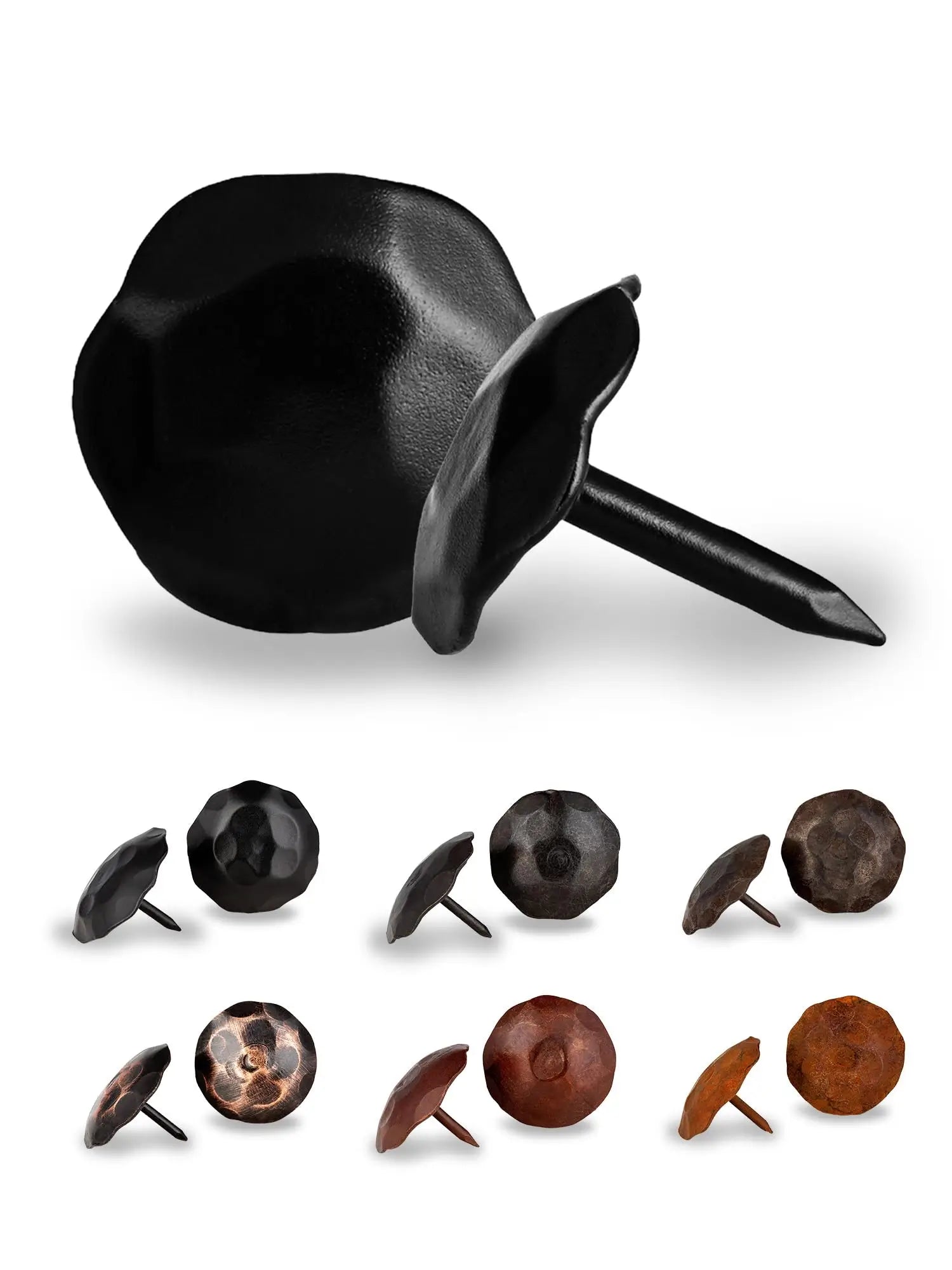
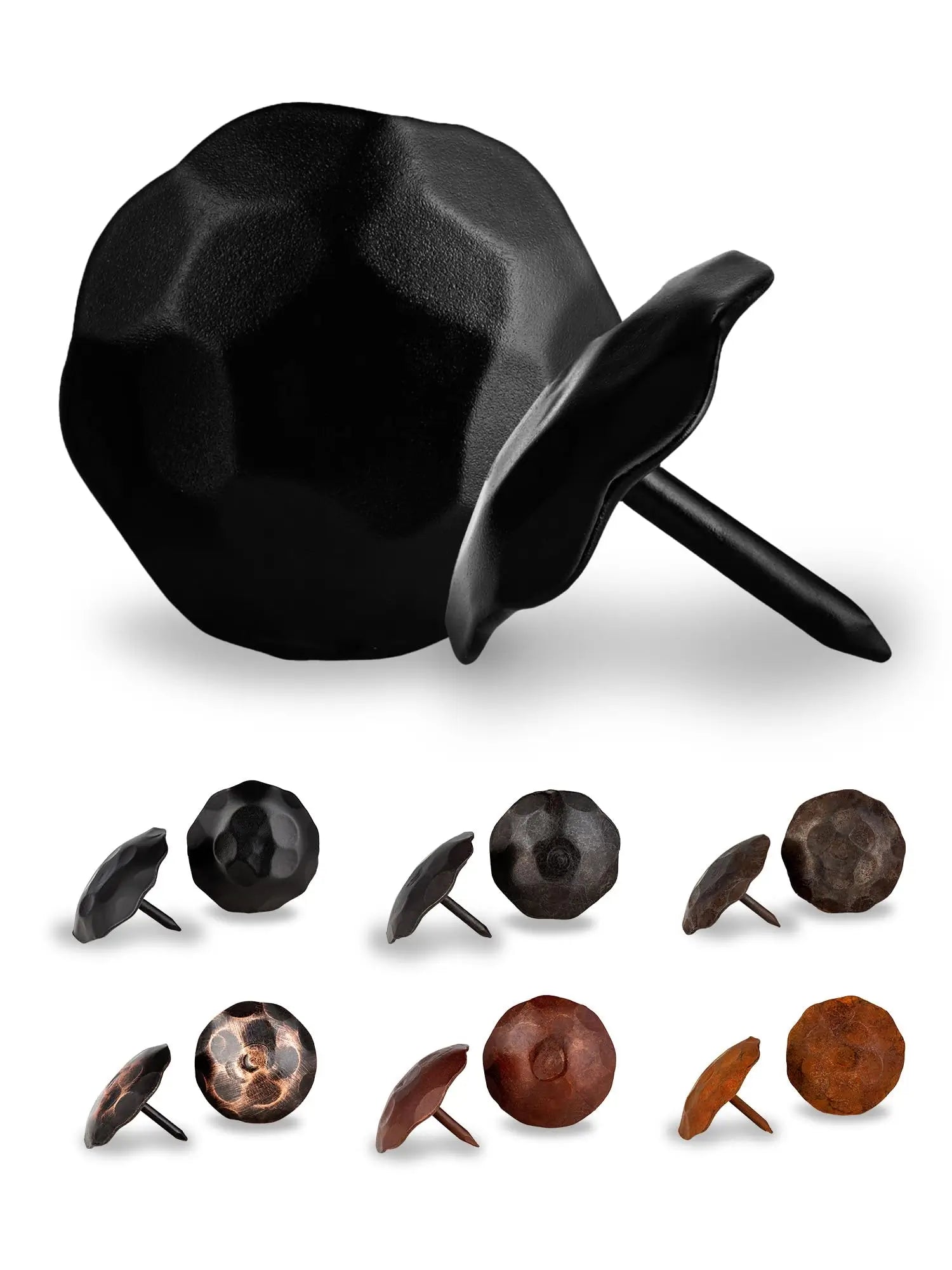
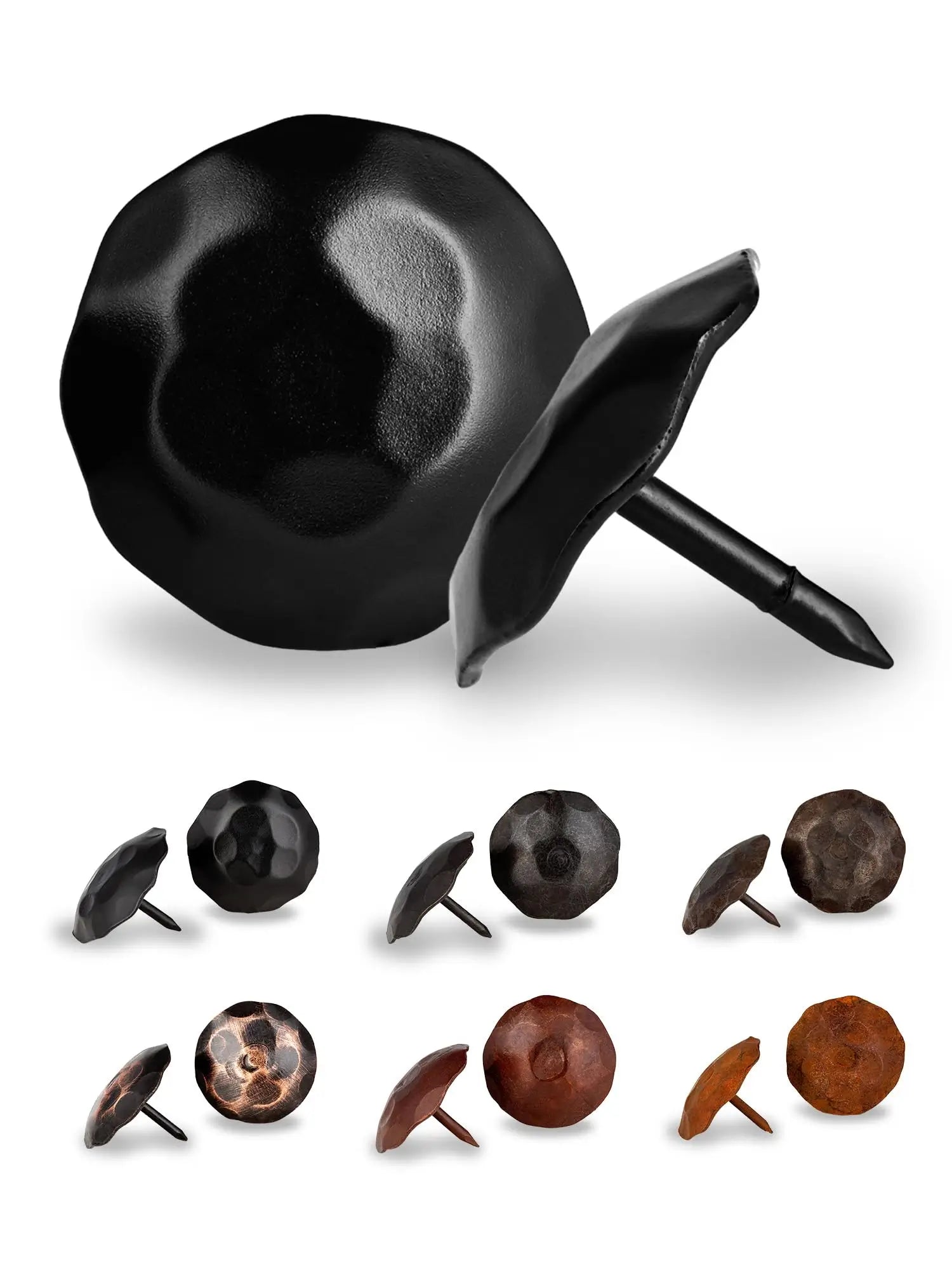
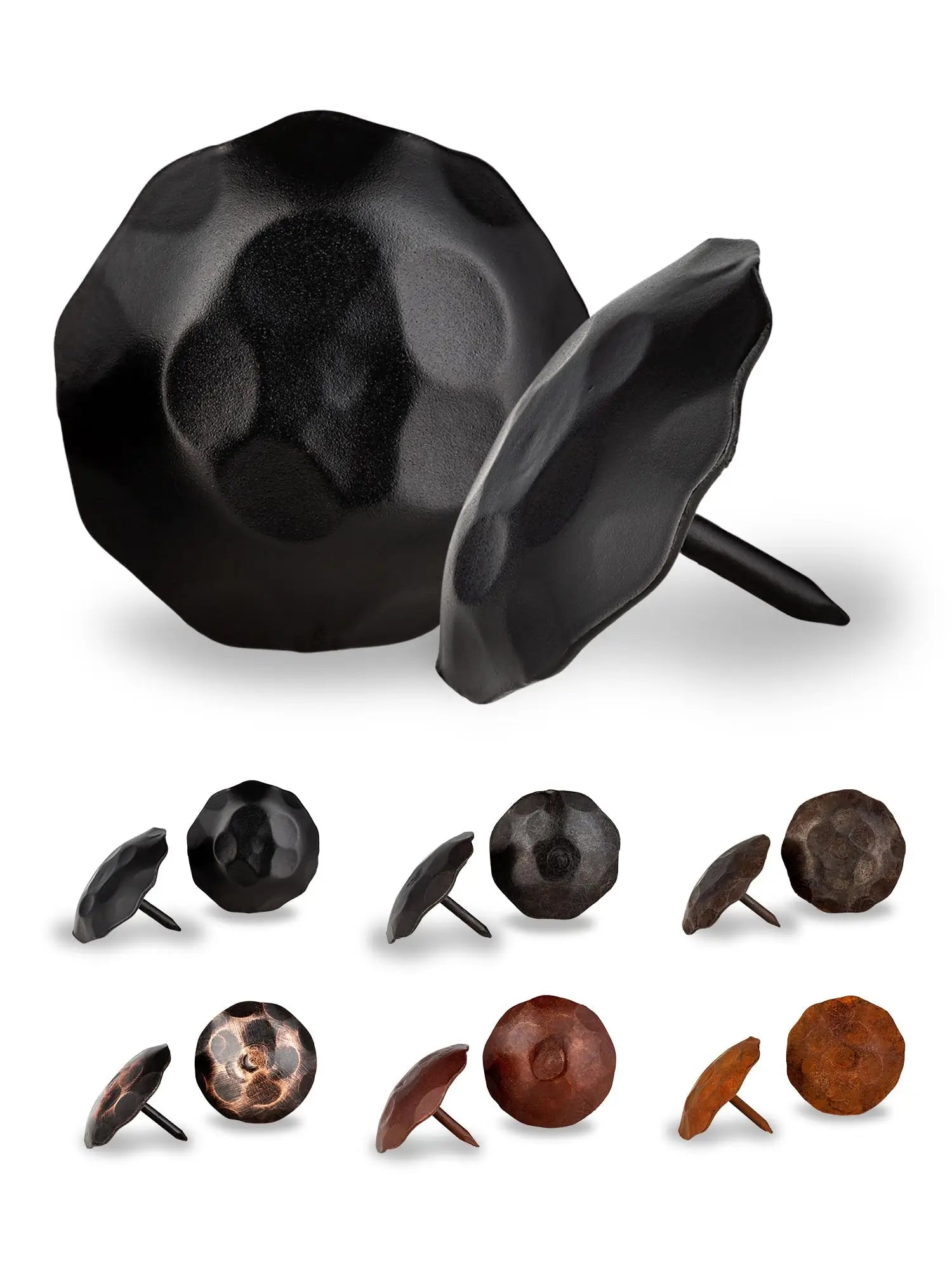


If you've ever looked at a plain barn door or a builder-grade gate and felt like something was missing, it's usually this: hardware. A strap hinge is one of the few upgrades that changes the entire character of a door in an afternoon, and antique strap hinges in particular do something a modern hinge can't, they look like they were always supposed to be there.
This guide covers everything you need to actually buy and install antique strap hinges with confidence: how to size them, what finish to choose, the difference between a working strap hinge and a decorative one, and how to mount them so they look right the first time.
An antique strap hinge is a long, flat hinge plate, typically shaped like a strap, spear, or butterfly, that's hand-forged to look hand-hammered and aged, rather than stamped out of sheet metal. Unlike a standard butt hinge, which is hidden inside the door frame, a strap hinge is meant to be seen. It runs across the face of the door or gate, which is exactly why it has such a strong visual impact for the size of the upgrade.
Antique strap hinges are most associated with barn doors, farmhouse gates, and rustic furniture, anywhere the hardware itself is part of the design, not just a functional afterthought.
This is the single most important thing to figure out before you order: do you need a working hinge or a decorative accent?
Strap hinges are functional hardware. They actually pivot and carry the weight of a door or gate.
Faux hinge straps (sometimes searched as "dummy strap hinges") look identical from the front but don't pivot, they're decorative plates designed to be mounted on a door that already swings on separate, hidden hinges, purely for the look of a strap hinge.
If you're hanging a new barn door or gate from scratch, you want real strap hinges. If you already have a functioning door and just want the antique strap-hinge look, faux hinge straps are the right (and usually less expensive) choice. Borderland Rustic Hardware carries both as separate collections specifically because this mix-up is so common.
Strap hinge length is measured along the strap itself, not the pivot barrel, and the right size depends entirely on what's swinging:
|
Project Type |
Typical Strap Hinge Length |
|---|---|
|
Cabinet doors, small chests, jewelry boxes |
2"–4" |
|
Furniture doors, small gates, garden gates |
4"–5.5" |
|
Standard interior or barn doors |
7"–11" |
|
Heavy barn doors, large gates, carriage doors |
11"–14.5"+ |
As a rule of thumb: the heavier and taller the door, the longer (and usually thicker) the strap hinge needs to be, since a longer strap distributes the door's weight across more of the surface instead of concentrating stress at one pivot point. For most standard barn doors, a hinge in the 7"–11" range paired with a second hinge near the top and bottom of the door is the most common setup.
Borderland's Farmhouse Series alone spans this entire range, from a 2" butterfly hinge strap up to an 11" strap, which makes it easy to size up or down within one consistent style family rather than mixing finishes across brands.
Not all strap hinges look the same, and the shape you choose says a lot about the overall style of the project:
Straight strap hinges: the classic, simple rectangular strap. Versatile and works with almost any rustic or farmhouse look.
Butterfly hinge straps: a wider, wing-shaped plate. A common farmhouse and cottage-style choice, and slightly more decorative than a straight strap.
Spear-end hinge straps: a strap with a pointed, arrow-like tip. Reads more old-world or Western, and pairs well with gate hardware and barn doors.
If you're not sure which shape fits your project, look at the rest of the hardware on the piece, door pulls, latches, corner brackets and match the general "feel" (simple and clean vs. ornate and pointed) rather than the literal shape.
A genuinely antique-looking strap hinge depends as much on finish as on shape. Hand-forged strap hinges are typically available in a black finish (often with a rust-resistant or zinc-undercoated coating for outdoor durability), along with rusted, sealed-rusted, and oil-rubbed bronze options for a more weathered or warm look. For exterior gates and barn doors exposed to weather, a rust-resistant black finish is usually the most practical long-term choice; for interior furniture, a rusted or oil-rubbed bronze finish often reads as more authentically "antique" since it already has the patina built in.
Installing a strap hinge is straightforward, but a little planning up front makes the difference between a hinge that looks intentional and one that looks like an afterthought.
Plan your hinge placement first. For a standard door or gate, place hinges roughly 6"–10" from the top and bottom edges, with any additional hinges spaced evenly between them.
Hold the hinge in place and mark your screw holes. Use a level to make sure the strap sits perfectly horizontal (or vertical, depending on the hinge style) before marking.
Pre-drill pilot holes at each marked point, this prevents the wood from splitting and keeps your screws going in straight.
Mount the hinge strap to the door or gate first, then attach the pivot side to the frame or post.
Check the swing before fully tightening every screw. It's much easier to adjust hinge position now than after everything is torqued down.
Add your latch hardware last. A strap hinge handles the swing; you'll still need separate latch hardware to keep the door or gate closed, see the note below on hinge-and-latch pairing.
A strap hinge only does half the job. Most gates and barn doors need both a hinge and a latch: the hinge lets the door swing, and the latch keeps it secure once it's closed. If you're upgrading a gate specifically, look for decorative gate hinges and a matching latch, a bar latch, slide latch, or two-way latch, in the same finish as your strap hinges, so the whole gate reads as one coordinated piece of hardware rather than mismatched parts.
How many strap hinges does a barn door need? Most barn doors use two hinges, one near the top, one near the bottom, though taller or heavier doors sometimes use a third hinge in the middle for extra support.
Can I use strap hinges on an interior door? Yes. Strap hinges are most associated with barn doors and gates, but a shorter strap hinge (in the 4"–7" range) works well on interior cabinet doors, closet doors, and furniture for the same antique look at a smaller scale.
Do antique strap hinges work outdoors? Yes, as long as you choose a finish with rust-resistant coating. A black finish with a rust-resistant or zinc-undercoated treatment is the most common choice for gates and exterior barn doors.
What's the difference between a strap hinge and a T-hinge? A strap hinge is a single long plate on each side of the pivot. A T-hinge has one long strap and one short, T-shaped plate, commonly used when one side of the door frame doesn't have room for a full second strap.
Are faux hinge straps as durable as real strap hinges? Faux hinge straps are built to the same hand-forged standard as functional strap hinges, they're just not load-bearing, since they're decorative only and mounted on a door that already swings on hidden hinges.
Every strap hinge and faux hinge strap we make is hand-forged solid iron. Browse our full collection of hinge straps to find the right size and style for your project.


