Cart
0
You may also like
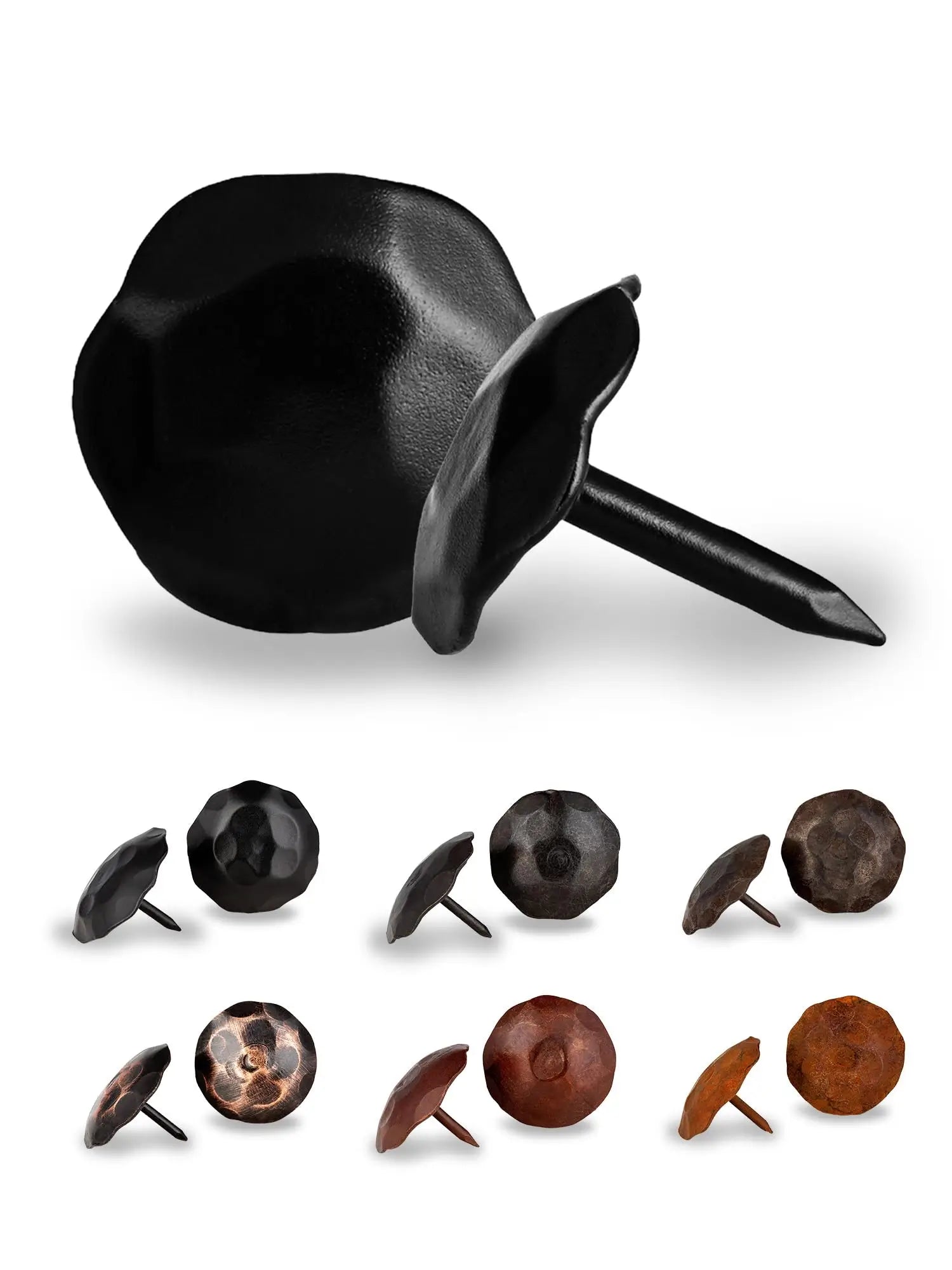
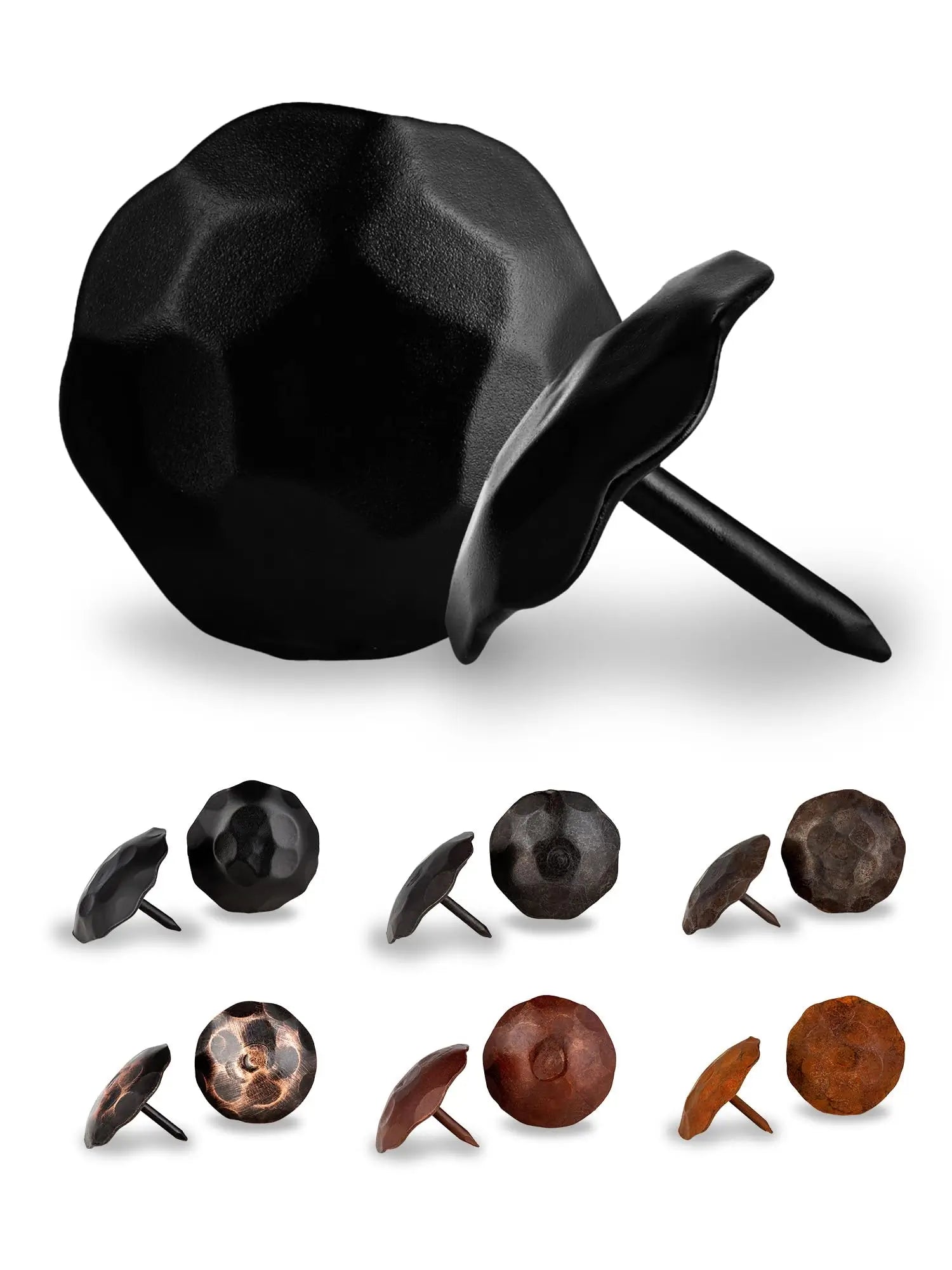
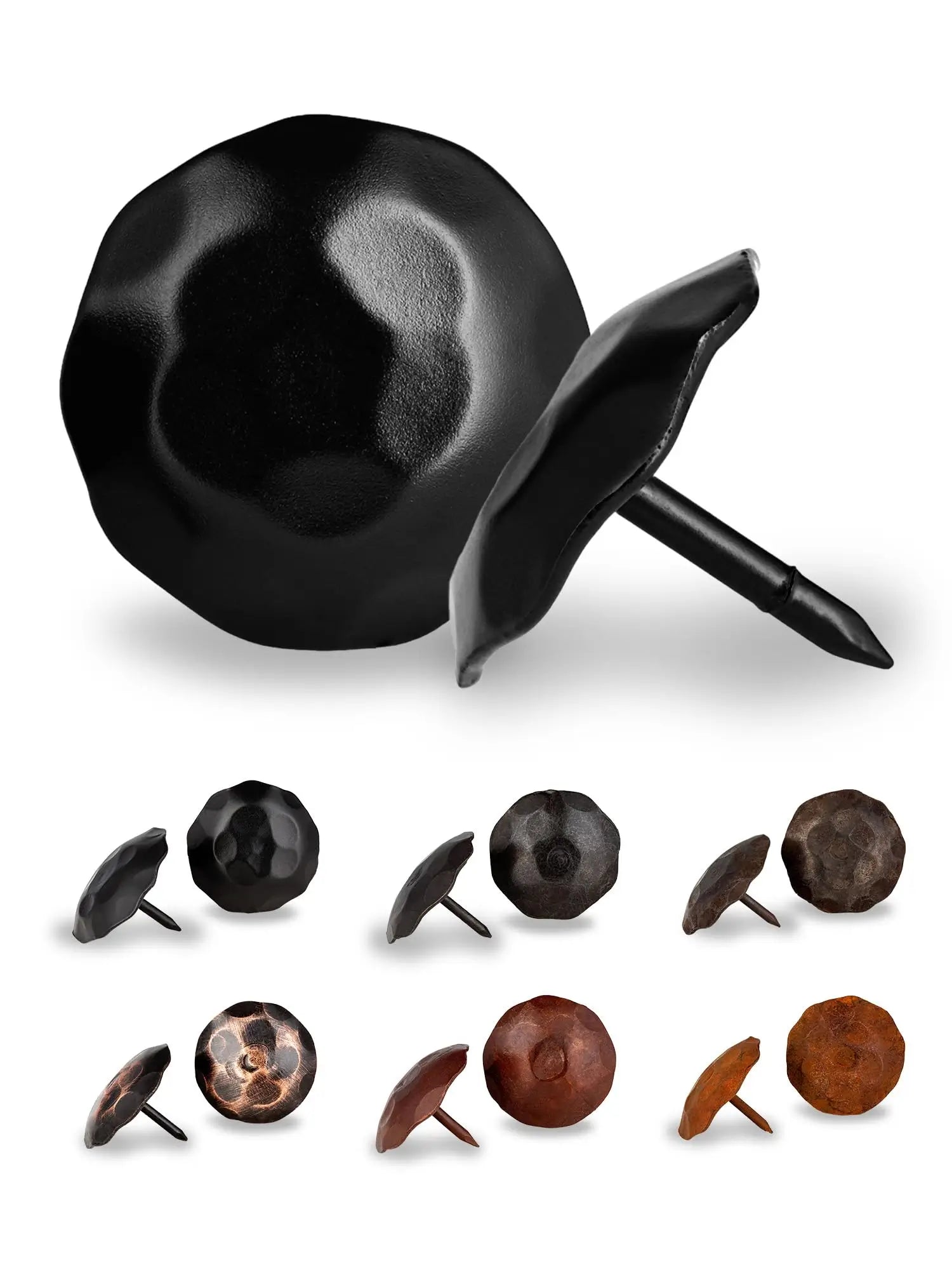
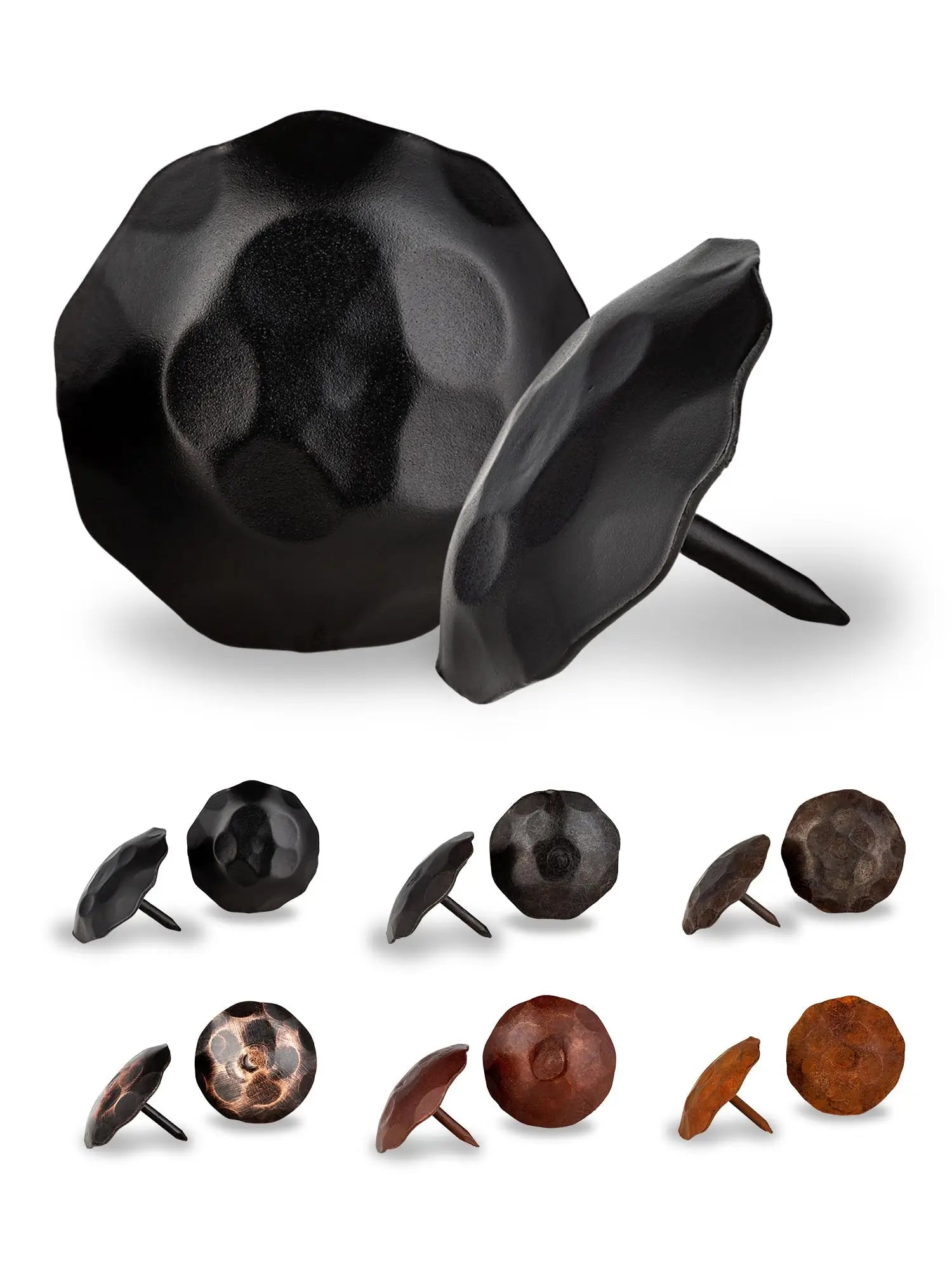


"Corner bracket" sounds like one product, but it actually covers three different pieces of hardware that solve three different problems. If you've ever searched for decorative corner brackets and ended up confused about whether you need a T-strap, an L-strap, or a corner protector, you're not alone, the names get used loosely, but the right choice depends entirely on what you're building.
This guide breaks down the difference, when to use each one, and how to size and finish them so they actually match the rest of your project.
A T-strap is shaped exactly like its name, a long strap with a perpendicular crossbar at one end, forming a "T." It's typically mounted across a door or gate panel, with the long arm running horizontally and the crossbar reinforcing the mounting point near the hinge or frame.
T-straps do double duty: they reinforce a joint structurally while also reading as a strong decorative accent, the same way a strap hinge does. In Borderland's lineup, T-straps run from 7" up to a substantial 16.25" (Durango Series), which tells you something useful, T-straps scale with the size of the door or gate, not with furniture-scale projects. If you're working on anything larger than a cabinet door, a T-strap is usually the right family to look in.
Use a T-strap when: you're decorating or reinforcing a barn door, gate, or larger panel door, especially near a hinge point.
An L-strap is a flat bracket bent at a 90-degree angle, designed to sit across two flat surfaces that meet at a corner, like the corner of a door panel, a shelf, or a flat furniture face. Unlike a corner protector (below), an L-strap stays flat against the surface rather than wrapping around a physical edge, which makes it the better choice when you're adding a decorative accent to a flat joint rather than protecting an actual corner edge.
L-straps are the most flexible of the three in terms of project type, they work equally well as a subtle reinforcement on a cabinet door or as a bold, visible accent on a rustic table or bench.
Use an L-strap when: you want a decorative metal strap across a flat corner joint, doors, shelving, tabletops, and flat furniture panels.
A corner protector (sometimes called a corner guard) is built differently from the other two, instead of sitting flat against one or two surfaces, it wraps around an actual three-dimensional corner edge, like the corner of a chest, trunk, or box. This is genuinely protective hardware: it shields the most vulnerable part of any box-shaped piece, the corner, from chips, dents, and wear, while doubling as a decorative accent.
Borderland's Corner Protector Straps run smaller than T-straps, from 1.75" up to around 6", which makes sense once you think about what they're for: they're sized to wrap a corner edge, not span a door panel. This is your go-to category for chest hardware, trunk corners, and toy box or blanket box builds where the corners take the most abuse.
Use a corner protector when: you're building or restoring a chest, trunk, or any box-shaped piece and want to protect (and decorate) the actual corner edges.
|
If you're working on... |
Use this |
|---|---|
|
A barn door, gate, or large panel door |
T-Strap |
|
A flat corner joint on furniture, shelving, or a tabletop |
L-Strap |
|
A chest, trunk, or box-shaped piece (protecting the edges) |
Corner Protector |
As a general rule, size up with the size of the piece:
Small furniture accents and chest corners: 1.75"–3.5"
Cabinet doors and mid-size furniture: 3.5"–6"
Gates and standard doors: 7"–11"
Large barn doors and oversized gates: 11"+
If you're mixing brackets and straps on the same project, say, T-straps near the hinges and corner protectors on the trunk lid, it's worth choosing one series (like Colonial, Byzantium, or Durango) across the whole piece, since the style and texture will carry through consistently rather than looking like mismatched parts.
All three bracket types are available in the same finish range, typically black with a rust-resistant coating, along with rusted, sealed, and oil-rubbed bronze options, so matching finish across T-straps, L-straps, and corner protectors on a single project is straightforward. If your project mixes hardware types, matching the finish matters more than matching the exact series; a black T-strap and a black corner protector from different series will still look intentional together, while mismatched finishes rarely do.
For a deeper dive into sizing L-straps and corner straps specifically, see our sizing guide.
Can I use a corner protector instead of an L-strap on a flat surface? You can, but it's not ideal, corner protectors are shaped to wrap an actual edge, so they won't sit flush against a single flat surface the way an L-strap will.
Do T-straps replace a strap hinge? Not exactly. A T-strap is primarily decorative/reinforcing, while a strap hinge is built to carry the swinging weight of a door. Many gate and barn door projects use both together.
What size corner protector do I need for a standard trunk? Most trunks and chests use corner protectors in the 1.75"–3.5" range, depending on the size of the piece and how much of the corner you want covered.
Browse T Corner Brackets, L Corner Brackets, and Corner Protector Straps to find the right fit, finish, and size for your project.


