Cart
0
You may also like


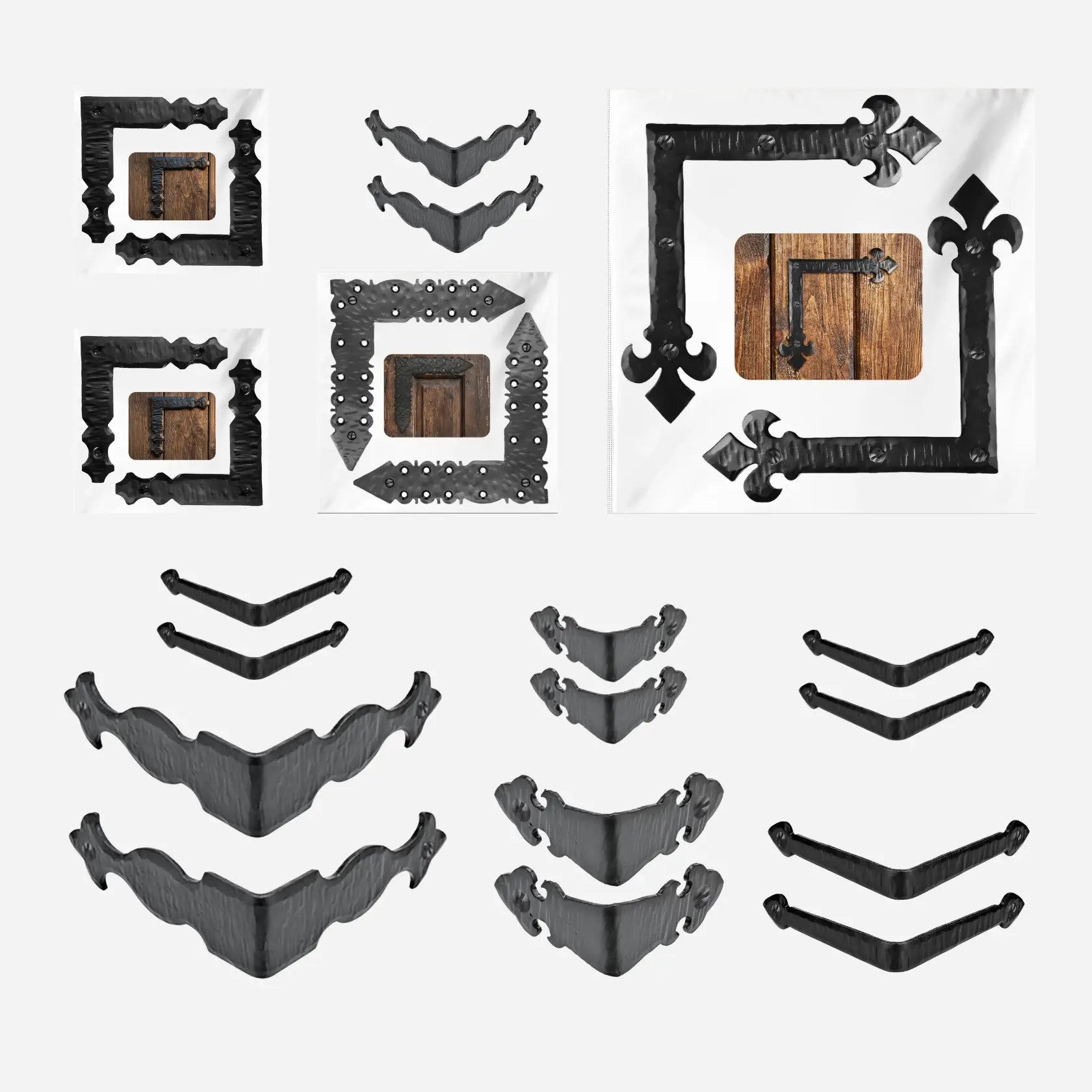
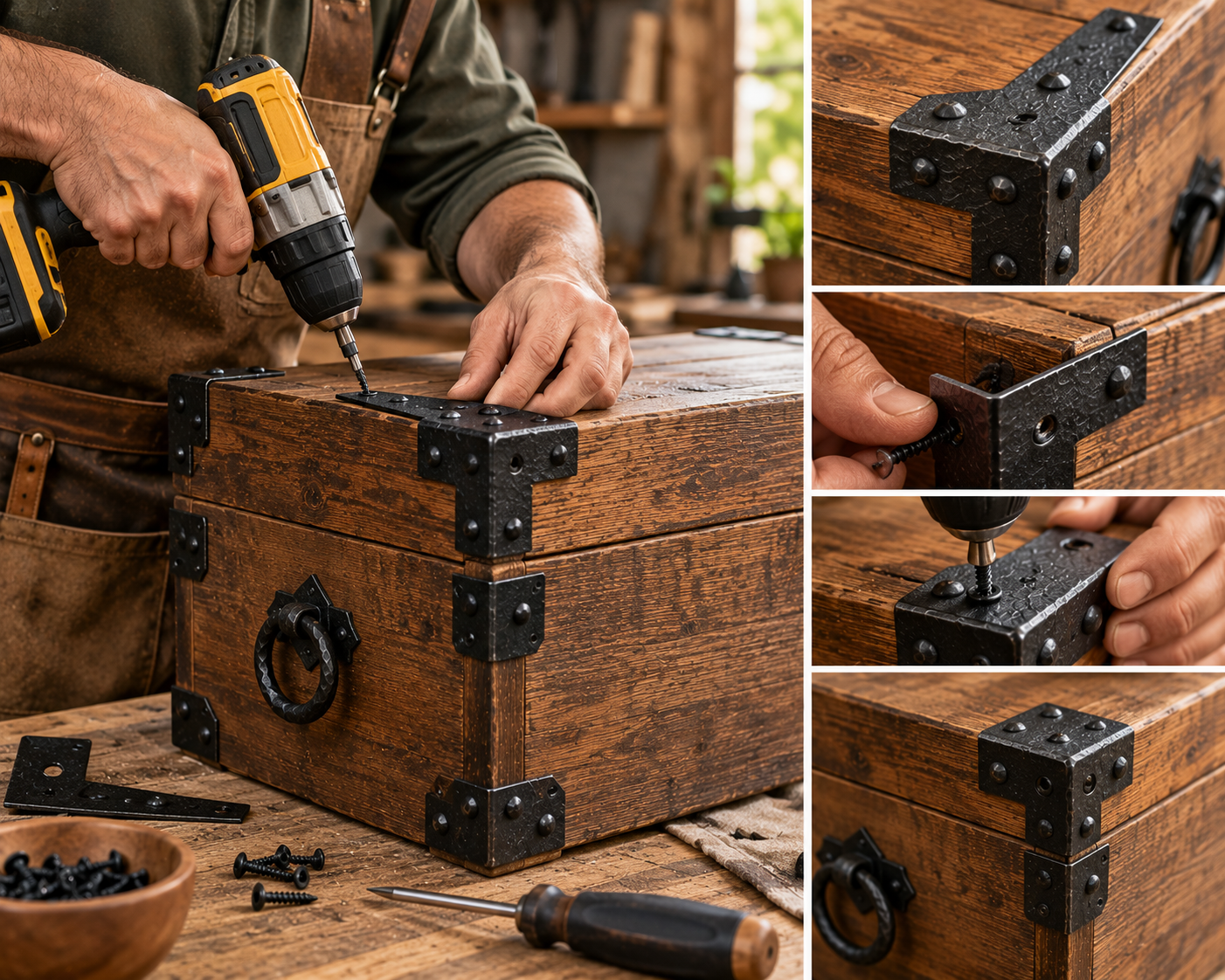
The right size L bracket or corner strap depends on one question first: is it purely decorative, or is it actually load-bearing? A decorative corner strap on a cabinet door can be small and thin, since it's not holding anything together structurally. A corner protecting a trunk edge or reinforcing a gate, on the other hand, needs to be sized to the material it's protecting, both arms of the L should extend far enough to genuinely cover and support the corner, not just visually suggest it's there. If you haven't already, it's worth reading our guide on T-strap vs. L-strap vs. corner protector first to confirm you're choosing the right shape for your project. This guide picks up from there and focuses specifically on getting the size right, once you already know which type you need.
Two measurements matter more than any others:
the length of each leg of the L, measured from the corner point outward. This should extend far enough along each surface to actually look intentional, not just brush the corner.
how wide the metal strap itself is. Wider straps read as heavier-duty and more structural; narrower straps read as more delicate and purely decorative.
For anything with a real structural job, load-bearing corners, trunk edges taking regular impact, gate reinforcement, a simple rule of thumb is to size the arm length to at least two-thirds of the surface it's protecting or reinforcing. Purely decorative applications have more flexibility, since the bracket isn't doing structural work, but consistency across a piece still matters more than any single measurement.
Material thickness is worth checking alongside length and width, though it's easy to overlook since it's rarely the first thing listed. A longer, thinner strap can actually flex under real pressure, while a shorter piece in heavier-gauge iron holds its shape. If a bracket is doing any real work, gauge matters as much as the two headline measurements.
small furniture accents, jewelry boxes, trunk corners, and cabinet doors, where a subtle decorative touch is the goal.
mid-size furniture corners, tabletop protection, and smaller gate or door reinforcement.
larger doors, gates, and barn door corners, where the hardware needs genuine structural presence, not just visual detail.
The application changes what "right-sized" actually means:
smaller, thinner straps in the 2"–4" range usually look proportional on chests, cabinets, and small furniture pieces.
corner straps here often pair with hinge straps and clavos, so match the width and finish to the rest of the door's hardware set rather than sizing it in isolation.
corner brackets used on shelving should follow the same depth-matching logic as our shelf bracket sizing guide: the bracket should support most of the shelf's depth, not just decorate the front edge.
When using multiple corner straps on the same piece, four corners of a trunk, four corners of a door panel, consistency matters more than any individual measurement. Mismatched sizes across corners of the same piece read as an error even when each individual bracket would look fine on its own. Measure once, cut a simple spacing template out of cardboard or scrap wood if needed, and use it to mark every corner identically before installing anything.
a bracket's size can be hard to judge from an image alone, since there's rarely anything in the photo for scale. Always check the listed arm length and width against your own measurements.
a thin, purely decorative corner strap on a heavily used trunk edge or gate corner will bend or fail faster than one sized and gauged for the actual load.
larger brackets sometimes have more mounting points than smaller ones. Confirm hole count and spacing before ordering if you're matching existing hardware or replacing a damaged piece.
How do I know if I need a decorative or structural corner bracket?
If the corner is actually bearing weight or absorbing impact, a gate, a shelf, a heavily used trunk, size and choose for strength. If it's purely visual, like a cabinet door accent, a thinner, smaller bracket works fine.
What's the difference between an L bracket and a corner strap?
They're often used interchangeably, but "L bracket" typically refers to a right-angle piece with equal arms, while "corner strap" can describe a broader range of shapes, including asymmetrical or decorative designs.
Can I mix bracket sizes on the same piece?
It's generally best to keep all corners on a single piece the same size and finish. Mixed sizes on visible corners of the same object tend to look unintentional rather than deliberate.
Do bigger corner brackets always mean more strength?
Generally yes, but material thickness matters just as much as arm length. A long, thin decorative strap isn't necessarily stronger than a shorter, heavier-gauge structural bracket.
Every L bracket and corner strap we make is hand-forged solid iron, available in a range of sizes for both decorative and structural use. Browse our L straps and corner straps to find the right fit.