Cart
0
You may also like
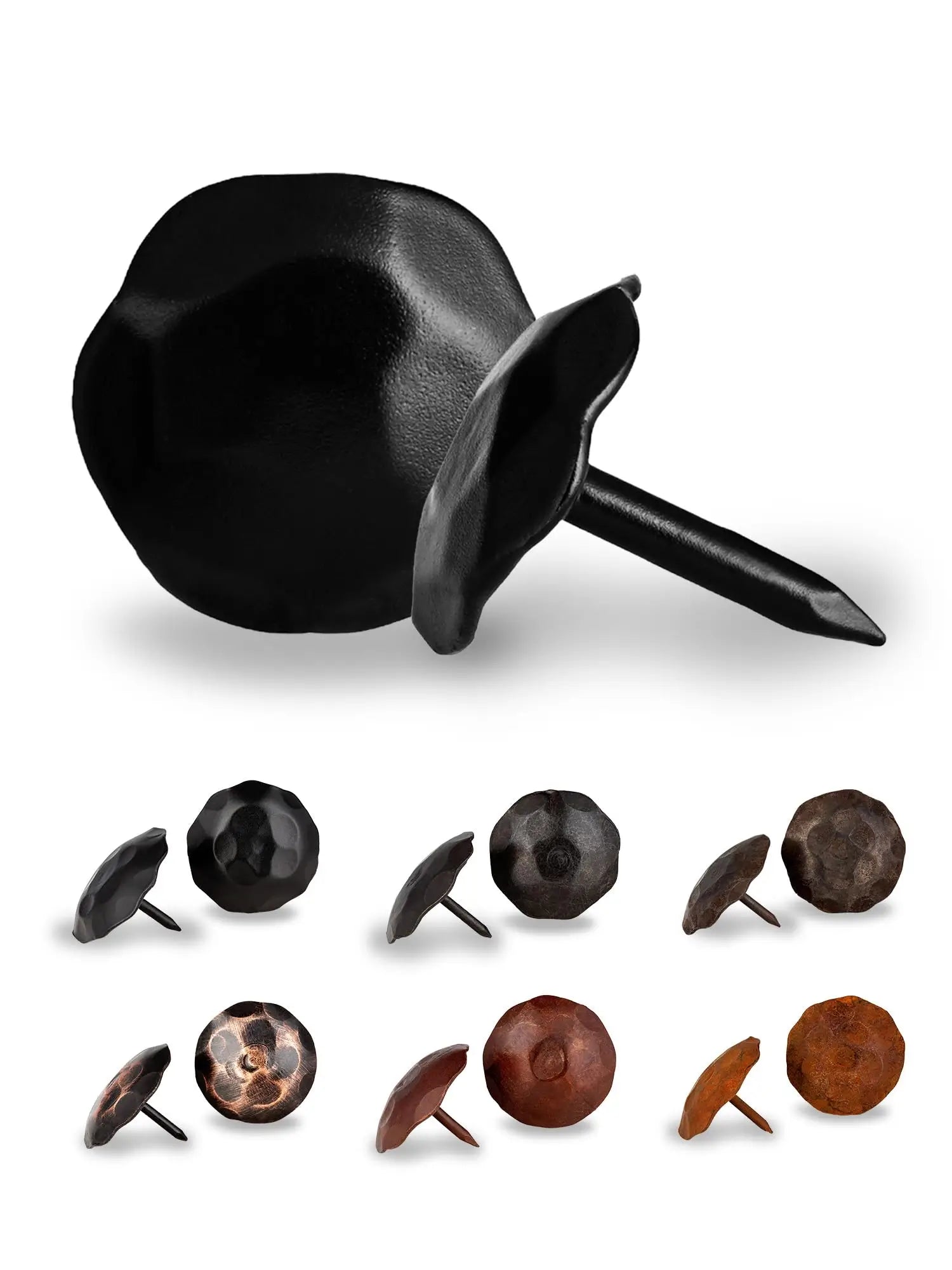
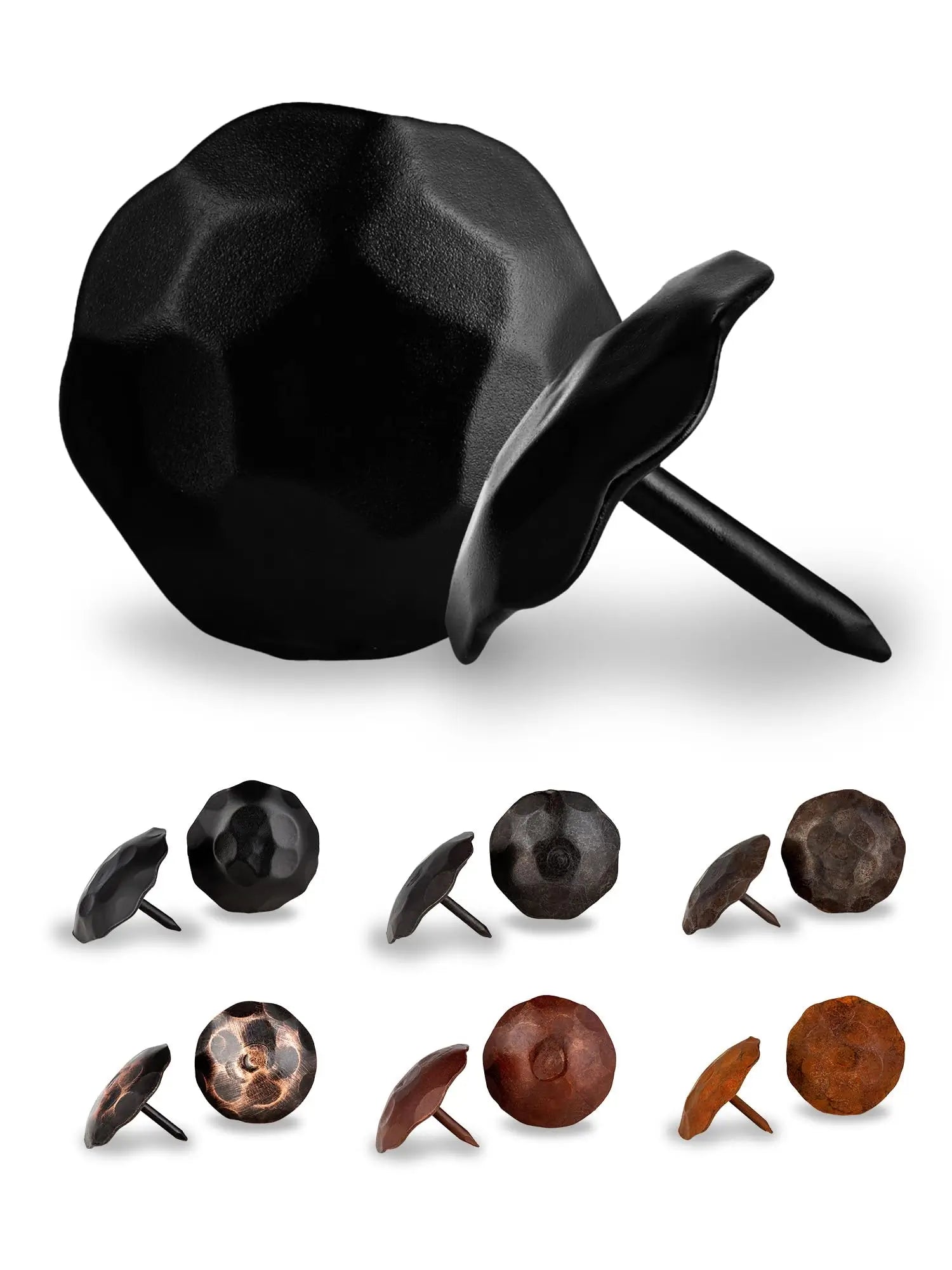
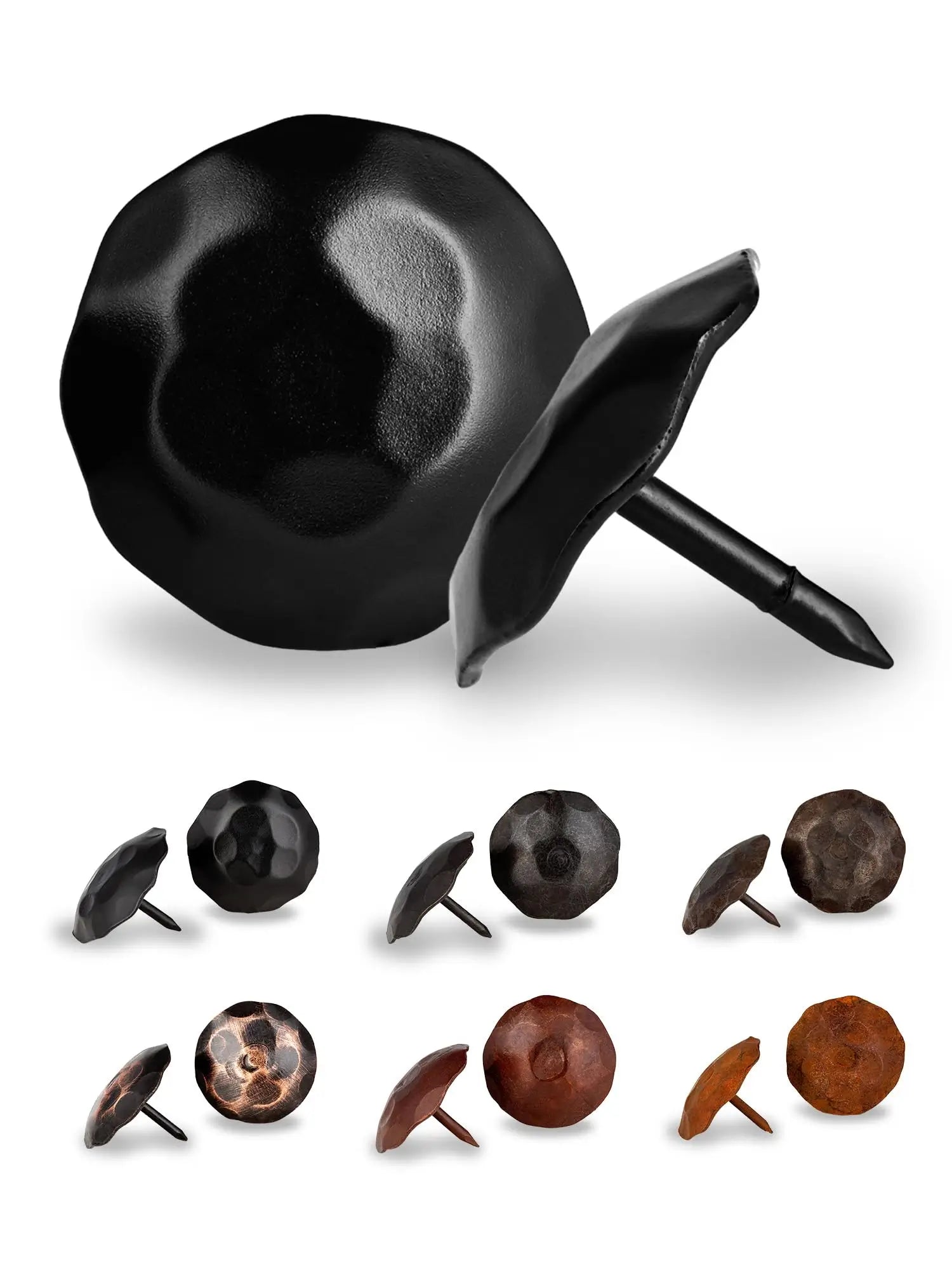
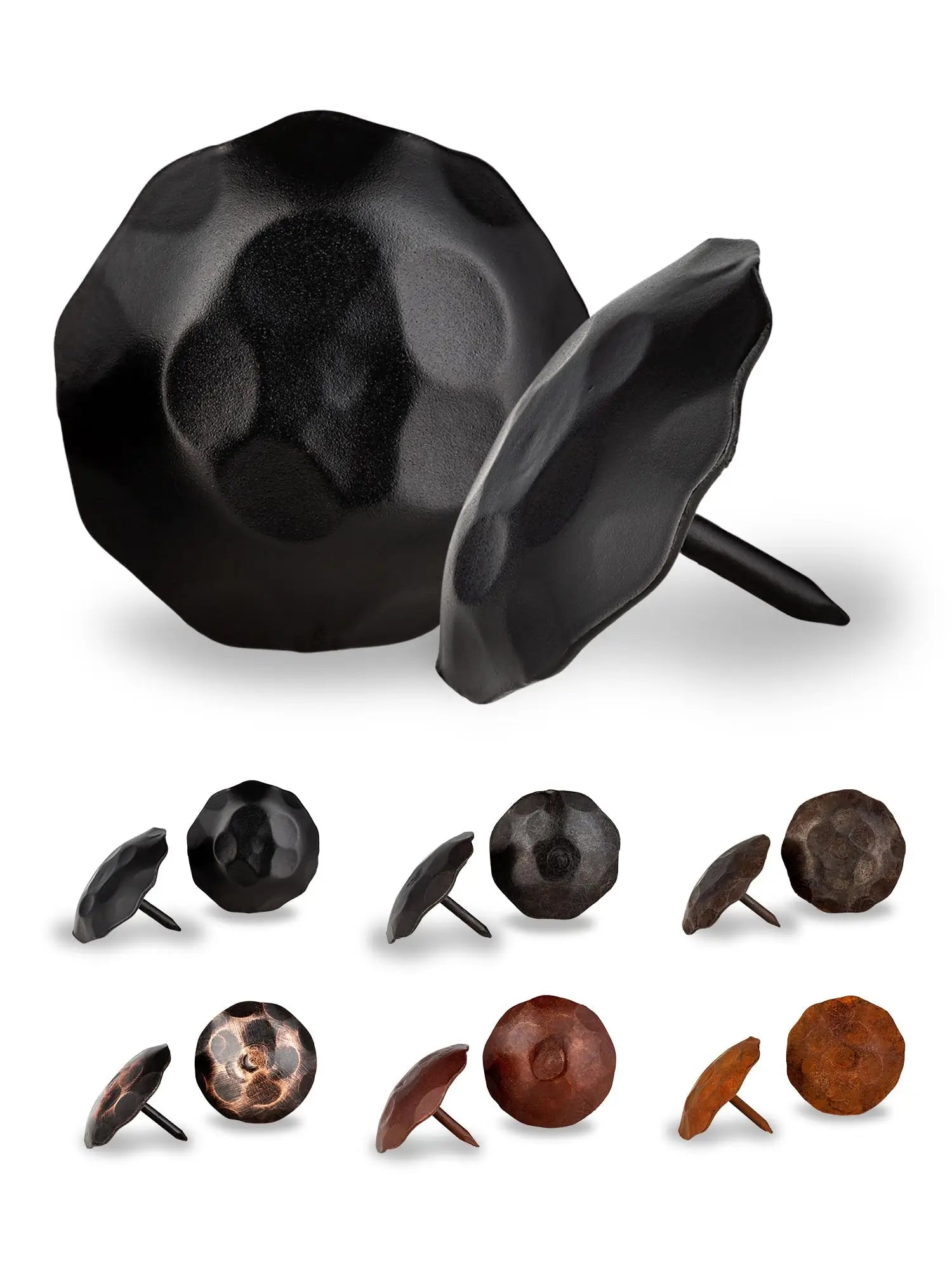


The right farmhouse cabinet hinge depends on how much of it you want visible: butterfly and H-hinges sit on the surface as a design feature, while concealed hinges hide entirely inside the cabinet. For an authentic farmhouse look, a surface-mounted decorative hinge, butterfly, H-style, or a smaller strap hinge, is almost always the right call, since the whole point of the style is showing off hand-forged hardware rather than hiding it.
Cabinet hinges get overlooked more than almost any other hardware decision, mostly because they're small and easy to treat as an afterthought. But on farmhouse and rustic cabinetry, hinges are one of the most visible repeated details in the whole kitchen, and picking the wrong style is one of the fastest ways to make an otherwise well-designed cabinet run look inconsistent.
Butterfly hinges: named for their wing-like shape, these mount fully on the surface and are one of the most recognizable farmhouse details. They work well on both cabinet doors and smaller furniture pieces.
H-hinges and HL-hinges: named for their letter-shaped silhouette, these are also fully visible on the surface. HL-hinges add a horizontal bar (the "L") for a slightly more substantial, traditional look, often used on wider cabinet doors.
Strap hinges: the same style used on barn doors and gates, scaled down for cabinets. Because the strap distributes weight across a longer surface, these hold up well on heavier doors while still reading as a strong decorative statement.
Concealed (European-style) hinges: mounted entirely inside the cabinet, invisible when the door is closed. These aren't decorative and don't contribute to a farmhouse look, but they're worth mentioning since some homeowners want the visible farmhouse hardware only on pulls and knobs, with hinges hidden.
Butterfly hinges are the most common choice for a classic farmhouse kitchen, they're simple, symmetrical, and pair naturally with ring pulls and farmhouse-style pulls without competing for attention. H and HL-hinges lean slightly more traditional or Colonial, and work particularly well on inset cabinet doors where the extra surface coverage looks intentional rather than oversized.
Strap hinges are worth considering on larger cabinets, pantry doors, or furniture pieces where a bolder, more rustic statement fits, similar to the logic covered in our strap hinge sizing guide, just scaled down for cabinetry instead of doors and gates.
Cabinet hinges are sized much smaller than door or gate hinges, typically in the 2"–6" range depending on the cabinet door's height and weight. A general rule: the hinge should span roughly one-third to one-half the height of the door for both visual balance and adequate support. Oversized hinges on a small cabinet door tend to look like a design mistake rather than an intentional statement, while undersized hinges on a large door can leave it feeling under-supported.
For paired hinges (two per door, standard on most cabinets), keep both hinges the exact same size and finish, and mount them at consistent height from the top and bottom of the door across every cabinet in the run. Consistency across a full kitchen matters more than any single hinge's individual proportions.
Cabinet hinges take more daily hand contact than almost any other hardware in the kitchen, so finish durability matters as much as looks. A black finish with a rust-resistant coating tends to hold up best under repeated use and shows fingerprints less than lighter finishes. Oil-rubbed bronze and natural iron finishes develop character over time, which some homeowners prefer for an already-lived-in farmhouse feel.
Whatever finish you choose, match it across every piece of hardware on the cabinet, hinges, pulls, and knobs should read as one coordinated set rather than separately sourced parts. If you're weighing finish options across your whole kitchen, our Rustic Furniture Knobs guide covers the same finish-matching logic in more detail.
Dry-fit the hinge first: hold it in place against the closed door to confirm placement and spacing before marking anything.
Mark and pre-drill pilot holes: especially on hardwood cabinet doors, to prevent splitting when screws are driven in.
Mount the door side first, then attach the frame side with the door held in its closed position to confirm alignment before fully tightening.
Test the swing: open and close the door several times to confirm it doesn't bind or rub against the frame before calling the install finished.
What's the difference between a butterfly hinge and an H-hinge?
Both are surface-mounted and fully visible, but a butterfly hinge has a wing-shaped silhouette, while an H-hinge is shaped like the letter it's named for. Both read as farmhouse-appropriate; the choice comes down to personal style preference.
Can I use door strap hinges on cabinets?
Yes, in a smaller size. Strap hinges scale down well for cabinet use and work especially well on larger pantry or furniture-style cabinet doors where a bolder look fits.
How many hinges does a cabinet door need?
Two hinges is standard for most cabinet doors. Taller or heavier doors sometimes use three for additional support.
Should cabinet hinges match my other kitchen hardware?
Yes, matching finish across hinges, pulls, and knobs is what makes a kitchen read as intentionally coordinated rather than assembled piecemeal.
Every hinge we make is hand-forged solid iron, sized and finished to work as a set with our pulls and knobs. Browse our cabinet hinges to find the right style for your kitchen.


