Cart
0
You may also like


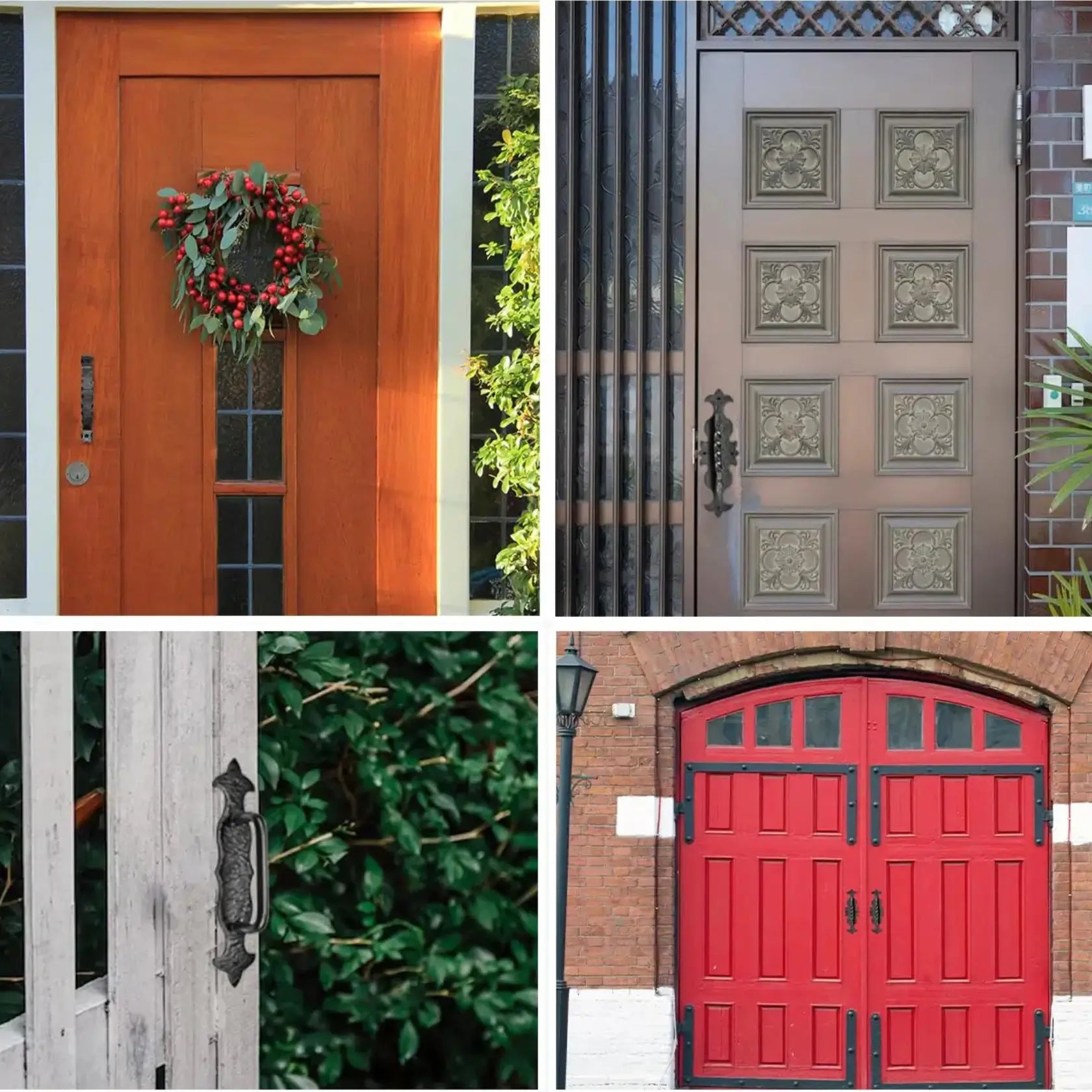
The right pull comes down to two things: the size of what you're opening, and how it fits the rest of the room. As a starting point, a good pull is roughly one-third the width of the drawer or door it's mounted on, so a 12" drawer front pairs well with a 4" pull, while a 24" drawer wants something closer to 8". Get the proportion right first, then style and finish become much easier decisions. It's easy to treat pulls as an afterthought, something you grab at the end of a project once the bigger decisions are made. But hardware is one of the few things in a kitchen or piece of furniture you actually touch every day, so a pull that's the wrong size or feels cheap in the hand undercuts everything else you got right.
a circular ring mounted on a backplate, hinged so it hangs flat against the surface. A traditional choice with strong old-world character, common on farmhouse cabinets and furniture.
a straight or gently curved bar mounted on two points. Easier to grip with a full hand, and generally the better choice for wider or heavier drawers.
a single mounting point, compact and simple. Well suited to cabinet doors rather than drawers, where a full pull isn't necessary.
For a deeper look at knob sizing specifically, see our furniture knobs guide.
There's no strict rule that says drawers need pulls and doors need knobs, but it's a common and practical split: pulls give better leverage on heavier drawers, while knobs keep lighter cabinet doors from feeling over-hardware.
The most reliable starting point is what's often called the 1/3 rule: measure the width of the drawer front, divide by three, and pick the closest available pull length to that number. A 30" drawer, for example, points to roughly a 10" pull. It's a guideline, not a hard rule, when a piece falls between two standard sizes, sizing up usually looks more intentional than sizing down. Two other measurements matter beyond overall length: center-to-center spacing (the distance between the two mounting screws) and projection (how far the pull sits off the surface once installed). Always confirm center-to-center before ordering if you're replacing existing hardware, it determines whether you can reuse existing holes or need to drill new ones.
Size gets most of the attention, but placement is just as easy to get wrong. On drawers, pulls are almost always centered horizontally and vertically on the drawer face, simple and symmetrical. Cabinet doors are less obvious: pulls or knobs are typically mounted 2"–3" from the corner closest to the opening edge, not dead center, since a centered pull on a door looks slightly off once it's actually installed next to a neighboring cabinet.
For upper cabinets, hardware usually sits toward the bottom corner of the door for easier reach. For lower cabinets, it flips, hardware sits toward the top corner, closer to standing height. This isn't a hard rule, but it's the convention most kitchens follow, and breaking it without a reason tends to look like a mistake rather than a design choice. One detail that's easy to overlook: consistency matters more than precision. If every drawer and door in a run uses the exact same placement logic, even small deviations from "ideal" spacing will read as intentional. Mixed, inconsistent placement is what actually makes hardware look off.
a uniform pull size across drastically different drawer widths is one of the most common reasons hardware feels off, even when each piece looks fine on its own.
a pull that sits too far off the surface can catch on clothing or catch fingers in tight kitchen layouts. Check projection, not just length, before ordering.
one matte black pull next to one polished handle rarely reads as eclectic on purpose; it usually just reads as mismatched.
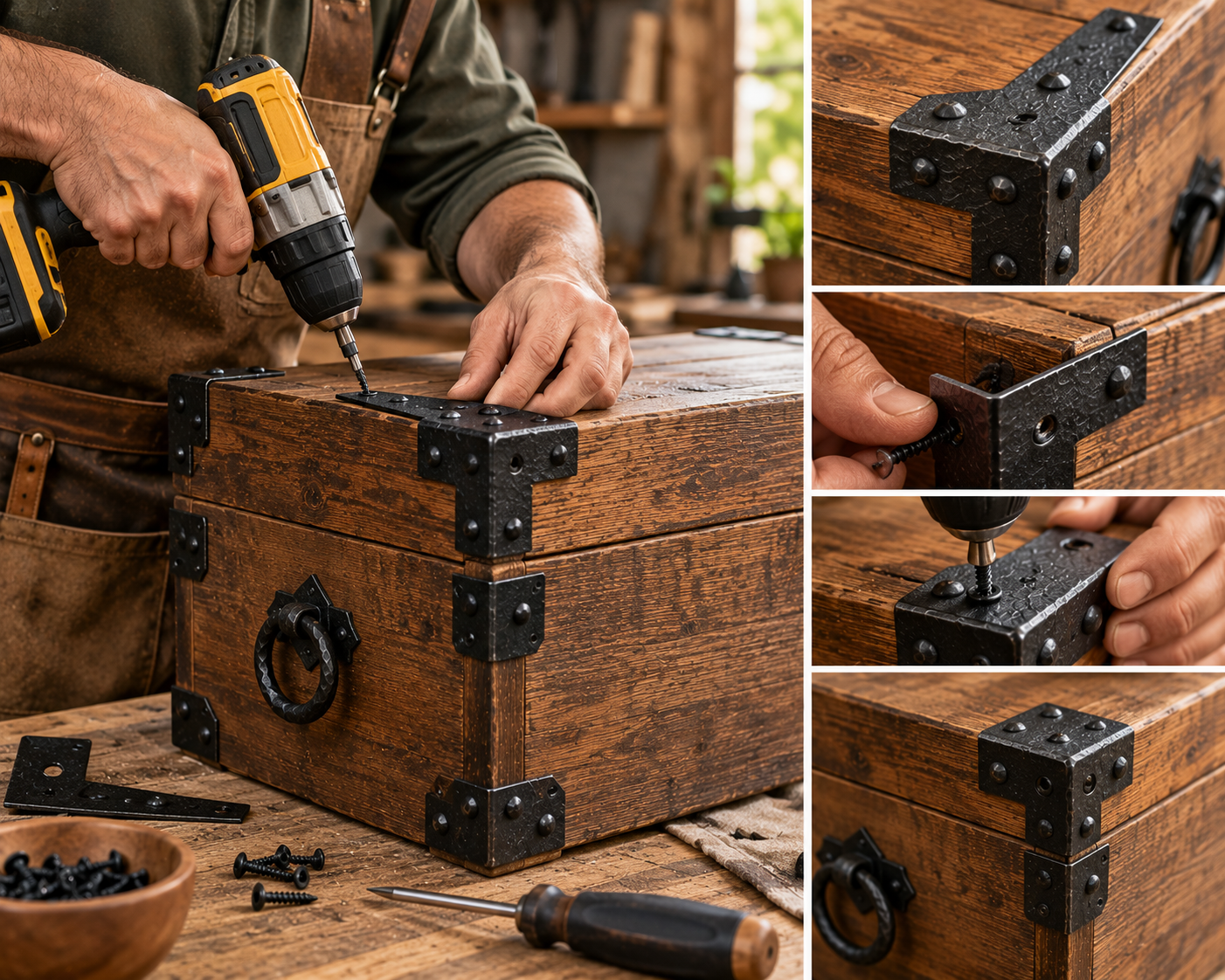
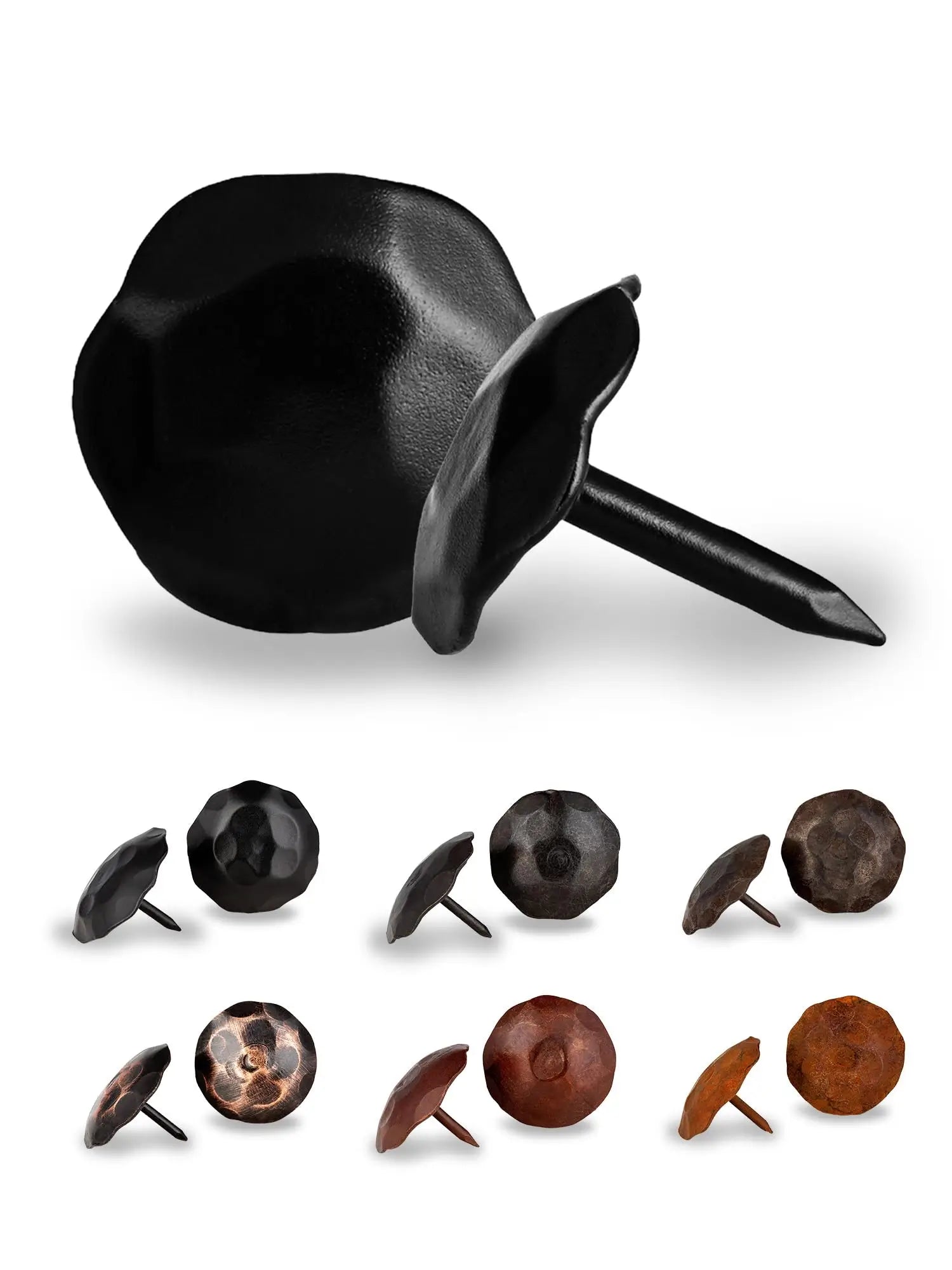
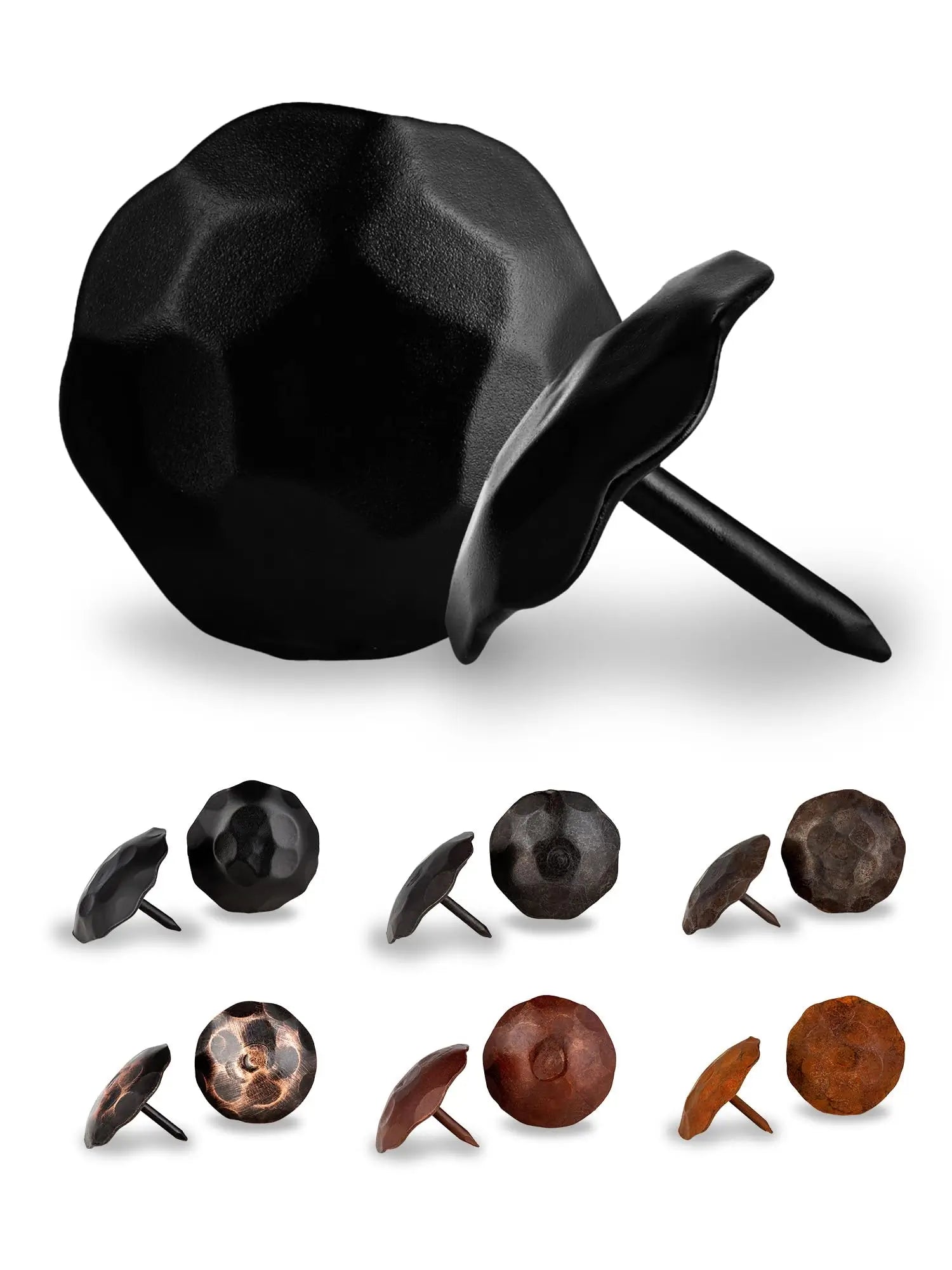
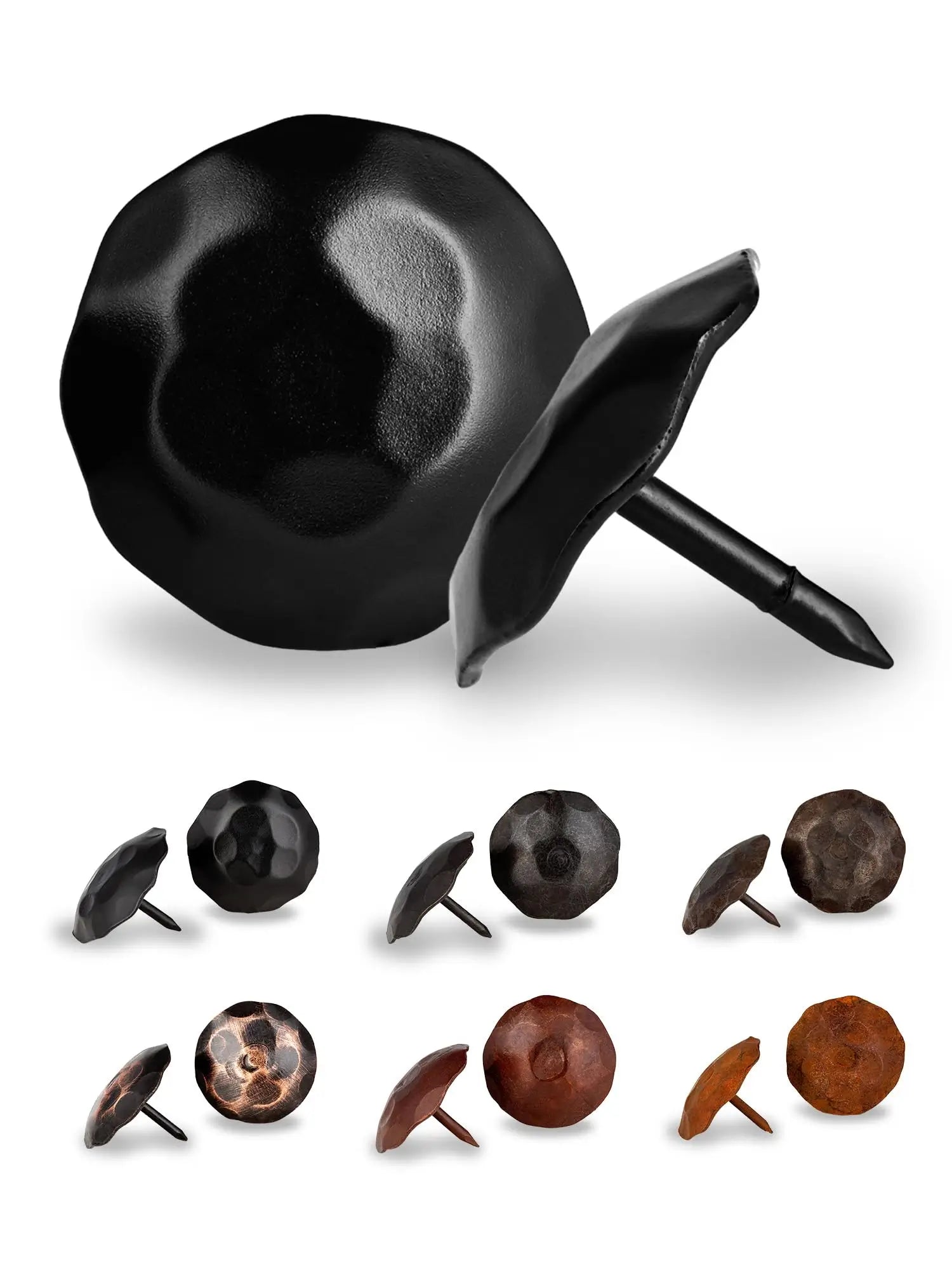
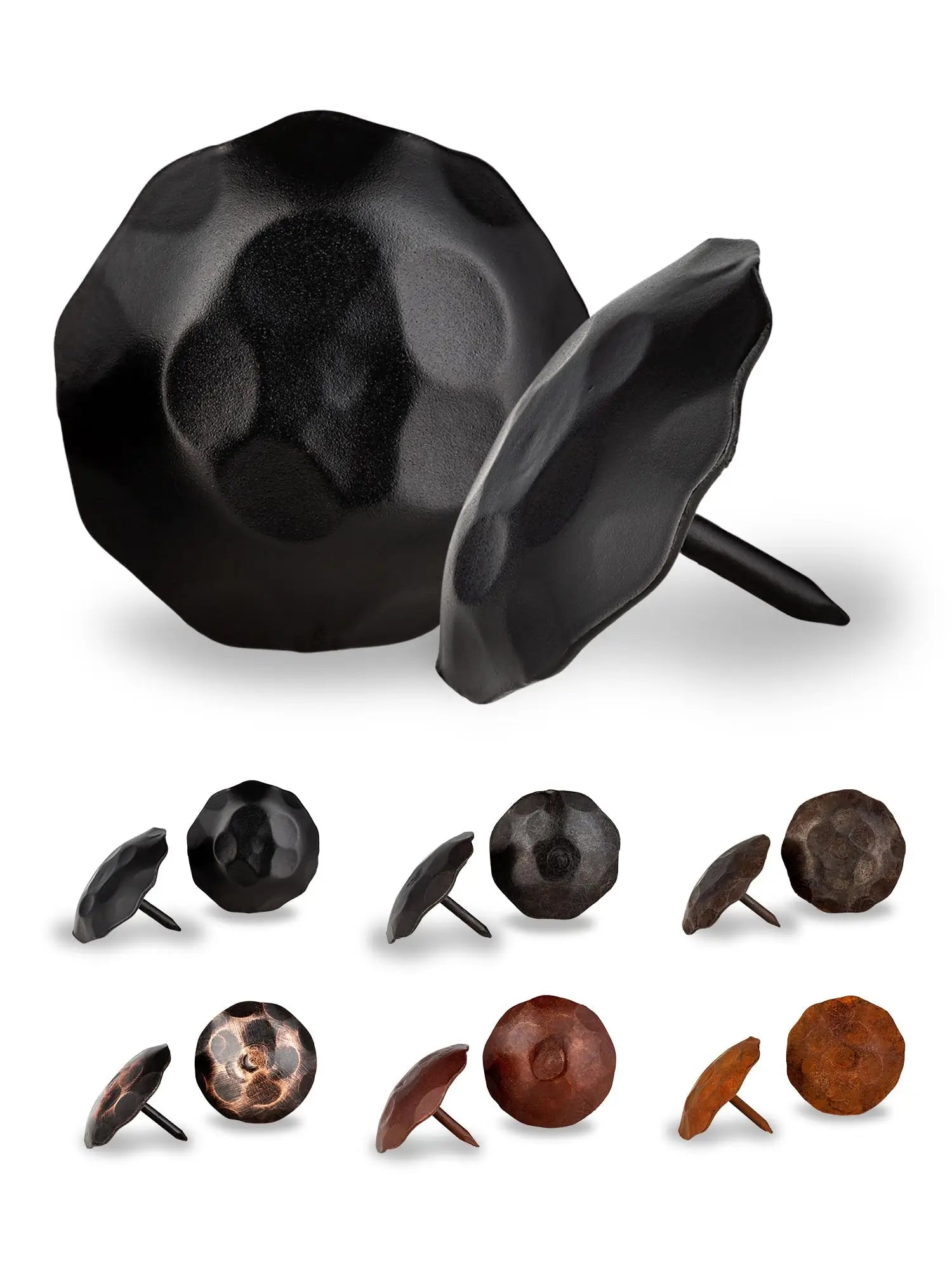
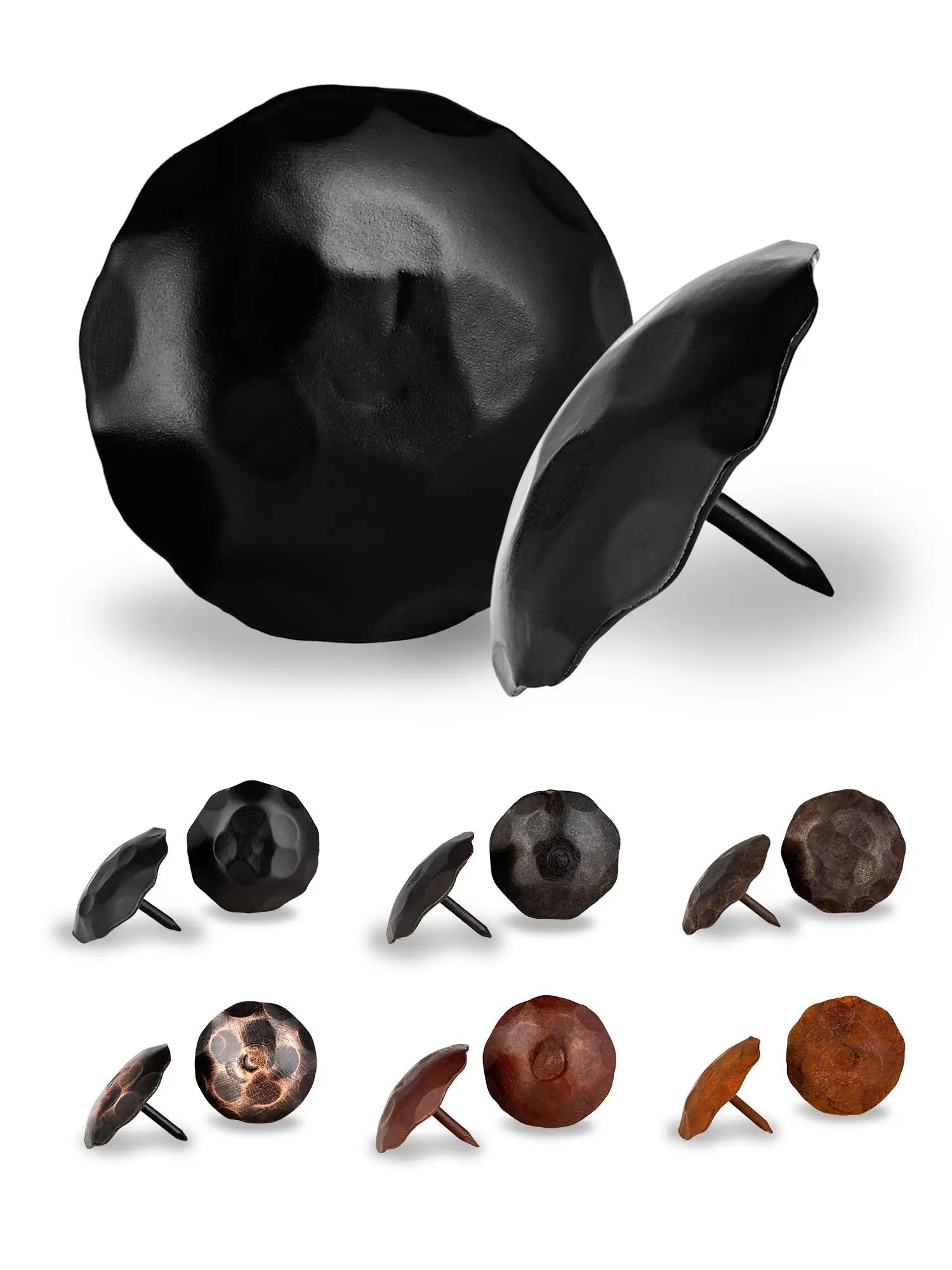
If the rest of a room already has hand-forged hardware, matching series keeps everything looking like it was planned together rather than pieced together. Our Farmhouse Series ring pulls pair naturally with Farmhouse shelf brackets and hinges, while the Hacienda Series leans more ornate and suits rooms with existing scrollwork detailing, like decorative corner straps or Hacienda shelf brackets. Finish Considerations Kitchens and bathrooms see more hand contact and moisture than almost anywhere else in a home, so finish durability matters as much as looks. Black finishes with a rust-resistant coating tend to hold up best under daily use, while oil-rubbed bronze and natural iron develop a patina over time that some homeowners prefer, though it will shift slightly in appearance over the years. If consistency matters more than character, a sealed finish holds its original look longer.
What size pull should I get for a 24" drawer?
Using the 1/3 rule, a 24" drawer pairs well with a pull around 8" long. If that exact size isn't available, the closest standard size, usually 7.5" or 8.5", will still look proportional.
Should I use pulls or knobs on cabinet doors?
Either works, but knobs are the more common choice for doors since a full pull isn't needed for a lighter, single-hinge door. Pulls are generally reserved for drawers, where a full-hand grip makes opening easier.
What's the difference between overall length and center-to-center?
Overall length is the full tip-to-tip measurement of the pull. Center-to-center is the distance between the two mounting screw holes, which is always shorter than the overall length and determines whether existing holes can be reused.
Can I mix pull sizes across different drawers?
Yes, especially if drawer widths vary significantly. Sizing each pull to its own drawer using the 1/3 rule generally looks more intentional than forcing one size across drawers of different widths.
Find Hardware That Fits Your Project
Every pull and handle we make is hand-forged solid iron, sized and finished to work as a set. Browse our full pulls and handles collection to find the right fit for your cabinets or furniture.