Cart
0
You may also like
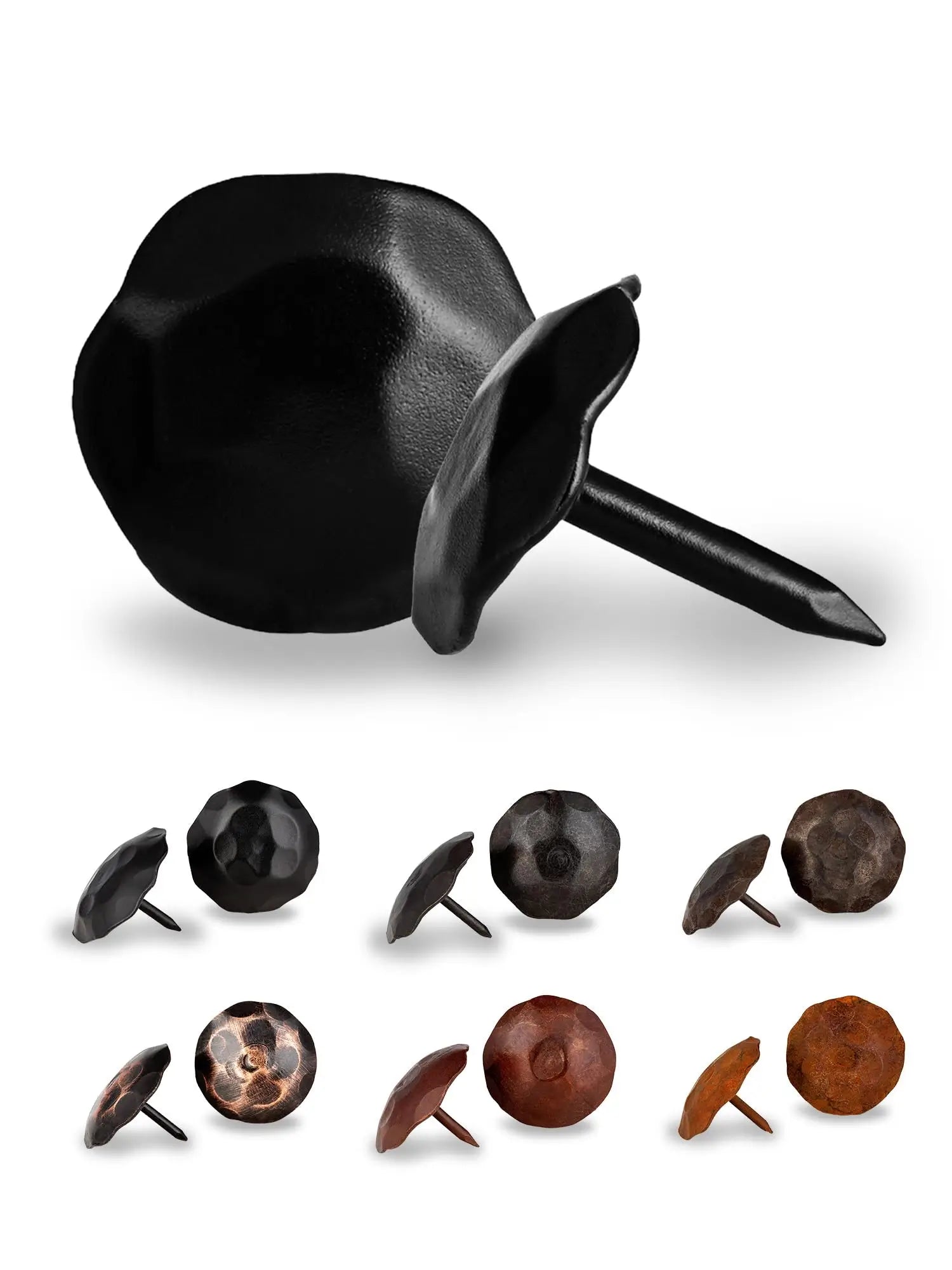
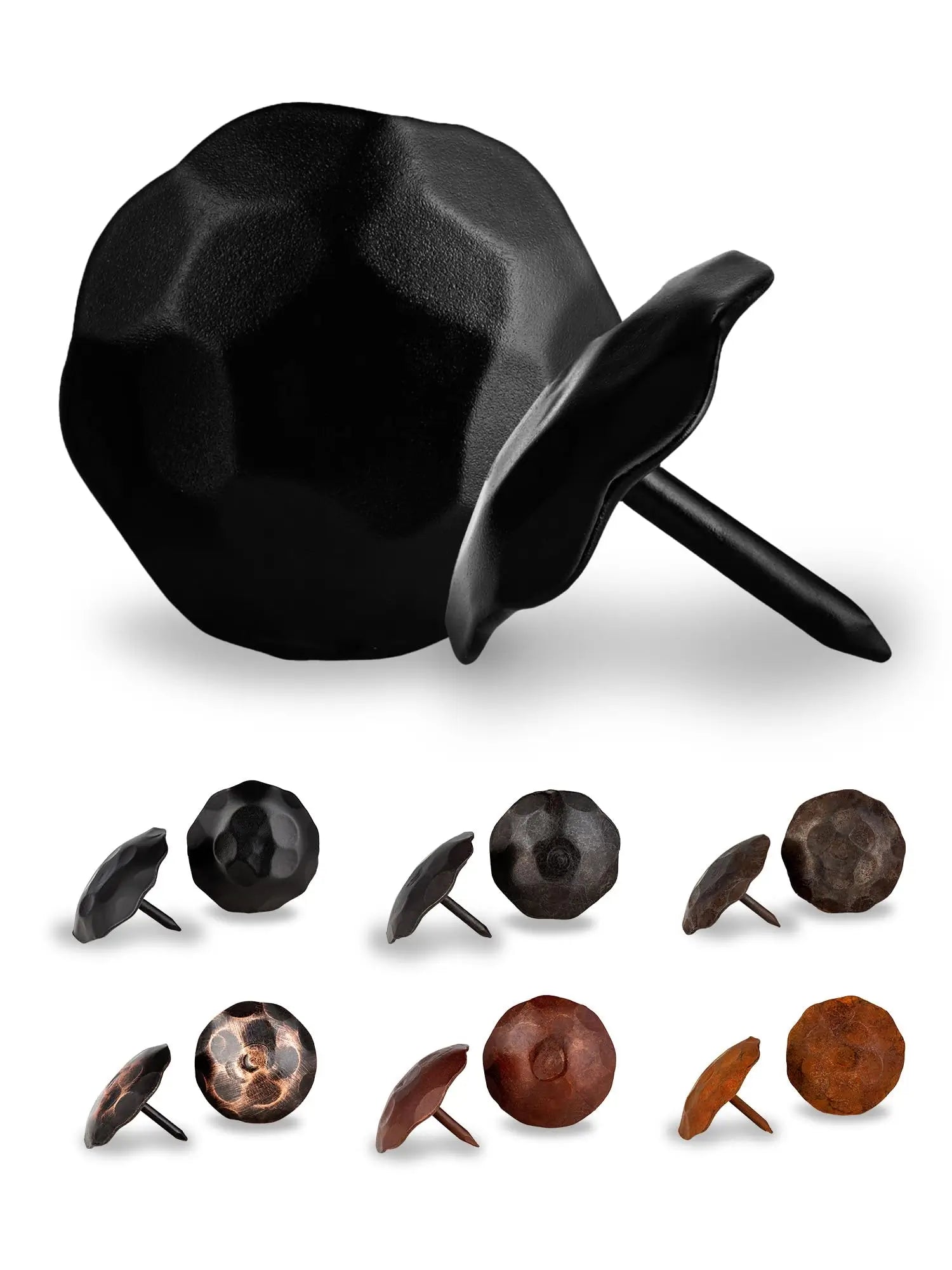
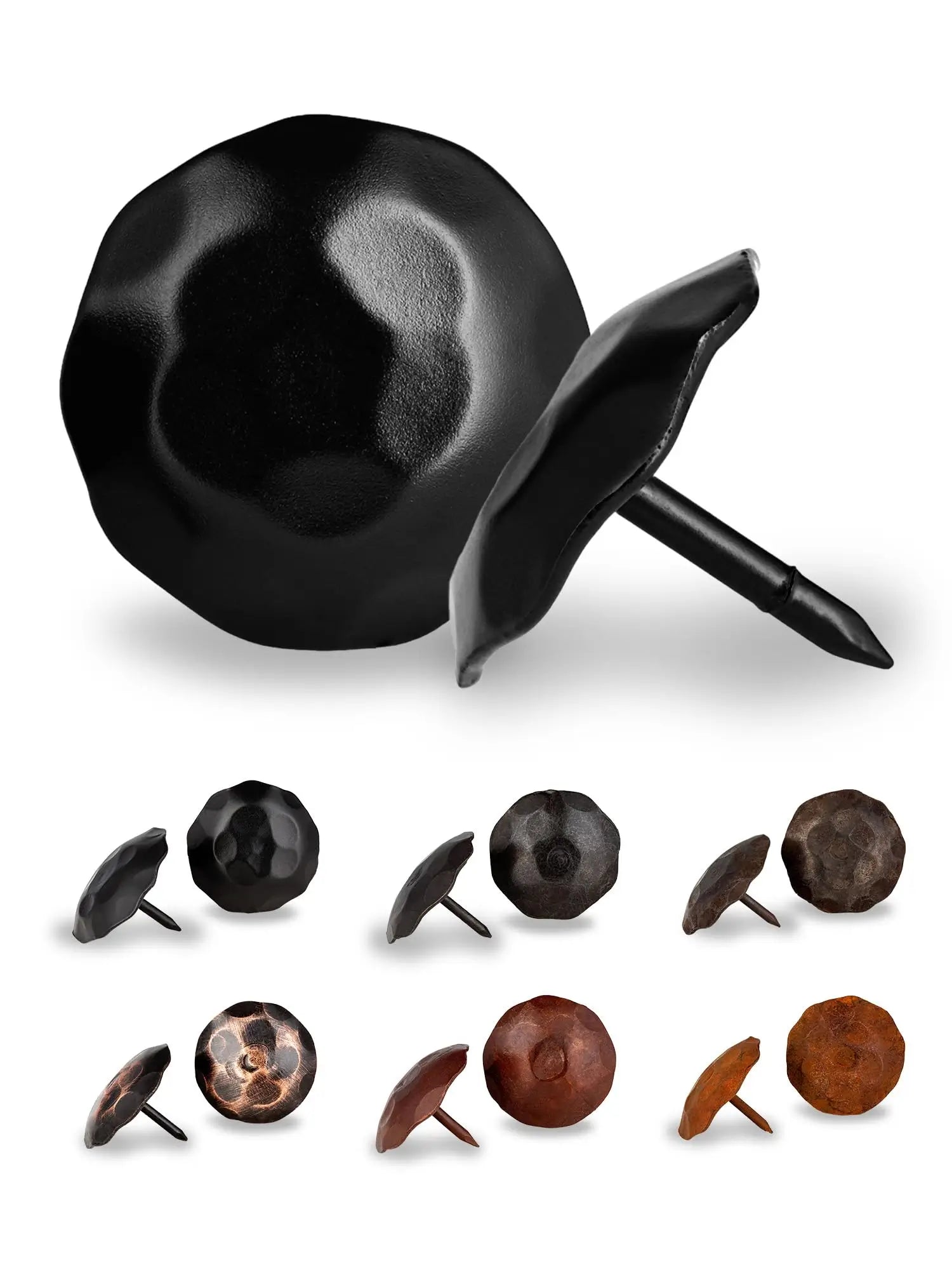
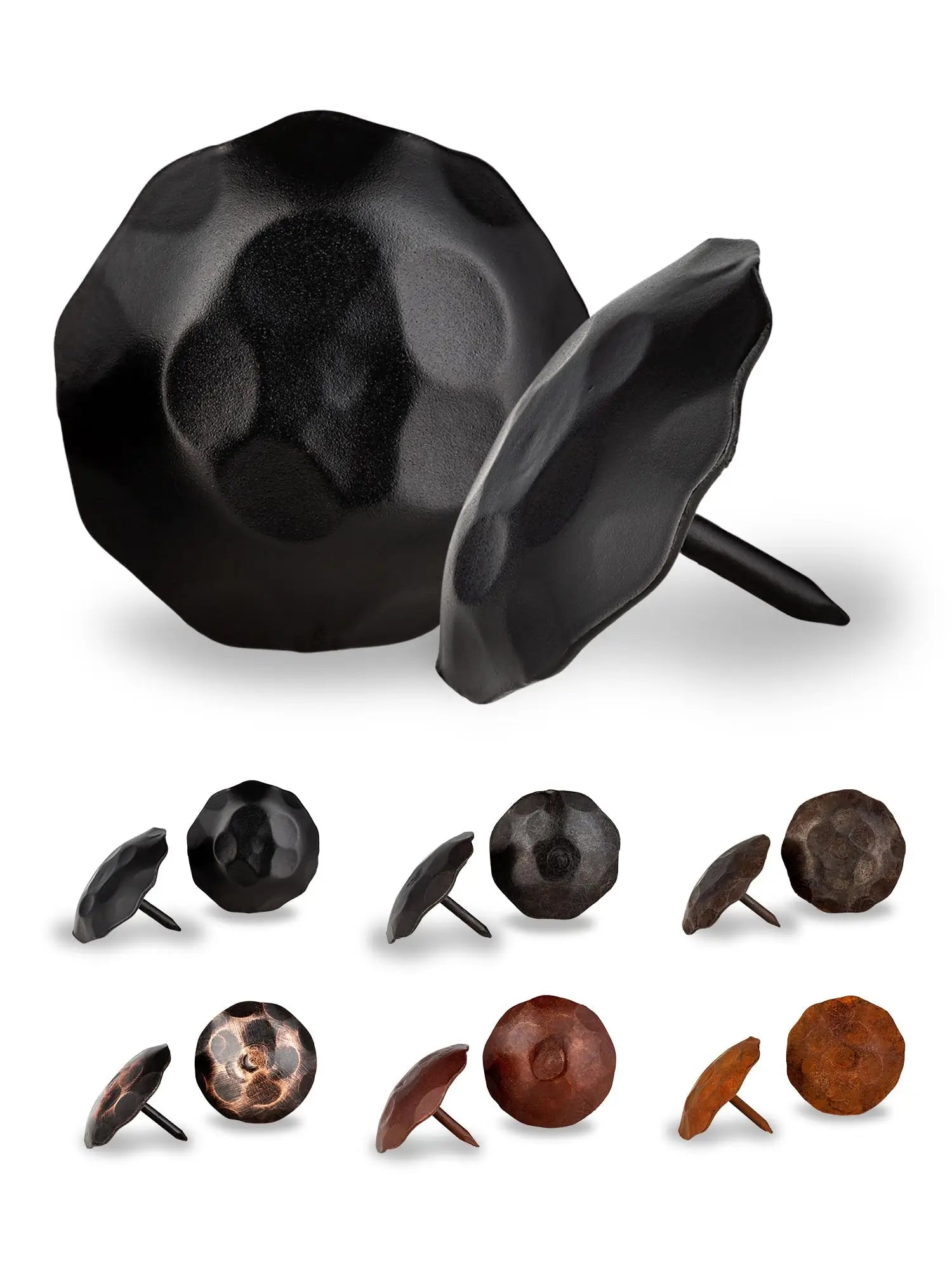
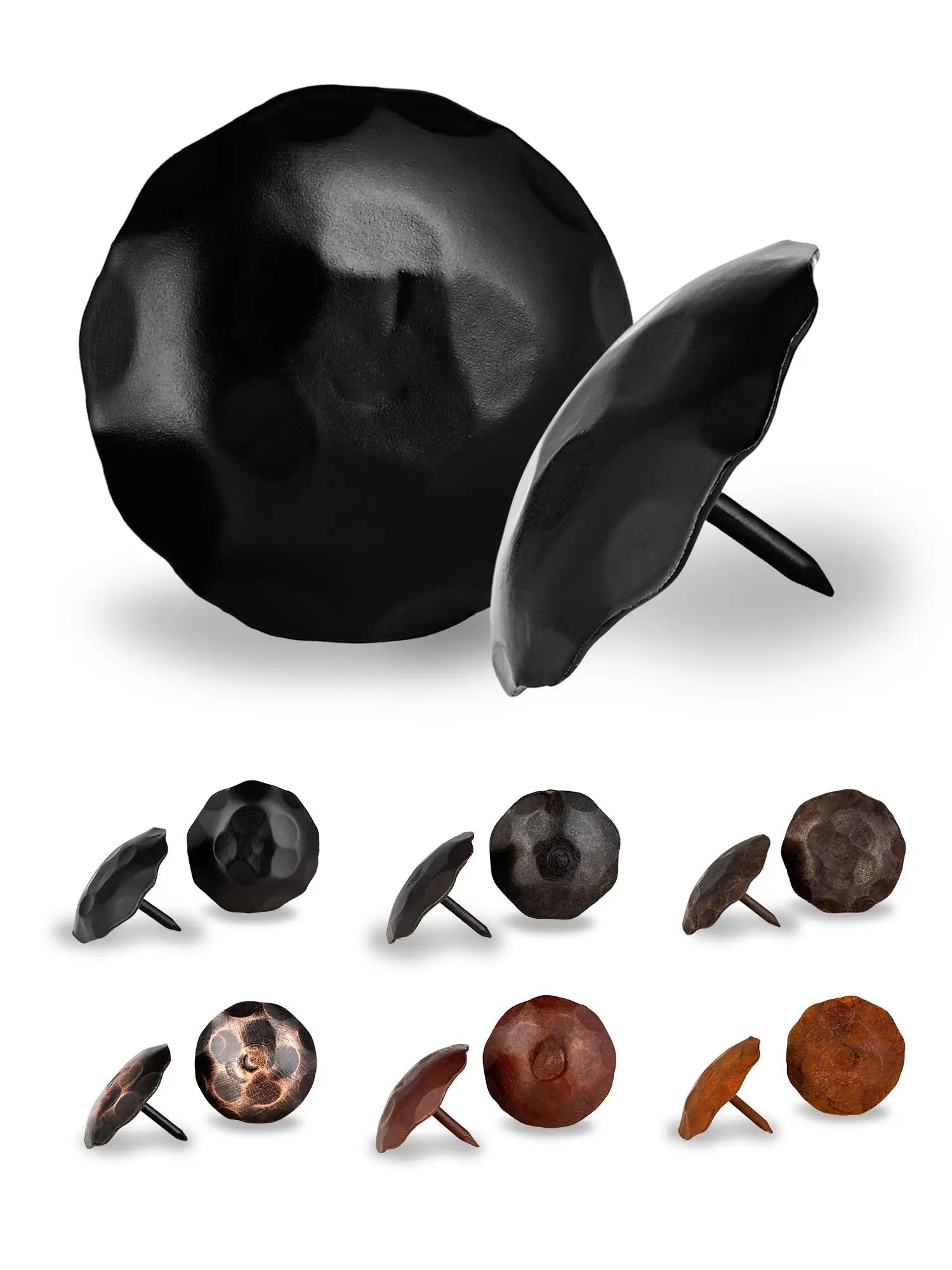


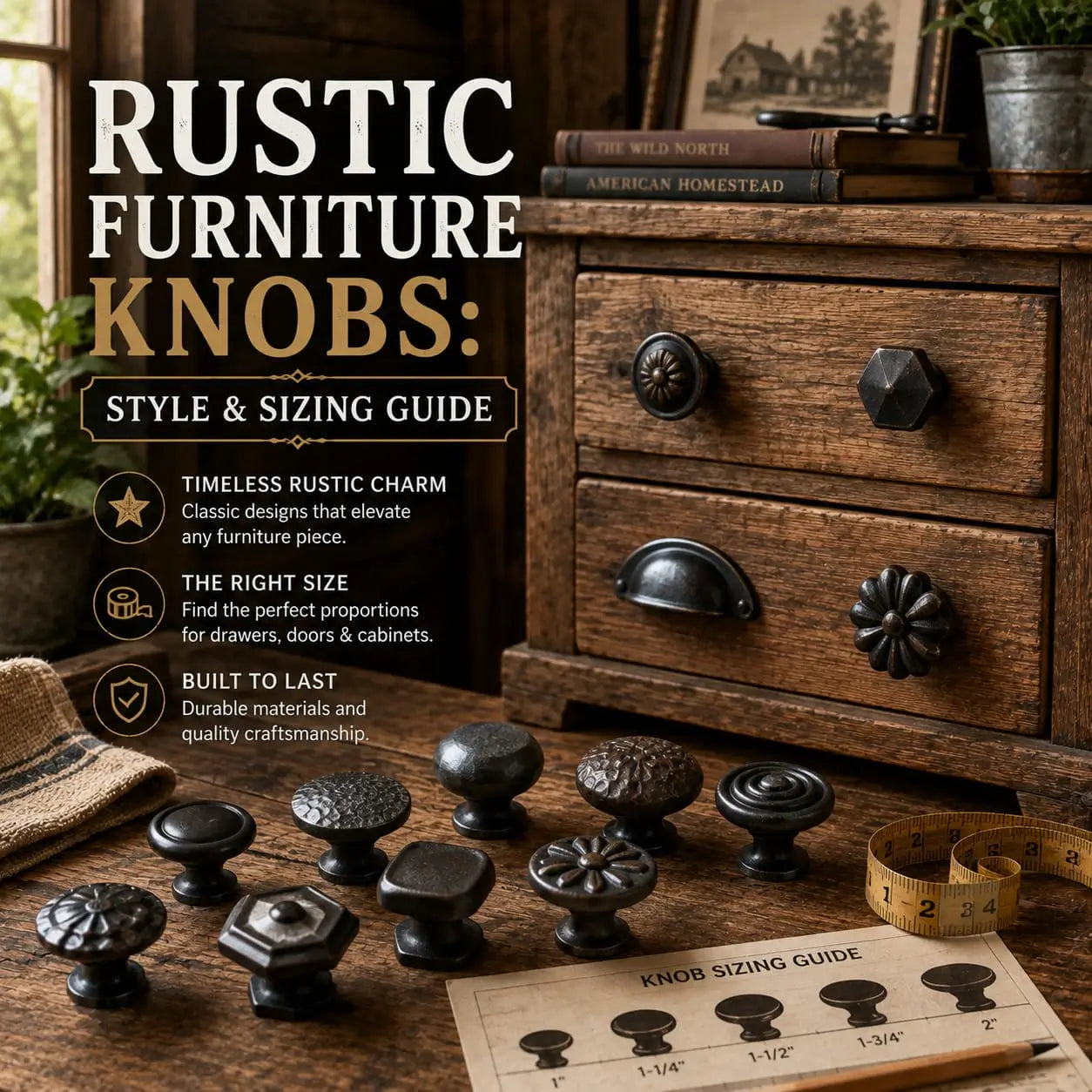
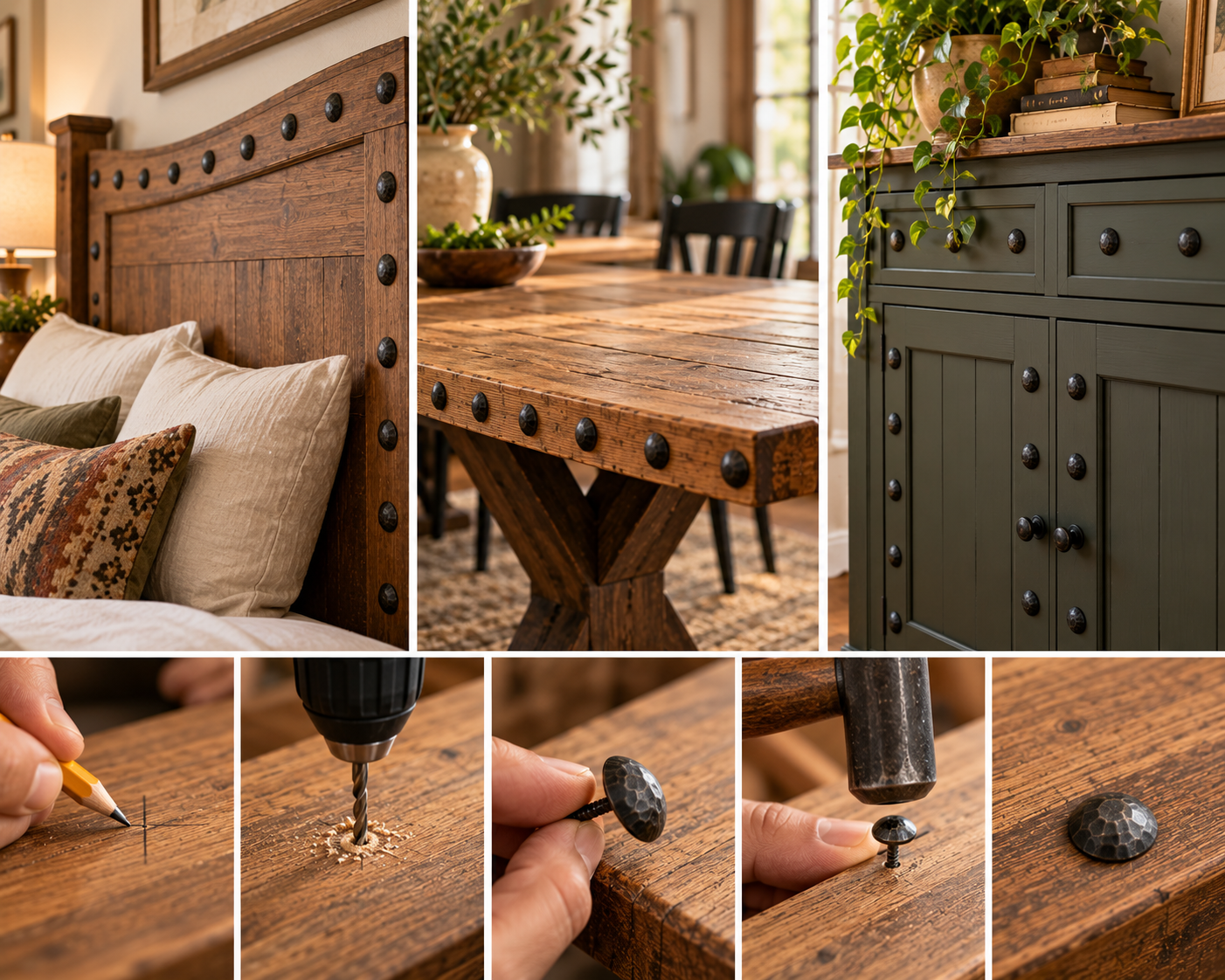
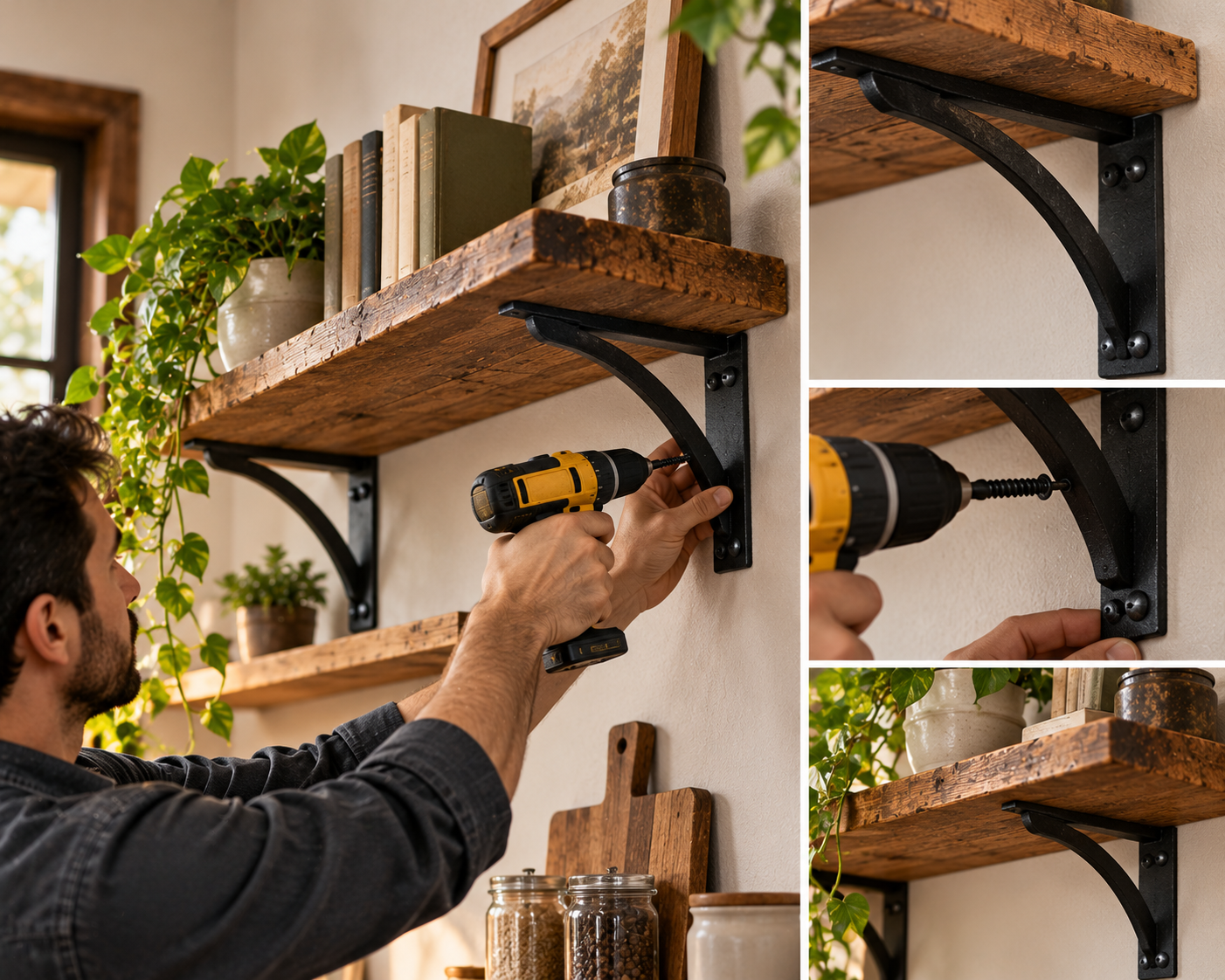
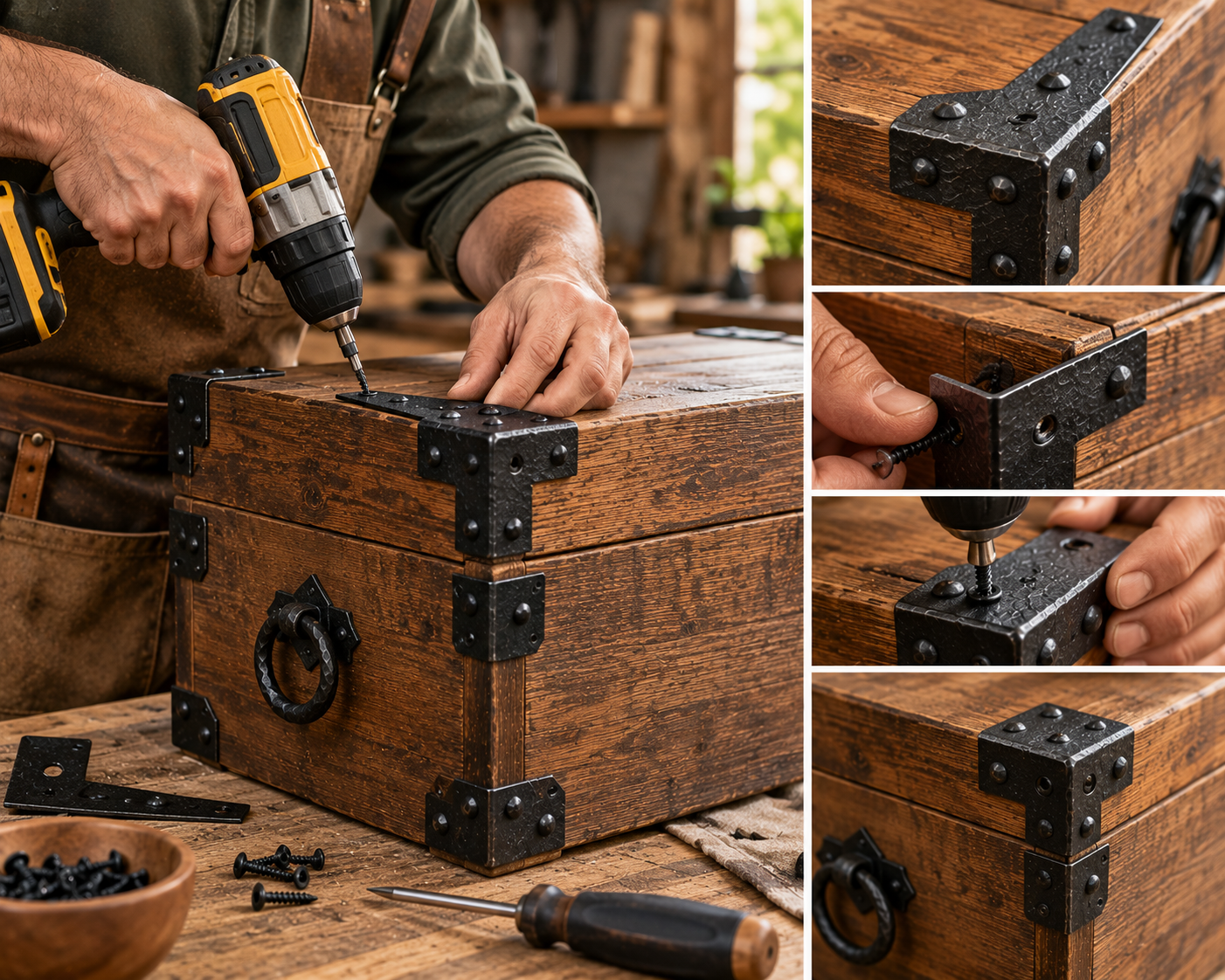
A rustic furniture knob is a single-point, hand-forged iron knob used on drawers and doors where a full pull isn't necessary, dressers, nightstands, armoires, and smaller cabinet pieces. The right one comes down to two things: proportion to the piece it's mounted on, and finish that matches the wood's age and character. A knob that's too small disappears against a large dresser front; one that's too refined looks out of place on a weathered, farmhouse-style piece. If you're also shopping for drawer pulls, our cabinet and furniture pulls buying guide covers sizing for those separately. Furniture knobs get less attention than cabinet hardware, mostly because there are fewer of them on any one piece, a dresser might only need six to eight knobs total. But that lower quantity means each one carries more visual weight individually, which makes getting the style and proportion right more important, not less.
The defining trait of a genuinely rustic knob is texture that comes from an actual process, hand-hammering, forging, natural variation in the metal, rather than a cast or stamped surface trying to imitate it. Real hand-forged iron carries small irregularities: slightly uneven surfaces, tool marks, a texture that changes subtly from piece to piece. That's the detail that separates an authentic rustic knob from a mass-produced one styled to look rustic in a catalog photo but flat and uniform in person.
the most forgiving piece for scale, since drawer fronts are wide enough to support a slightly larger, more textured knob without looking crowded.
smaller drawer fronts call for a more compact knob, both for proportion and so it doesn't catch on bedding or clothing at bedside height.
taller, heavier pieces can support a more substantial, ornate knob, especially on doors rather than drawers, where there's more surface to balance against.
often paired with glass-front doors, where a simpler, less busy knob tends to keep the focus on what's displayed inside rather than competing with it.
Unlike pulls, which scale to a drawer's width, knobs are sized more by drawer face height and overall furniture scale than any strict formula. As a general guide:
nightstands, small jewelry boxes, and delicate accent furniture.
standard dresser and chest drawers, the most common range for bedroom furniture.
armoire and wardrobe doors, larger furniture pieces where a bigger knob is needed to feel proportional. When a piece falls between sizes, it's usually safer to size up slightly rather than down, an undersized knob is one of the most common reasons furniture hardware looks like an afterthought rather than a deliberate choice.
Finish does more work than shape when it comes to making a knob feel period-appropriate. A weathered, natural-wood dresser generally pairs better with a black or rusted finish, since a bright or heavily polished knob can look out of place against distressed wood. Newer farmhouse-style builds have more flexibility and can carry oil-rubbed bronze or sealed finishes without looking mismatched. If a piece is being restored rather than newly built, matching the knob's weight and texture to the era of the furniture matters as much as the finish itself, older, hand-built furniture generally calls for heavier, more irregular hardware than furniture from more industrial manufacturing periods. If you're working across multiple furniture pieces in the same room, consistency in finish is what actually reads as intentional design rather than a scattered collection. This general guide to mixing furniture styles covers the same principle for furniture more broadly, and the logic applies directly to hardware.
Knobs are almost always centered on a drawer face, both horizontally and vertically, simple and symmetrical. On cabinet-style doors, the convention shifts slightly: mount the knob 2"–3" from the corner nearest the opening edge rather than dead center, which is the same placement logic used for cabinet hardware generally. Consistency across every drawer and door on a single piece matters more than any individual measurement, mismatched placement is far more noticeable than a knob that's slightly larger or smaller than ideal. It's worth dry-fitting a single knob before committing to a full set, hold it against the drawer face, step back, and check the proportion from a normal viewing distance rather than up close. What looks slightly small in your hand often reads correctly from a few feet away, and the reverse is also true for larger, more ornate designs.
What size knob should I use on a dresser?
Most standard dresser drawers pair well with a knob in the 1.5"–2" range. Larger, wider drawer fronts can support a knob at the upper end of that range without looking oversized.
Should I use knobs or pulls on a dresser?
Either works, it's largely a style choice for dressers. Knobs tend to read as more traditional or rustic, while pulls offer a slightly easier grip and a more streamlined look.
Do I need to match knobs across every piece of furniture in a room?
Not necessarily, but keeping finish consistent, even if shapes vary slightly between pieces, helps a room read as cohesive rather than mismatched.
What's the difference between rustic and antique furniture knobs?
"Rustic" describes a style, hand-forged, textured, natural-looking hardware, while "antique" refers to age. A rustic knob can be brand new and still carry that hand-forged character; an antique knob is simply an older piece, regardless of style.
Find Hardware That Fits Your Furniture
Every knob and pull we make is hand-forged solid iron, sized and finished for real furniture, not just catalog photos. Browse our full pulls and handles collection to find the right fit for your piece.