Cart
0
You may also like
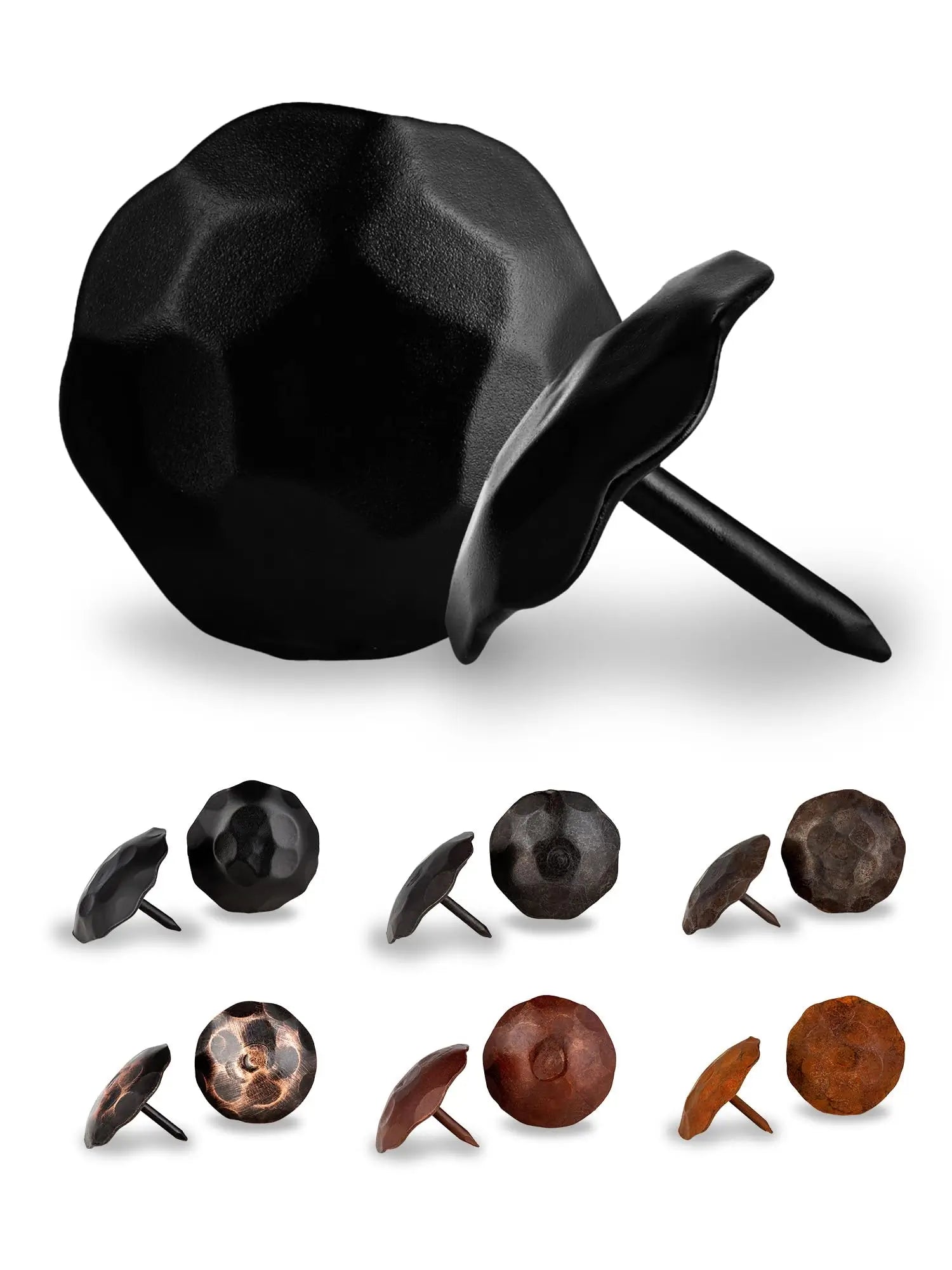
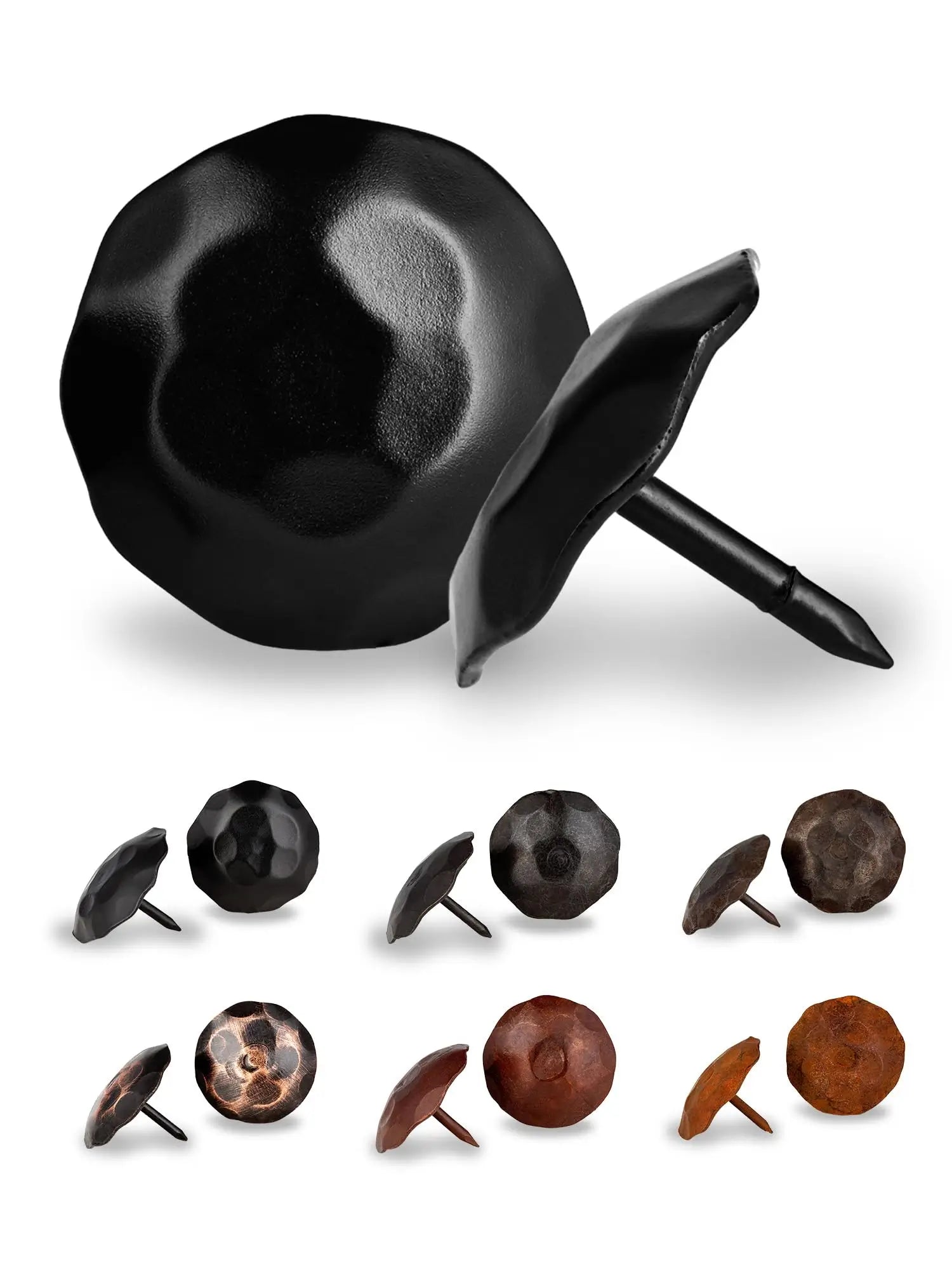
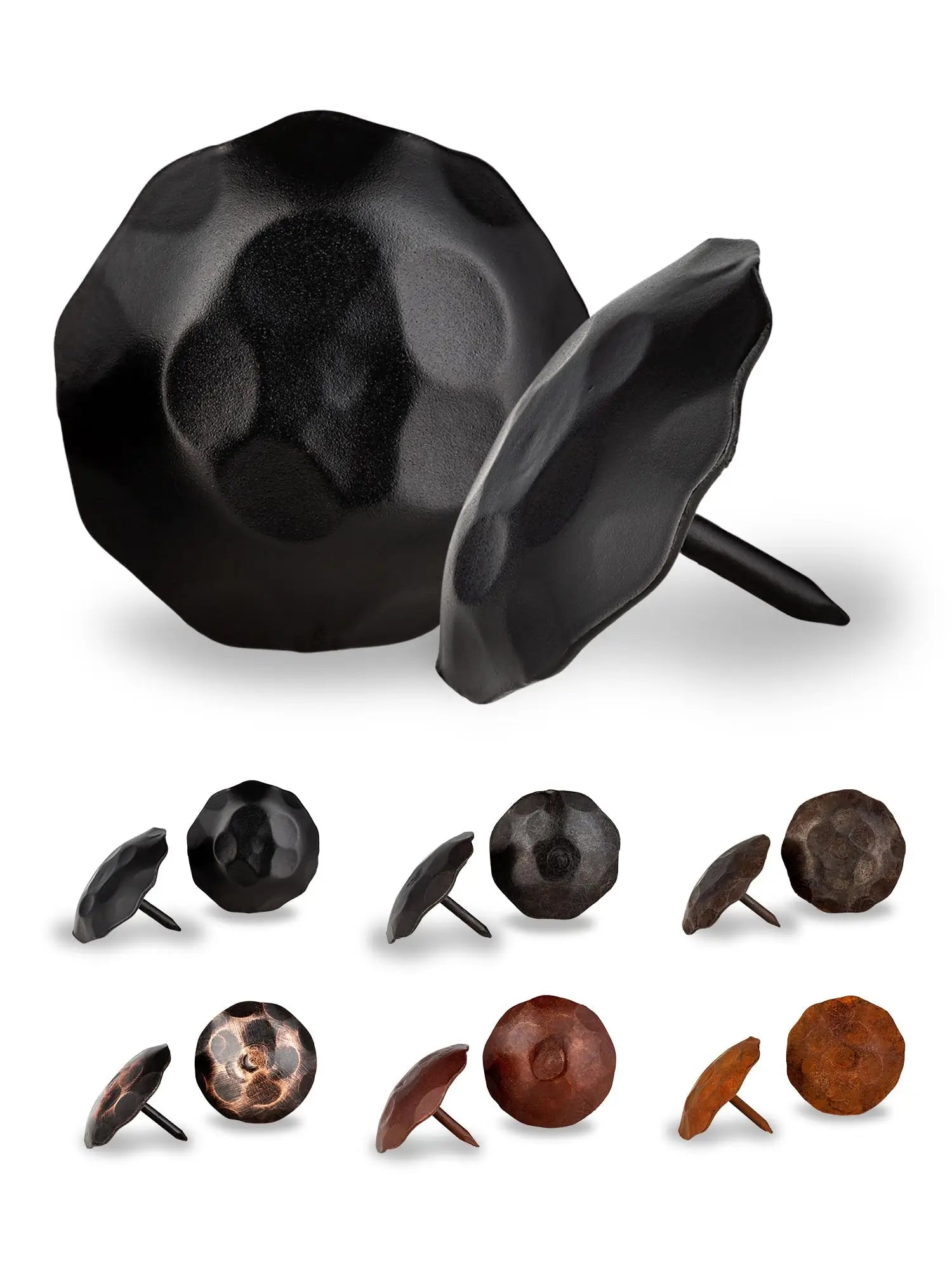
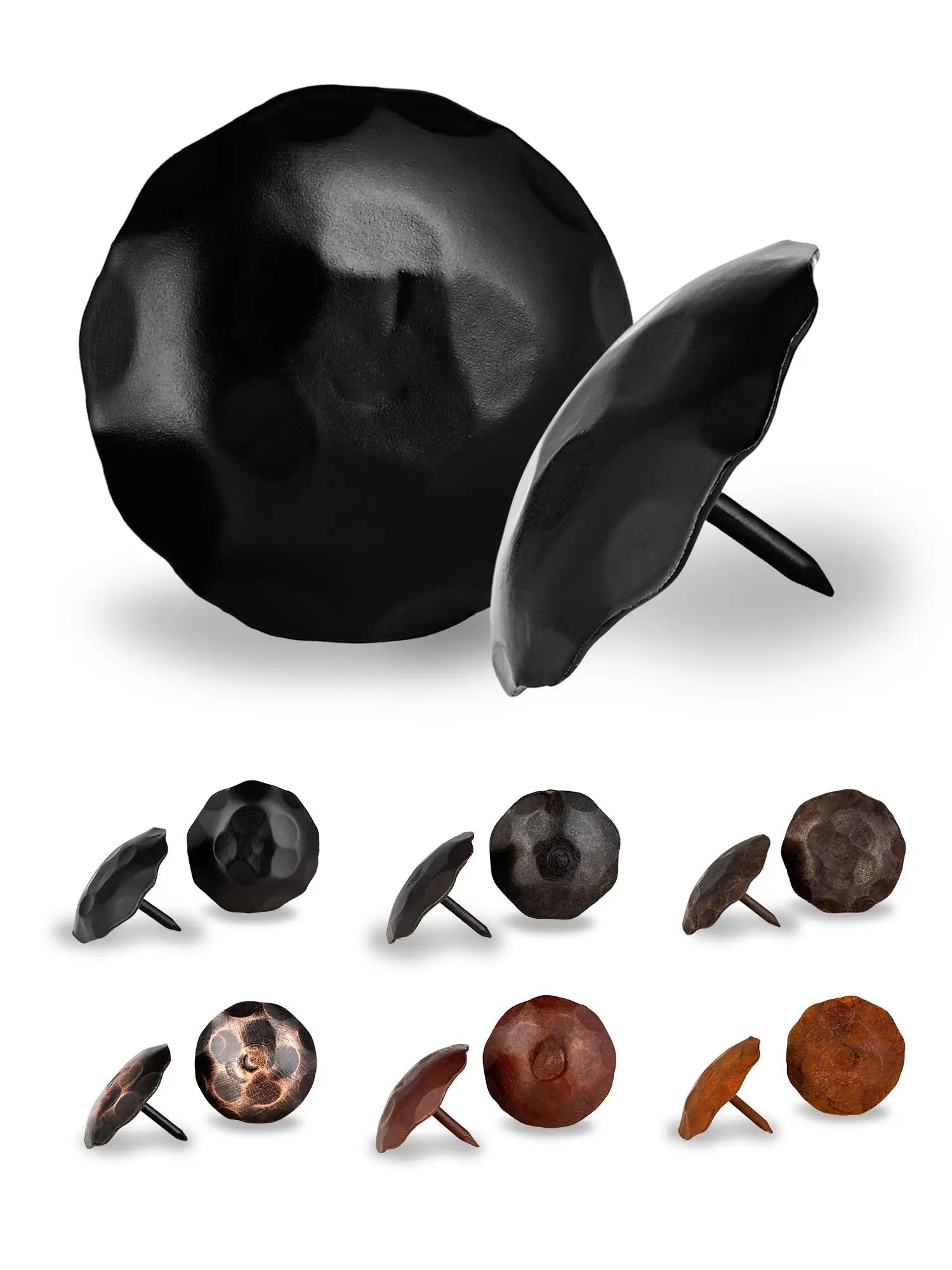


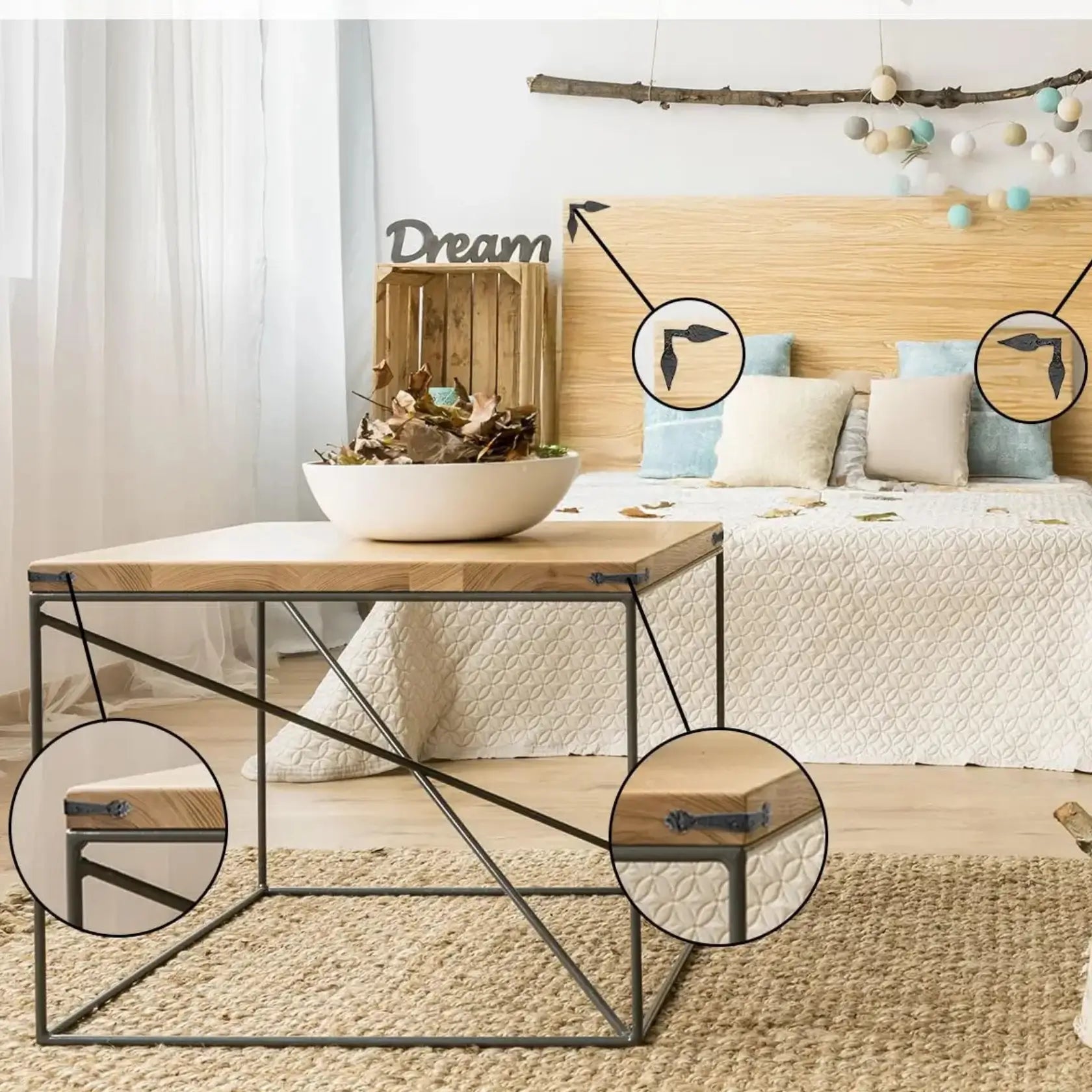
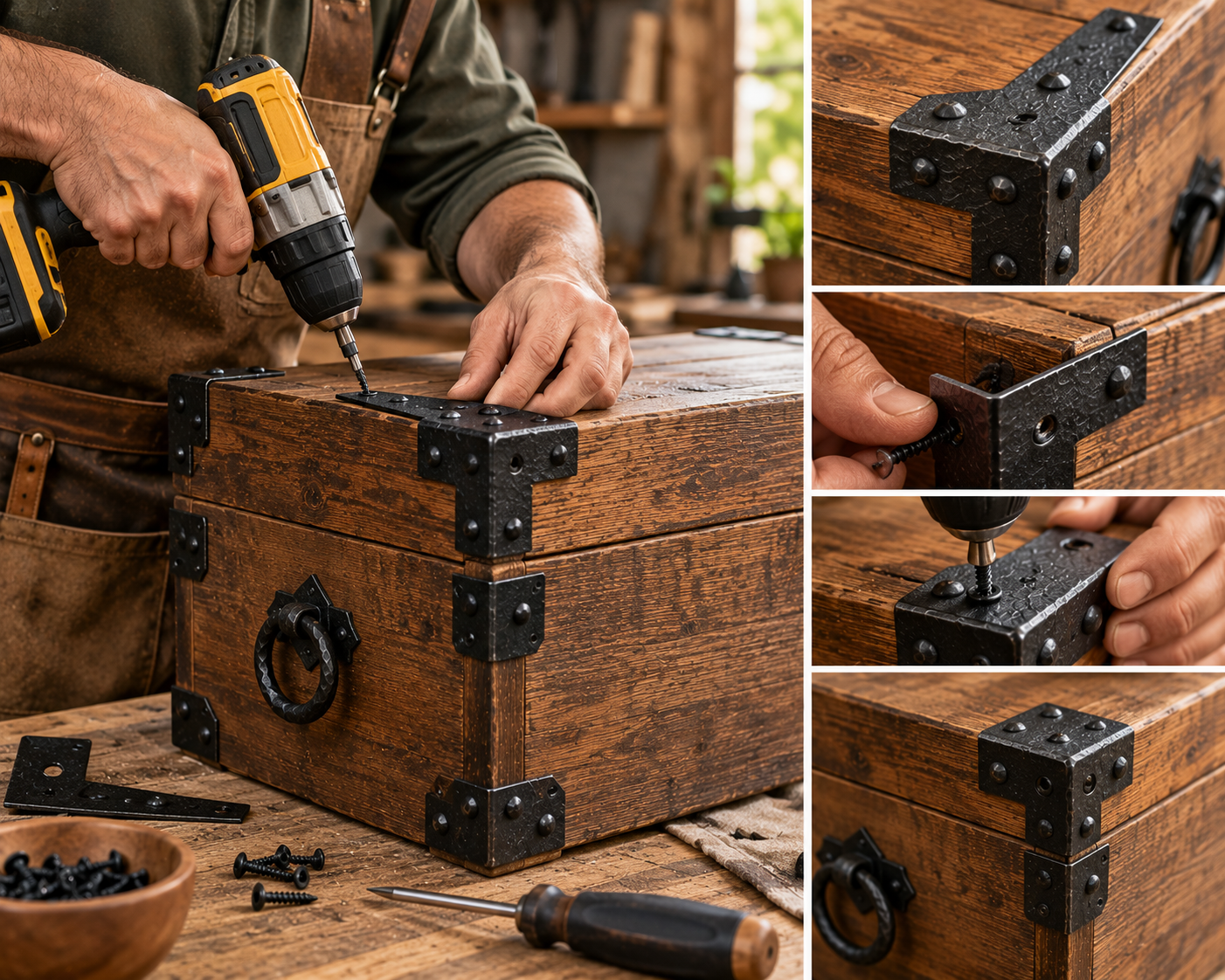
A metal corner strap, sometimes called a corner protector or corner guard, is a piece of hardware that wraps a corner or edge to reinforce it against impact and wear, while also adding decorative, hand-forged detail. They show up on furniture, trunks, doors, gates, and tables, anywhere a corner takes regular contact and needs both protection and visual finishing. The best ones do both jobs at once: real structural reinforcement, not just a decorative overlay. It's easy to treat corner hardware as purely aesthetic, especially once it's mounted and just looks like a design detail. But the reason corners fail on furniture and trunks in the first place is repeated contact and stress, exactly what a properly made corner strap is built to absorb. This has become one of our strongest-performing product categories, and for good reason: corners are genuinely one of the most vulnerable points on any piece of furniture or hardware, whether it's a trunk that gets dragged across a floor or a gate corner that takes wind stress every day. Getting this piece of hardware right pays off in ways that are easy to overlook until a corner without protection actually gets damaged. If you're deciding between a T-strap, L-strap, or corner protector shape, our comparison guide covers that decision in detail. If you already know the shape and just need to size it correctly, our sizing guide walks through measurements. This guide focuses on a different question: what actually makes one corner strap better built than another.
thicker iron holds its shape under real impact, while thin, lightweight metal can bend or deform over time, especially on pieces that get regular use.
hand-forged pieces are worked to hold their shape under stress; stamped or cast alternatives can look similar but often perform differently under actual pressure.
a corner strap that only touches the very tip of a corner offers far less real protection than one that wraps a meaningful portion of both adjoining edges.
more screw points generally means a more secure, longer-lasting hold, particularly on pieces that get moved or handled often.
trunks, chests, tables, and cabinets where corners take the most contact during regular use and moving.
often paired with hinge straps and clavos, reinforcing panel corners while tying the hardware set together visually.
particularly on outdoor or high-use tables, where corner impact from chairs and daily contact is a real, ongoing concern.
historically the most functional application, corners on a well-used trunk see more abuse than almost any other part of the piece.
Not every corner strap needs to be heavy-duty. A cabinet door accent or a decorative touch on furniture that won't take real wear can use a lighter, thinner strap without any functional downside. The distinction matters most when a corner is genuinely load-bearing or high-contact, gate corners, trunk edges, tabletop corners, where under-building the hardware means it'll fail well before the rest of the piece does.
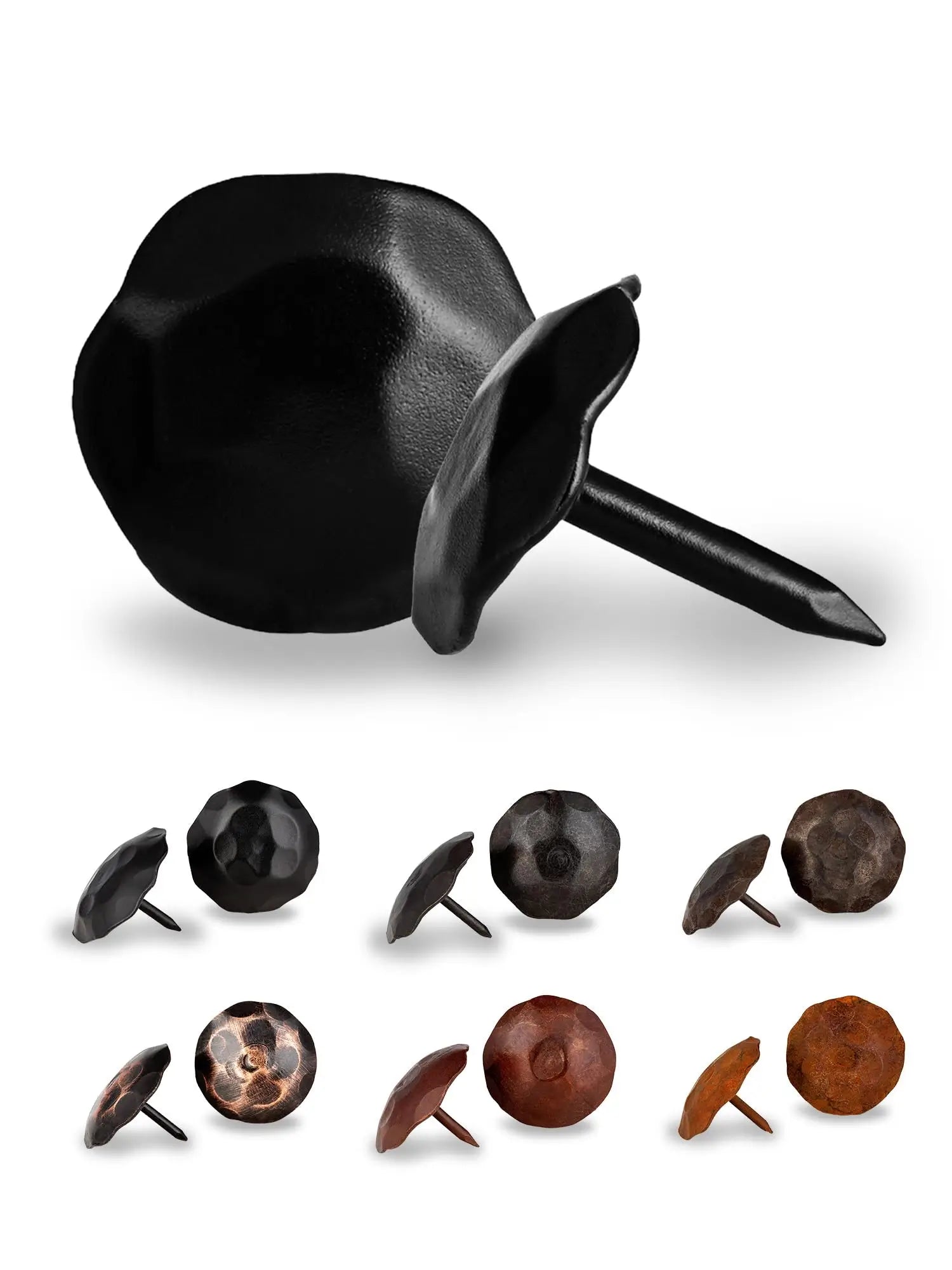
Black finishes with a rust-resistant coating are the most versatile choice, working equally well indoors and outdoors, and providing the strongest visual contrast against most wood tones. Oil-rubbed bronze and natural iron develop character over time and suit pieces meant to look aged or heirloom-quality from the start. Rusted and sealed-rusted finishes skip that waiting period entirely, giving new hardware an already-weathered look, a common choice for pieces meant to read as reclaimed or antique.
confirm the strap sits flush against both adjoining surfaces before committing to any pilot holes.
a strap with four screw holes should get four screws, skipping points to save time weakens the hold significantly.
consistency across a piece matters more than any individual measurement; mismatched corners read as an error even when each one looks fine alone.
Are corner straps just decorative, or do they actually protect corners?
Both, when properly made. A well-built corner strap in solid, hand-forged iron genuinely reinforces a corner against impact, not just visually suggests protection.
What's the difference between a corner strap and a corner bracket?
The terms are often used interchangeably. "Corner strap" sometimes implies a more decorative, wrap-around style, while "bracket" can lean toward a more structural, angular piece, but there's no strict industry-wide distinction.
How do I know if a corner strap is heavy-duty enough for my project?
Check the material gauge and how much of the corner it actually covers. A strap that wraps a meaningful portion of both edges, in solid iron rather than thin stamped metal, is built for real use rather than decoration alone.
Can corner straps be used on both indoor and outdoor furniture?
Yes, as long as the finish includes a rust-resistant coating for outdoor use. Indoor pieces have more flexibility with finish, since weather isn't a factor.
Every corner strap and protector we make is hand-forged solid iron, built to actually hold up to real use. Browse our corner straps collection to find the right fit for your project.