Cart
0
You may also like
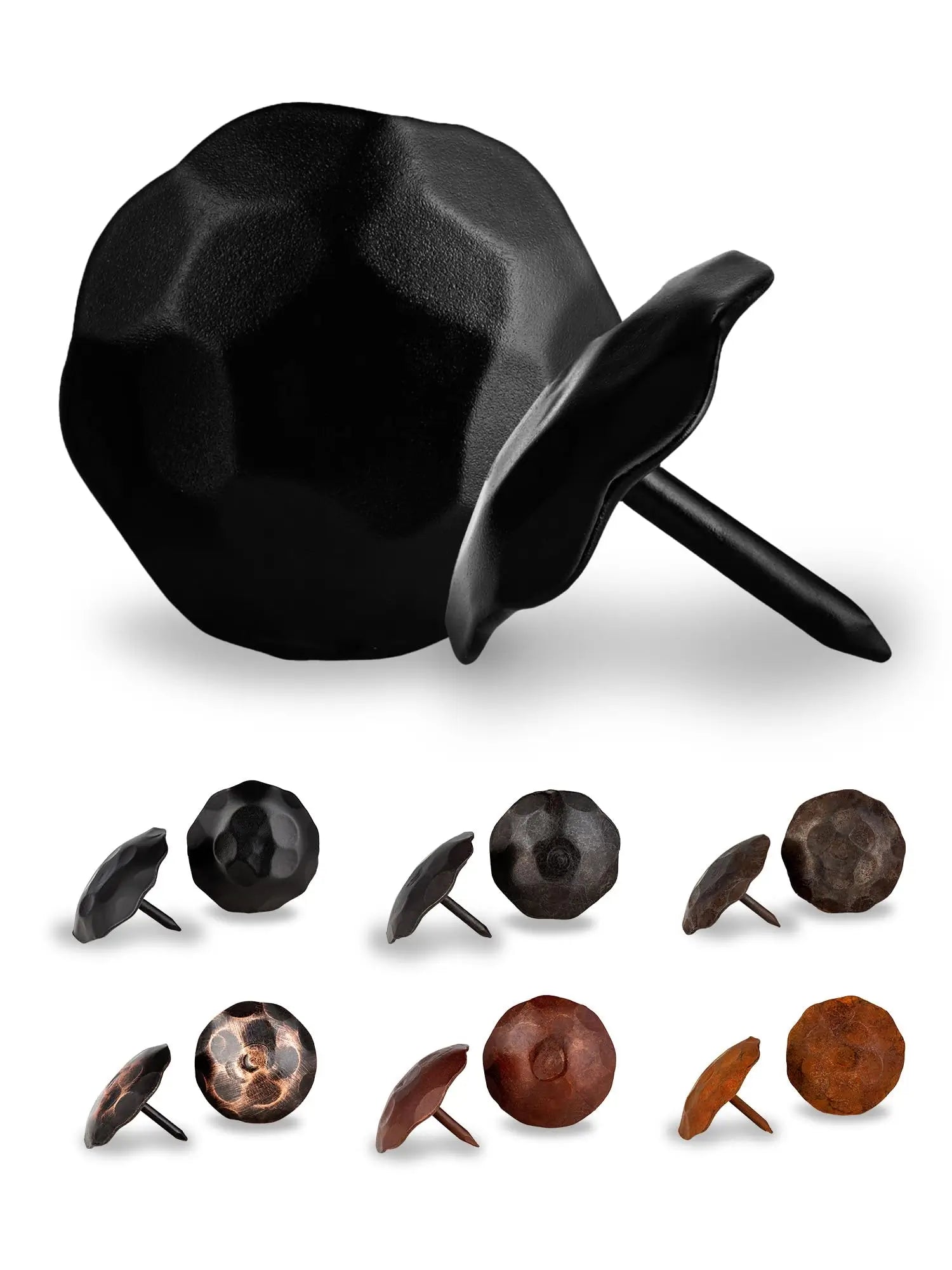
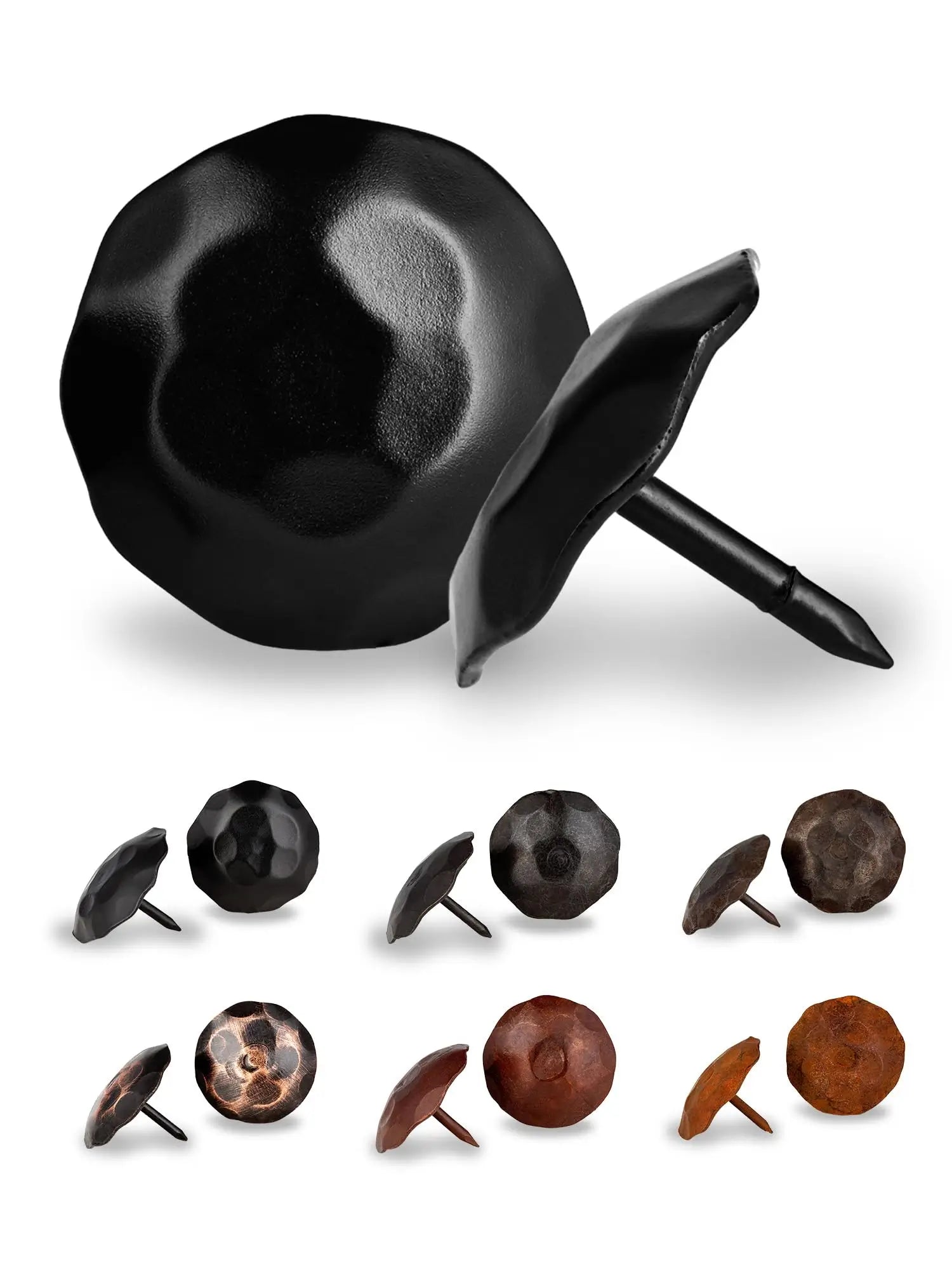
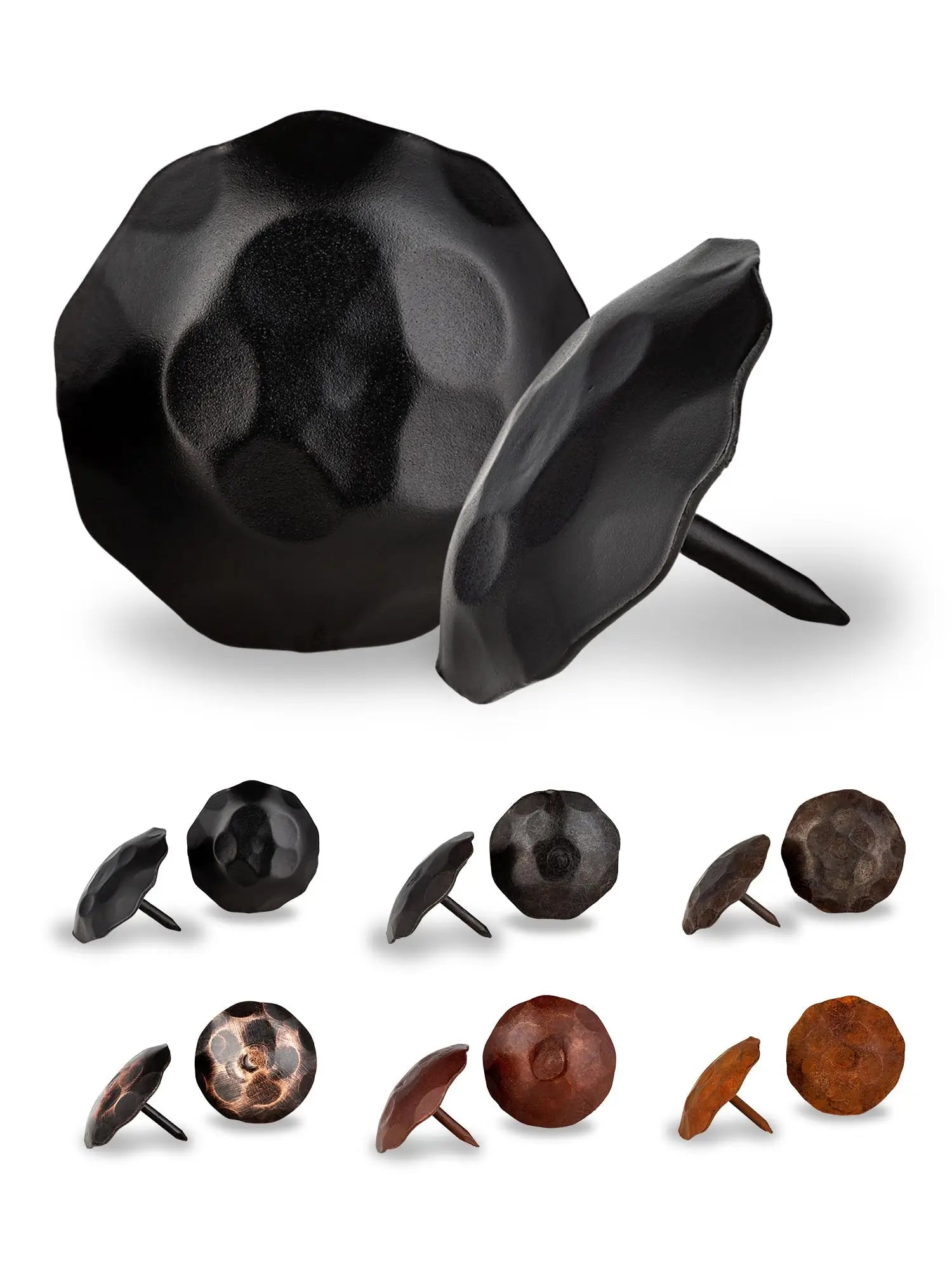
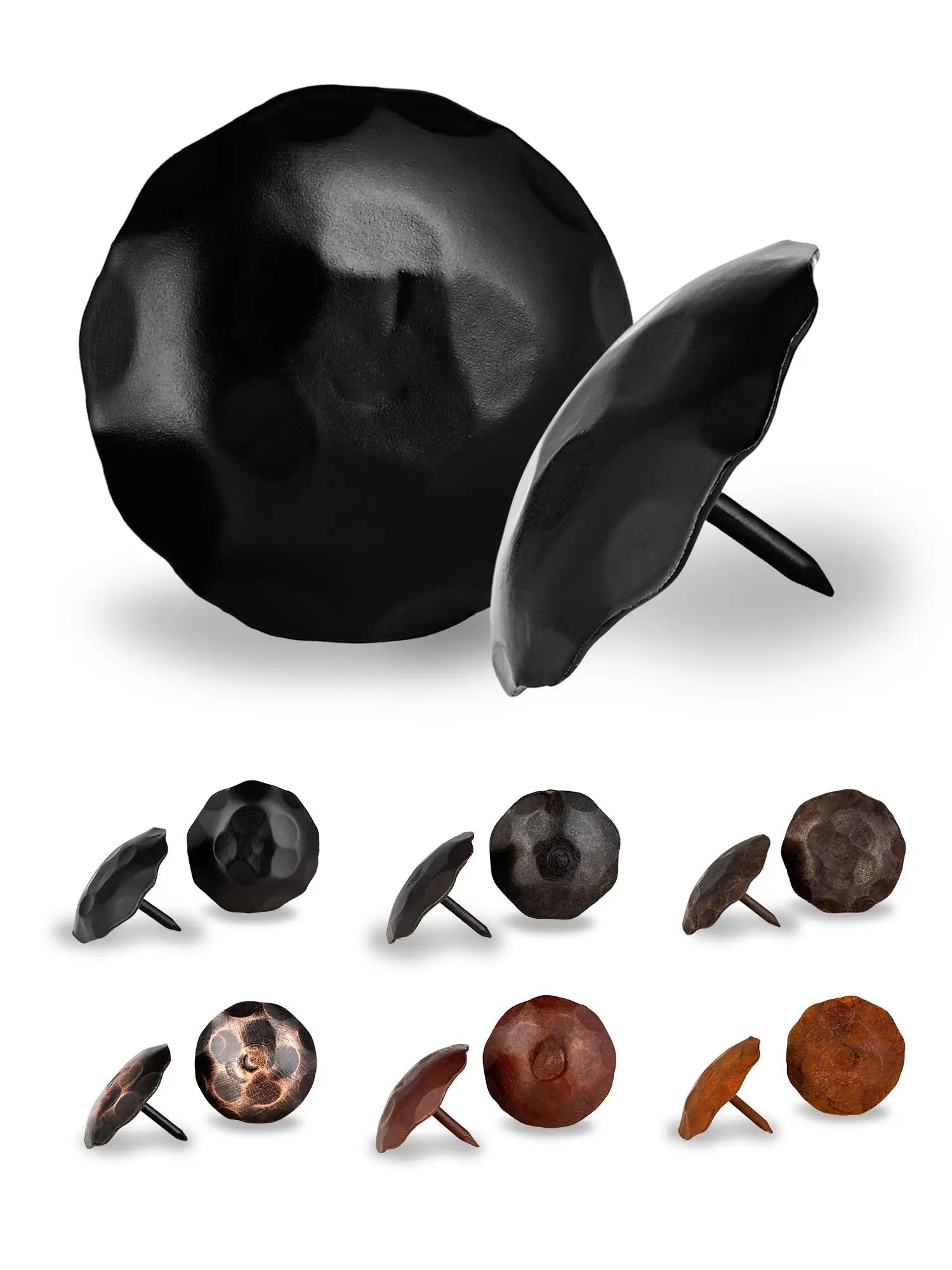


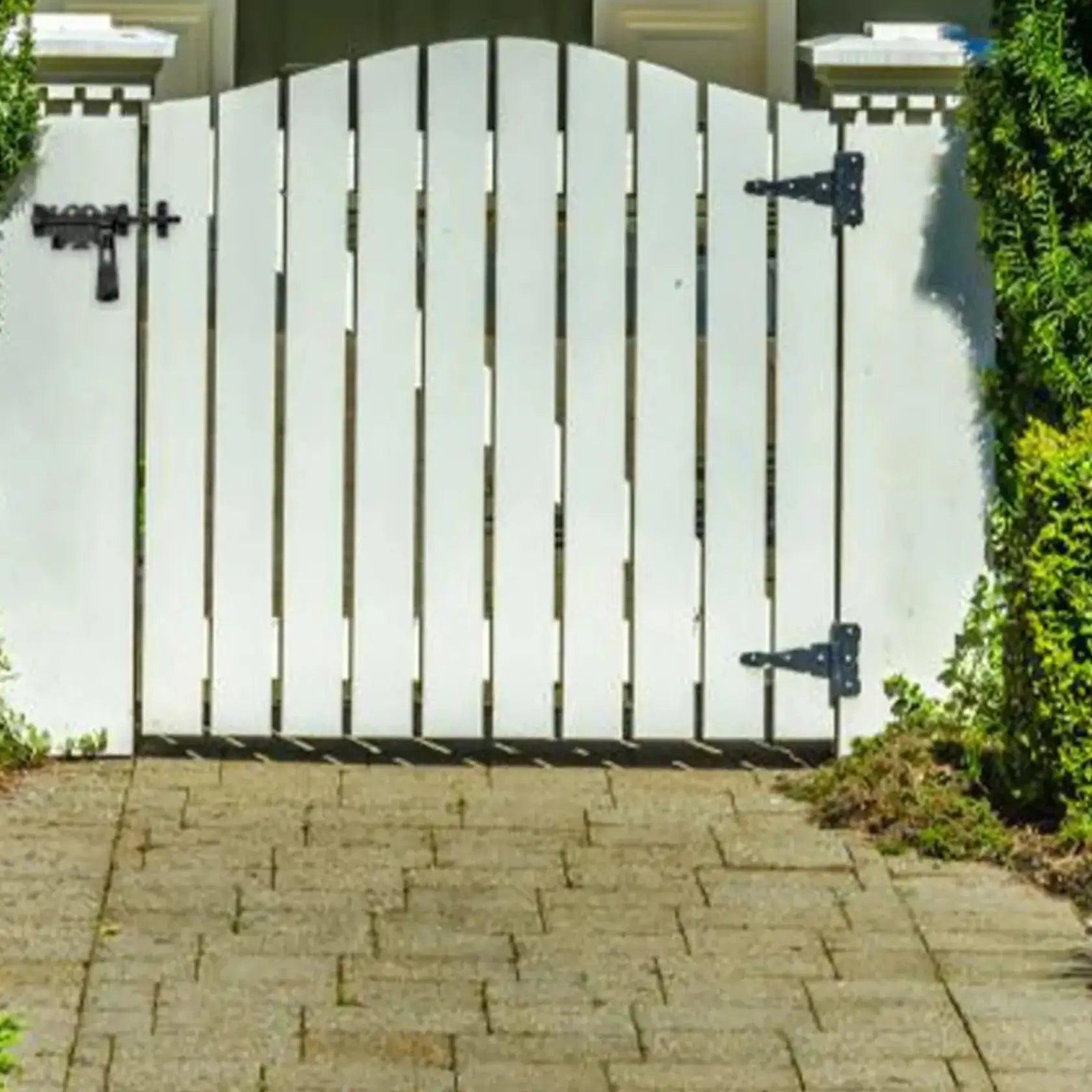
A slide bolt latch is a metal bar mounted in a sleeve that slides into a separate catch, or keeper, to hold a door, gate, or cabinet closed. It's one of the simplest, most reliable latch designs available, no springs, no pivoting mechanism, just a solid bar moving in a straight line. That simplicity is exactly why it's held up as a standard hardware choice for centuries: fewer moving parts means fewer things that can wear out or fail. Slide bolts show up everywhere, gates, sheds, cabinets, barn doors, because the mechanism scales well. A small version secures a cabinet door; a heavier-gauge version holds a gate or shed door against real use.
The mechanism has two parts: the barrel, a sleeve mounted to the door or gate that holds and guides the bolt, and the keeper, a separate bracket mounted to the frame or post that the bolt slides into. Sliding the bolt into the keeper locks the door in place until it's manually pulled back. A quick technical breakdown of the mechanism is worth a look if you want the full picture of how the parts fit together.
a straightforward way to secure a gate that's only accessed from one side.
heavier-duty slide bolts are common here, often paired with a padlock for real security.
smaller slide bolts secure cabinet doors from the inside, particularly on double-door cabinets where one side needs to stay fixed.
used where a simple, visible locking mechanism fits the overall hardware style better than a hidden modern latch.
A slide bolt is a one-way latch, it opens from whichever side the bolt is mounted on. If you need a gate that opens from both sides, a thumb or two-way latch is a better fit. Slide bolts earn their place specifically where single-side access is fine and simplicity and reliability matter more than two-way convenience.
Slide bolts are sized by bolt length, and the right length depends on the job. Light-duty applications, cabinets, small gates, work fine with shorter bolts in the 3"-4" range. Gates, sheds, and anything taking regular outdoor use hold up better with a longer, heavier-gauge bolt, typically 6" or more, since a longer bolt engages more deeply into the keeper and resists being forced open.
A basic slide bolt only holds a door or gate closed, it doesn't lock in the security sense. For real security, look for a slide bolt with a built-in padlock loop or hasp, which lets a padlock physically block the bolt from sliding back. This is standard on most heavy-duty slide bolts and worth prioritizing for sheds, gates facing the street, or anywhere access actually needs to be restricted, not just closed.
Since slide bolts are almost always mounted outdoors or in exposed locations, sheds, gates, barn doors, material quality matters more here than on hardware that stays protected indoors. Hand-forged iron with a rust-resistant coating holds up better under repeated use than lighter stamped alternatives, particularly on the bolt itself, which takes direct friction every time it's operated. A bolt that's too thin or lightly finished tends to develop play or stick over time, exactly the failure point that defeats the whole purpose of a simple, reliable latch.
a light-duty bolt on a heavy gate or shed door won't hold up to real use, even if it works fine on day one.
marking the keeper position before the gate has settled into its final hung position often results in a bolt that binds or doesn't fully engage.
without a padlock option, a slide bolt is a latch, not a lock. Don't rely on one for anything that actually needs restricted access.
attach it to the door or gate at a comfortable height, keeping it level.
slide the bolt out to its extended position and mark exactly where it lands on the frame or post.
secure it at the marked position, checking that the bolt slides in smoothly without forcing.
open and close the gate several times to confirm alignment holds under normal use, not just on the first try.
Can a slide bolt be locked?
On its own, a basic slide bolt just holds a door closed. For real locking security, choose a version with a built-in padlock loop or hasp.
What size slide bolt do I need for a gate?
For gates and outdoor use, a 6" or longer, heavier-gauge bolt holds up better than shorter light-duty versions meant for cabinets or interior use.
Can slide bolts be opened from both sides?
No, slide bolts are one-way by design. If both-side access is needed, a thumb latch or two-way latch is the better choice.
Are slide bolts weatherproof?
Hand-forged iron slide bolts with a rust-resistant finish are built for continuous outdoor exposure, standard for gate and shed applications.
Every slide bolt we make is hand-forged solid iron, built to hold up to daily use. Browse our latches and bolts collection to find the right fit for your gate, shed, or cabinet.