Cart
0
You may also like
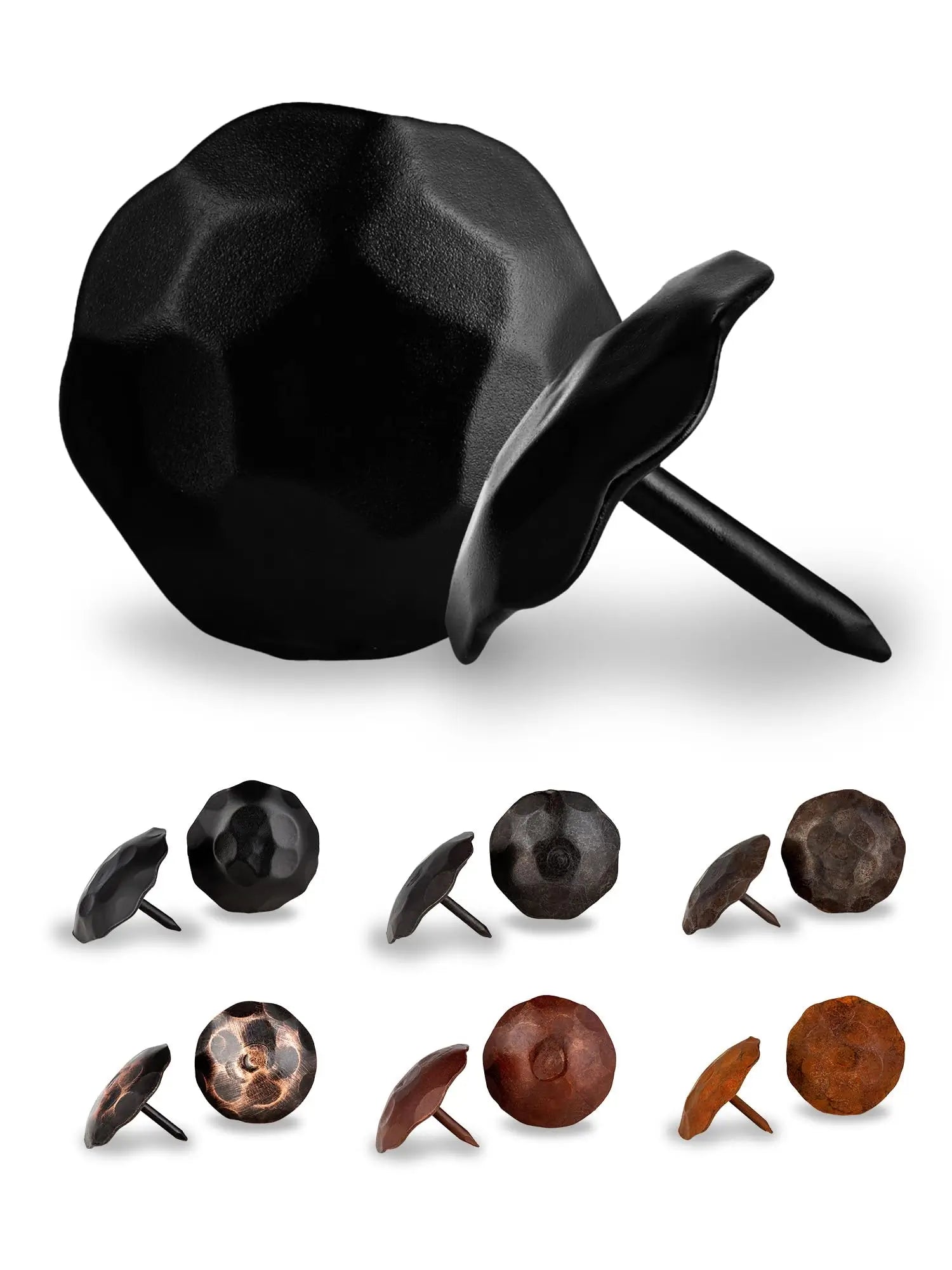
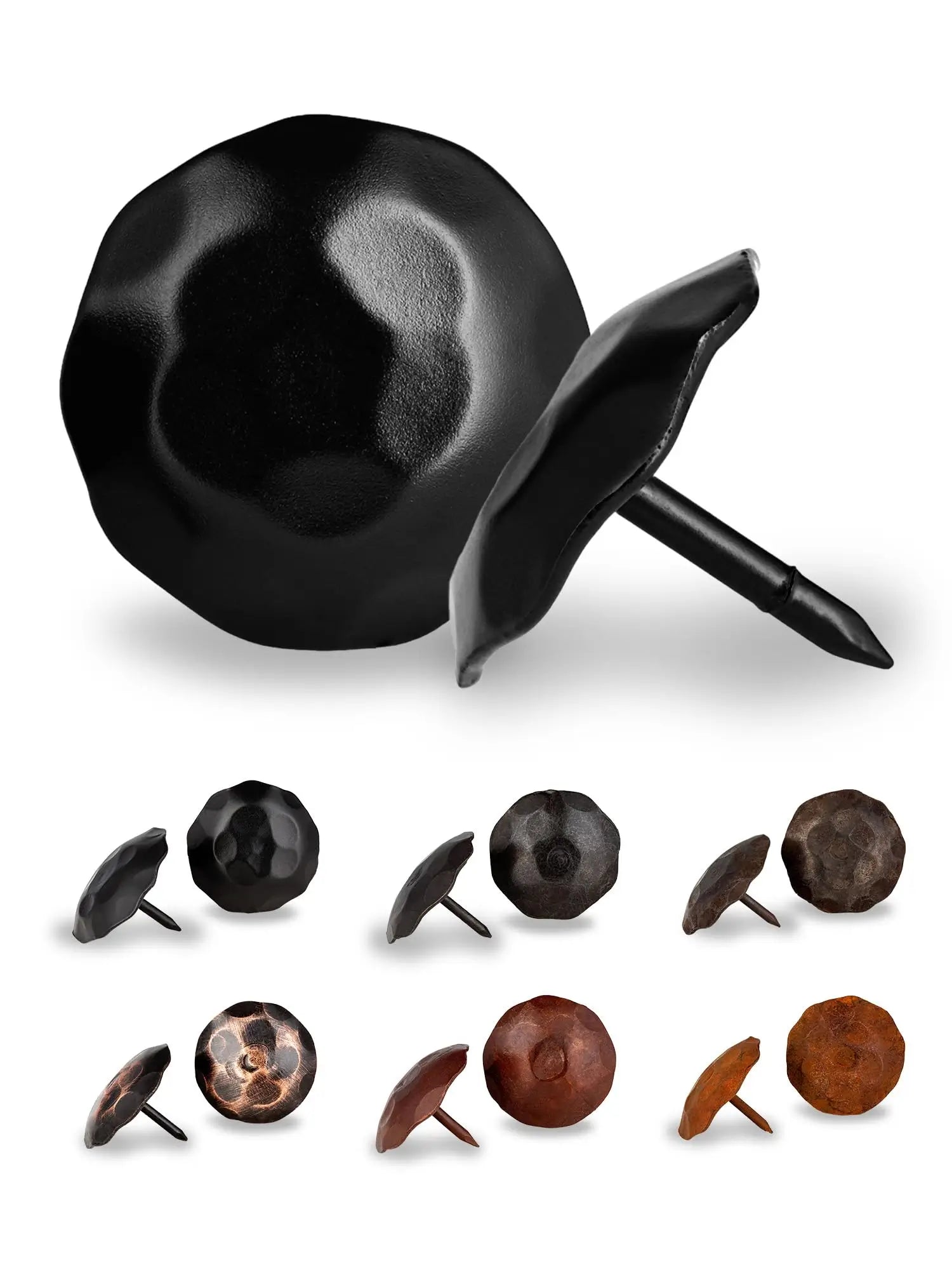
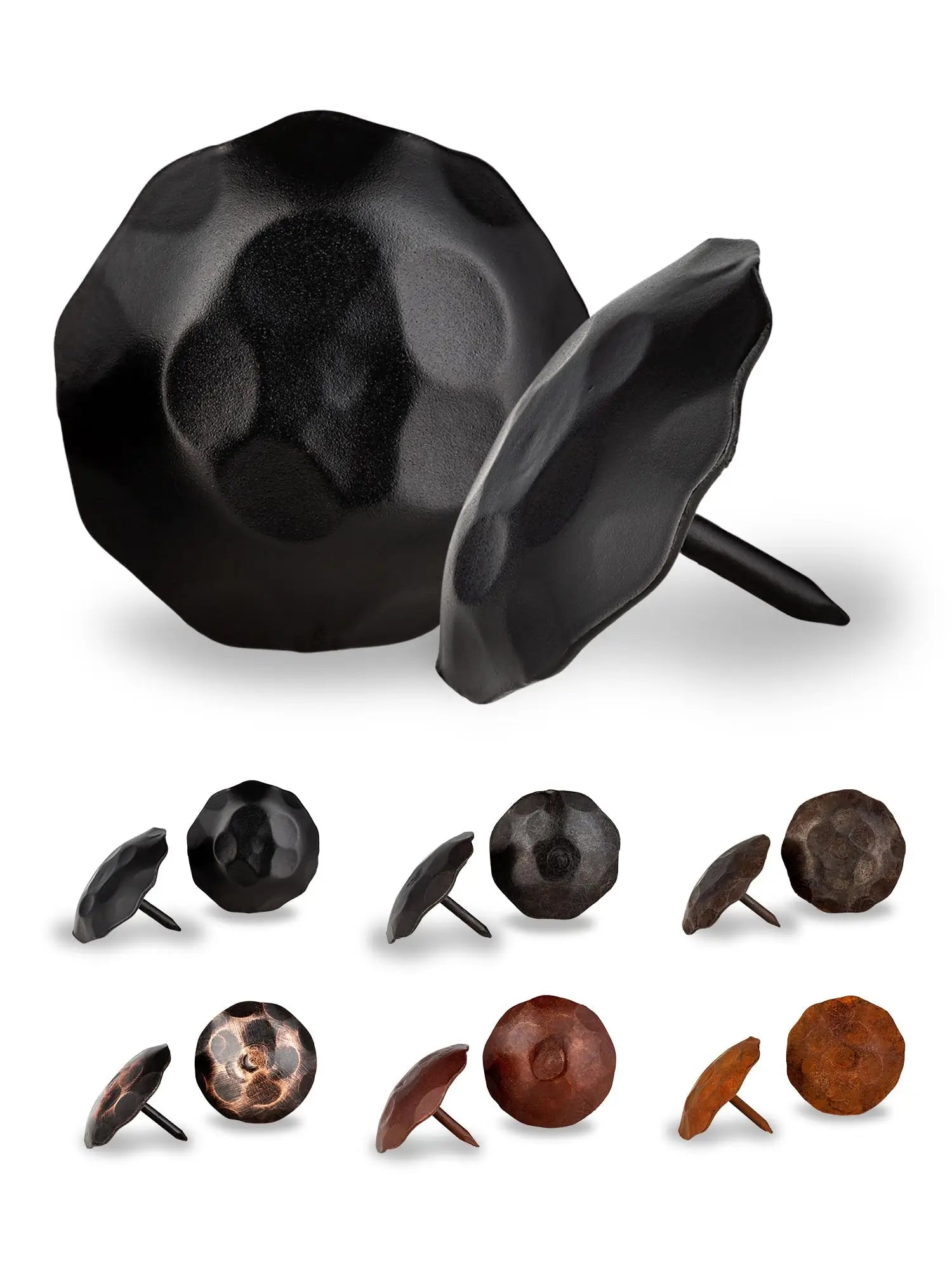
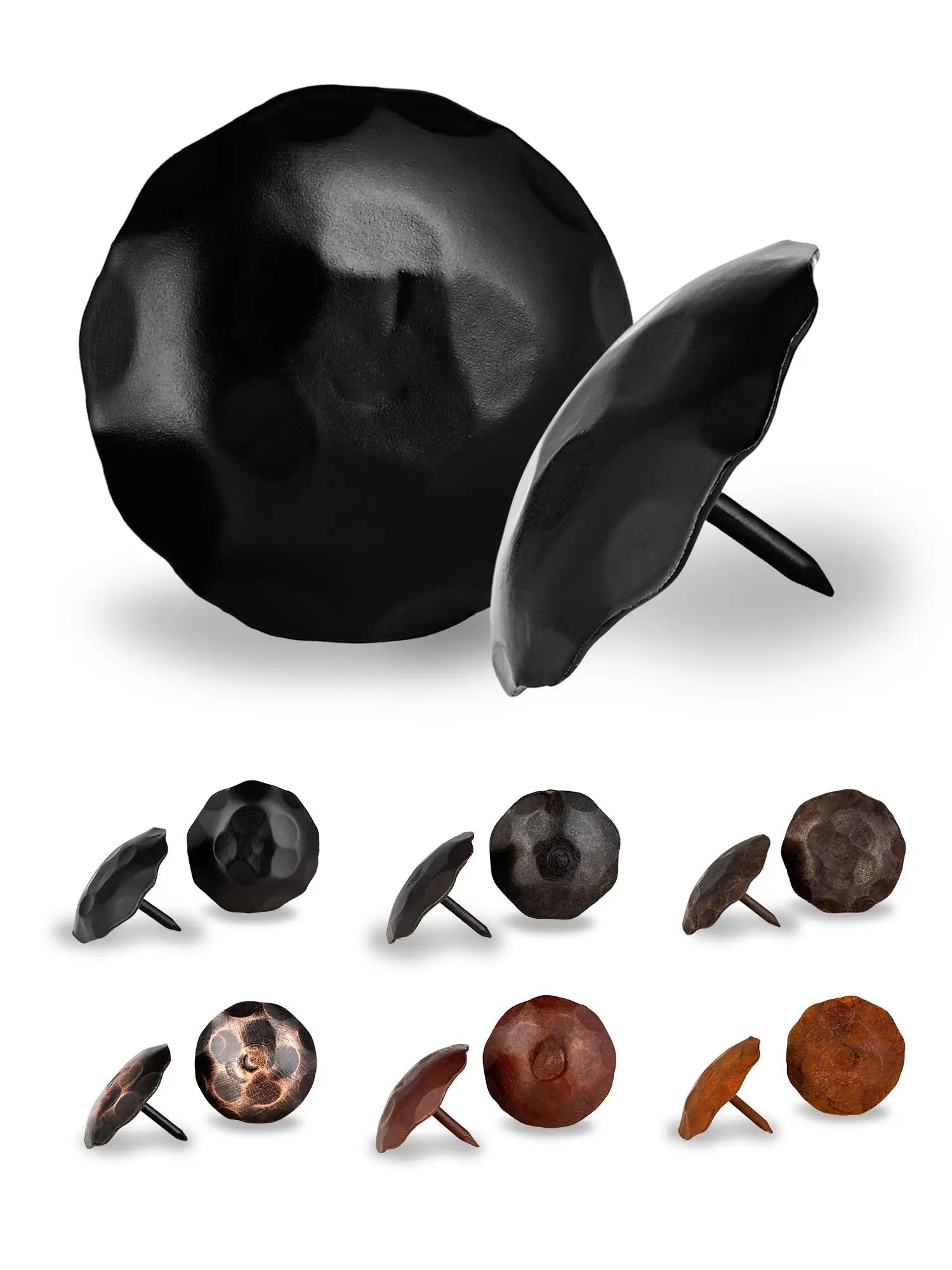


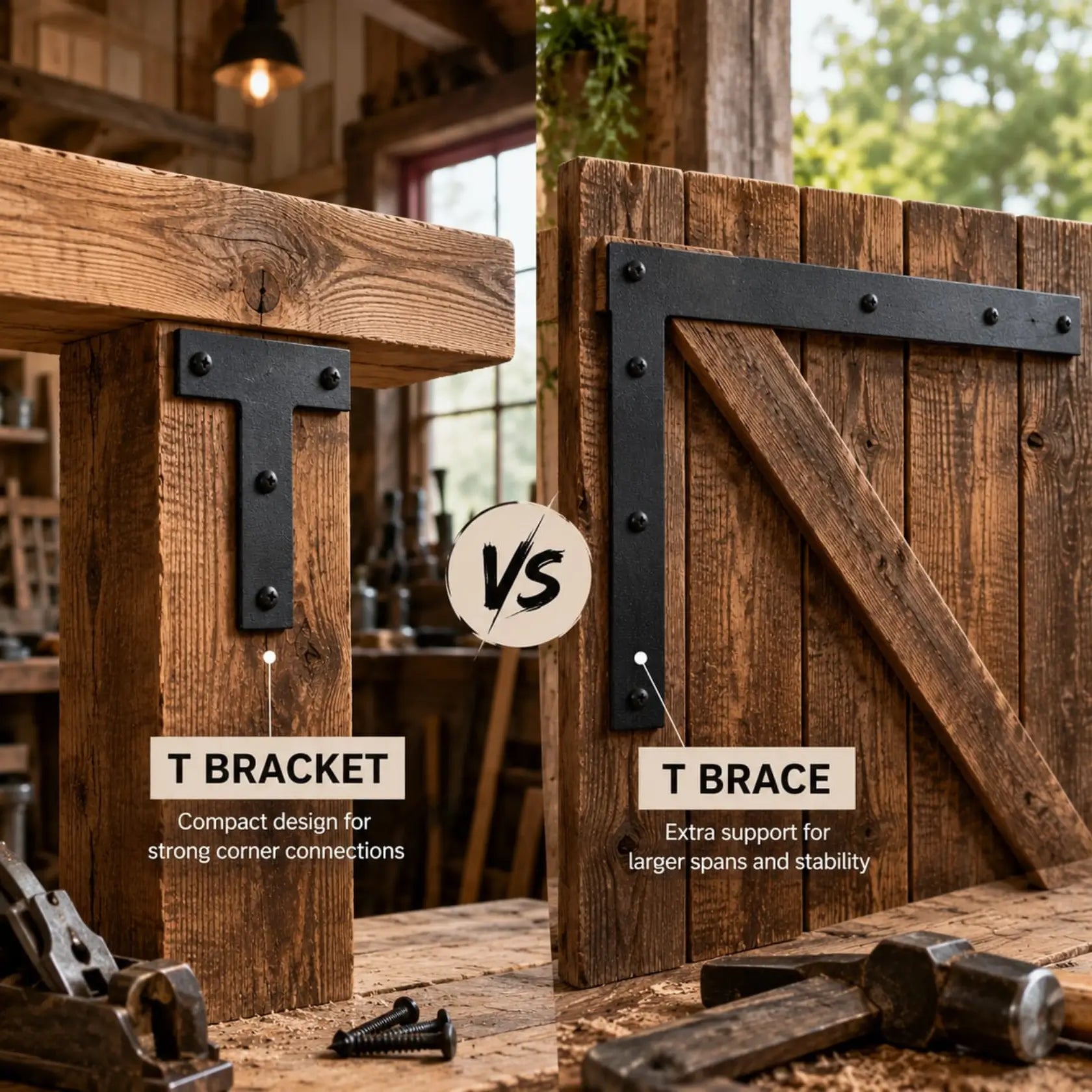
A T bracket, or T brace, is a T-shaped piece of hardware used to reinforce a joint where one piece of wood or metal meets the middle of another, rather than at a corner. That's the key difference from an L bracket: an L bracket handles two edges meeting at a 90-degree angle, while a T bracket handles a connection at a mid-span intersection, like a rail meeting the center of a door panel, or a support meeting the middle of a beam.
It's a less commonly understood piece of hardware than a corner bracket, mostly because corners are more visually obvious than mid-span joints. But anywhere two pieces meet in a T-shaped intersection rather than a corner, a T bracket is doing a job an L bracket simply isn't built for. This is easy to overlook when planning a door, gate, or shelving project, corners get all the attention, while mid-span joints quietly do just as much structural work. A panel that flexes or a rail that loosens over time is often failing at exactly this kind of center intersection, not at a corner.
A L bracket reinforces a corner, two edges meeting at a right angle, and its strength comes from tying those two edges together. A T bracket reinforces a center intersection, one piece running straight through, with a second piece meeting it in the middle rather than at an end. Because the joint isn't at an edge, a T bracket needs to distribute force in more directions than an L bracket does, which is part of why the shape looks the way it does: a long spine with a perpendicular crossbar.
reinforcing where a horizontal rail meets a vertical stile in the middle of a panel, rather than at a corner.
securing where a horizontal rail meets a fence post at a point other than the post's end.
reinforcing a center support beam or divider that meets a larger panel mid-span rather than at the edge.
used purely for visual effect on doors and furniture where the T shape complements the rest of the hardware, even without a real structural intersection underneath.
T brackets are sized by the length of each arm, the long spine and the perpendicular crossbar, and both should be proportional to the surface they're reinforcing. As a general guide, the spine should extend far enough along the main piece to distribute load meaningfully, at least several inches on a door or gate application, while the crossbar should be sized to the width of the piece it's crossing. Undersized T brackets are a common mistake: a bracket that only touches the very center of an intersection provides far less real reinforcement than one that extends a meaningful distance along both directions.
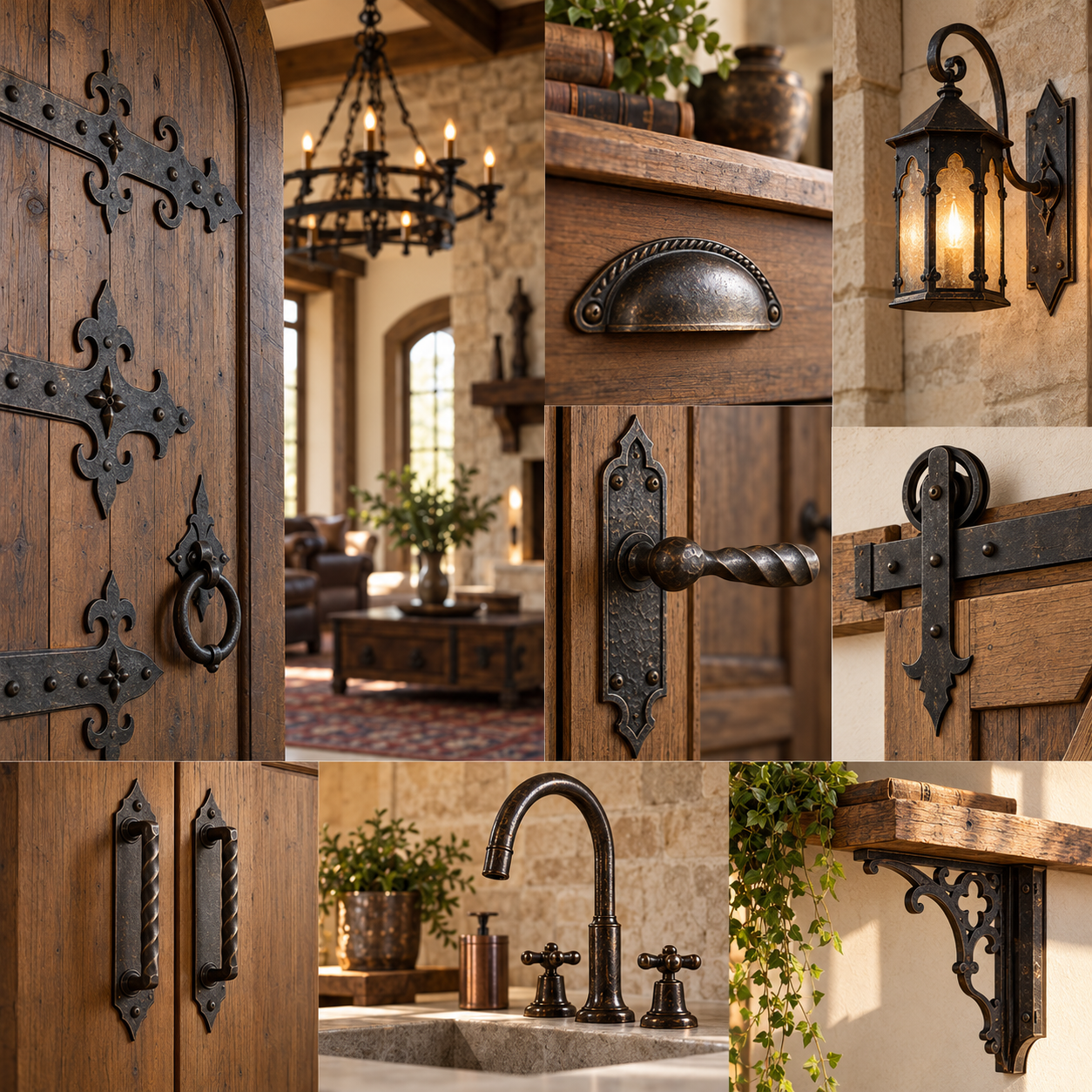
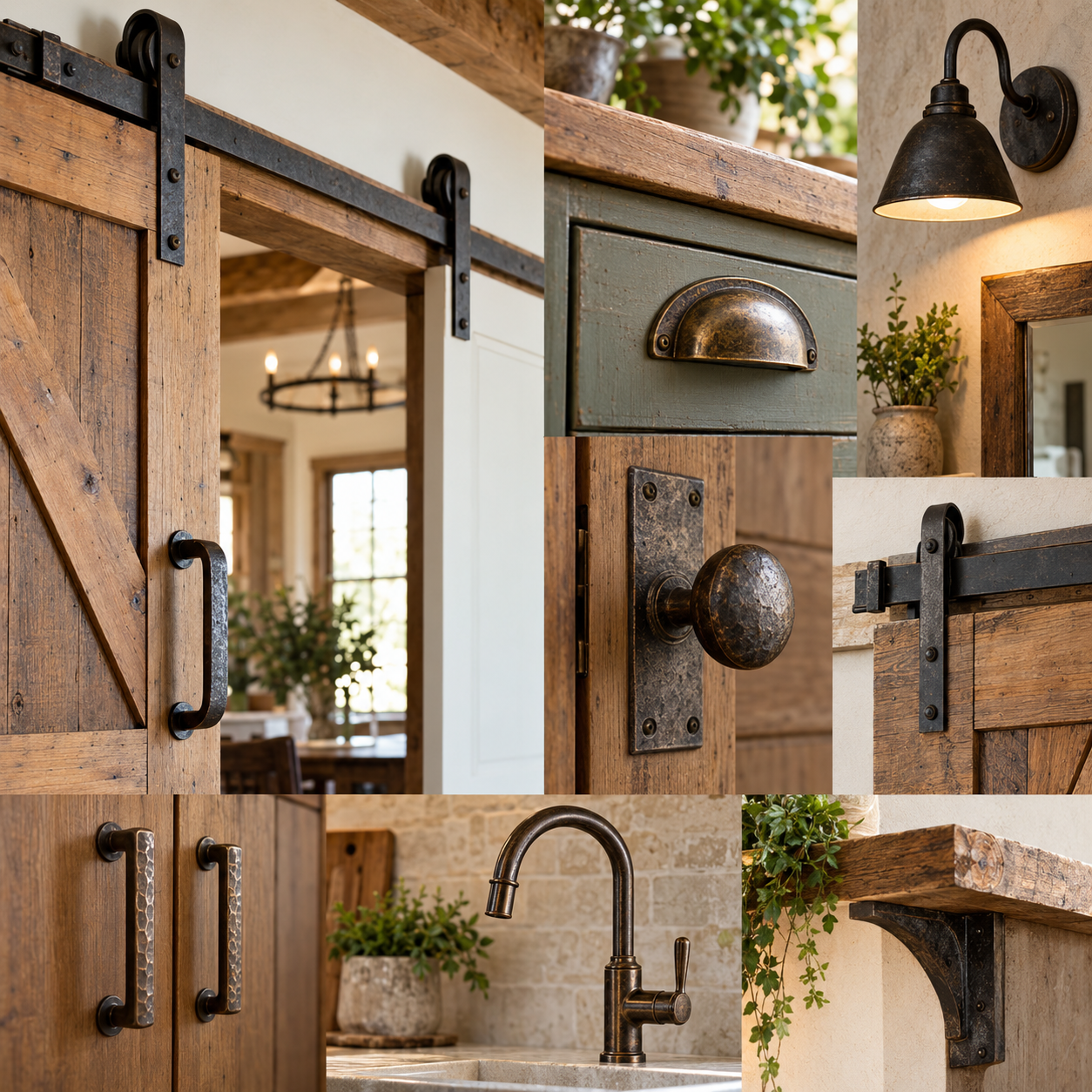
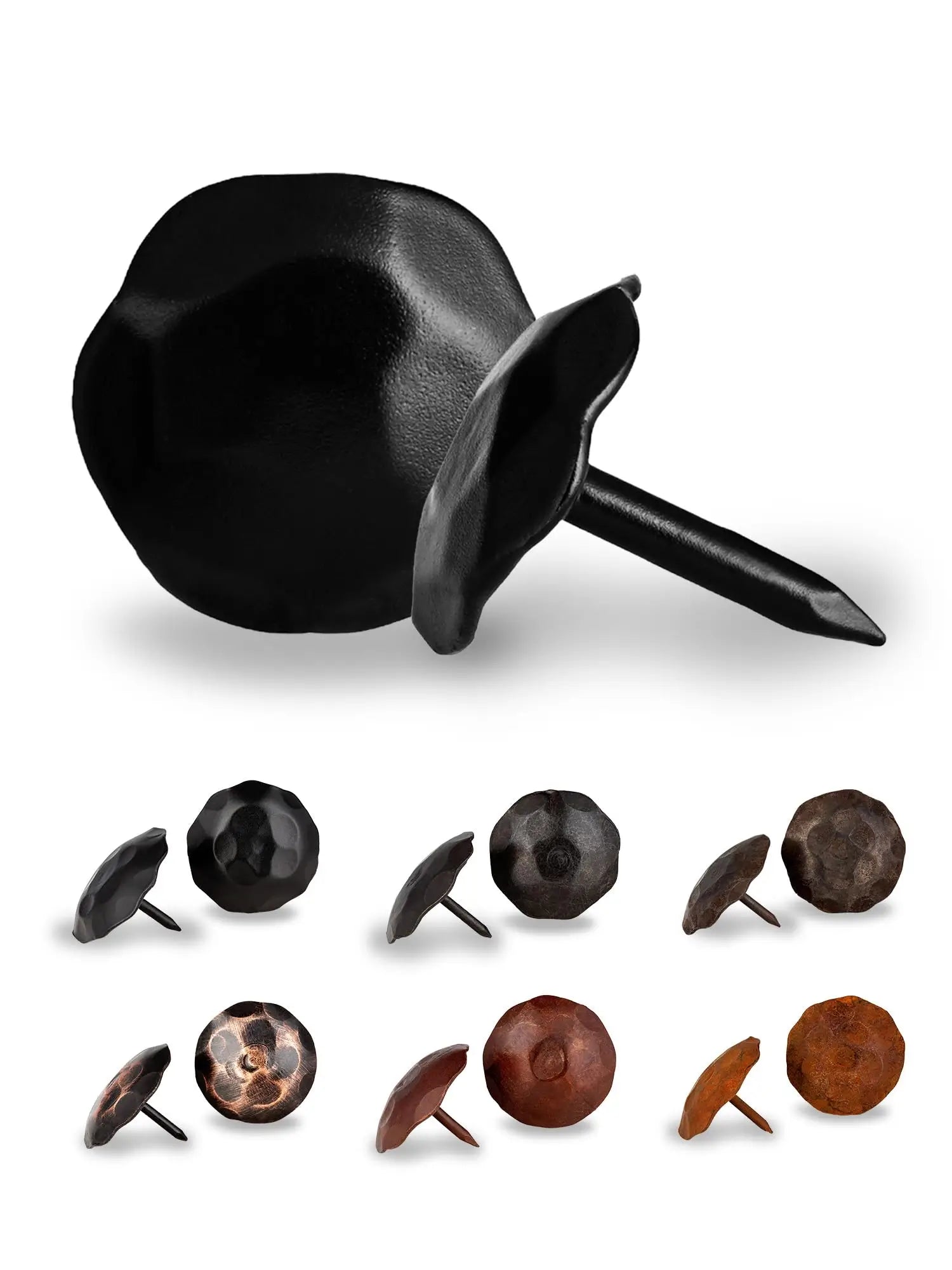
Like other decorative straps and brackets, T brackets come in a range of finishes, black, oil-rubbed bronze, rusted, and natural iron, and pair most naturally with whatever hinge straps, clavos, or corner hardware are already on the same piece. Since T brackets are often used alongside strap hinges on doors and gates, matching finish and hammered texture across all the hardware keeps the whole piece looking like a coordinated set rather than individually sourced parts.
T brackets install the same way most decorative straps do, but placement matters more here than with corner hardware, since the whole point is aligning it to an actual mid-span intersection.
confirm exactly where the rail or support meets the panel before marking anything, since a T bracket mounted off-center from the real joint looks like an error rather than reinforcement.
the crossbar should straddle the joint evenly on both sides, not be offset toward one direction.
T brackets typically have more screw holes than a simple L bracket, given the additional arm, so plan for a few extra pilot holes.
since T brackets are often visible, decorative elements as much as structural ones, step back and confirm the placement looks balanced before finalizing.
What's the difference between a T bracket and a T brace?
The terms are generally used interchangeably. Both describe a T-shaped piece of hardware used to reinforce a mid-span intersection rather than a corner.
Can I use a T bracket instead of an L bracket?
Not for the same job. L brackets are built for corners, where two edges meet. T brackets are built for center intersections, where one piece meets the middle of another. Using the wrong shape for the joint reduces how much real reinforcement it provides.
Where are T brackets most commonly used?
Door and gate mid-rails, fence rail connections, and furniture or shelving supports that meet a larger panel away from its edges.
Are T brackets purely functional, or can they be decorative too?
Both. A well-made T bracket does real structural work, but the shape is also used purely decoratively on doors and furniture, particularly when it complements existing hinge straps or corner hardware.
Hardware Built for Real Joints
Every T bracket we make is hand-forged solid iron, sized to actually reinforce the joint it's mounted on. Browse our T straps collection to find the right fit for your project.