Cart
0
You may also like


The right gate latch comes down to three things: which side of the gate you need to open it from, how much security you actually need, and whether the gate is exposed to weather. A simple bar latch works fine for a garden gate you only access from one side, but a driveway gate that needs opening from both sides, or a gate near livestock or a pool, needs something more deliberate. Get those three questions answered first, and the style decision gets a lot easier. Gate latches don't get much thought until one fails, and by then you're usually standing outside your own gate figuring out why it swung open in the wind. A latch is a small piece of hardware doing a bigger job than it looks like, so it's worth choosing on purpose instead of grabbing whatever's in stock.
Most gate latches fall into a handful of categories, each suited to a different kind of gate and use case.
a straightforward metal bar that slides into a catch. Simple, affordable, and easy to install, but generally a one-way operation, opened from whichever side the bar is mounted on.
a thumb-press mechanism on one side lifts a latch arm on the other, letting the gate open from both sides. Common on wooden gates and considered more of a decorative upgrade than a basic bolt.
a ring, usually mounted on both faces of the gate, lifts an internal latch arm when turned or pulled. Two-sided by design, and a common choice for barns and garden gates.
built specifically for gates that need full access from both the street and yard side, often the go-to for driveway and entry gates.
The type of gate you have narrows the choice down fast:
a bar latch is usually enough.
a two-way or thumb latch is worth the extra cost.
a ring latch is the traditional choice, and it holds up well to frequent, one-handed use.
usually need a drop bolt on one leaf in addition to the main latch, so the second gate has something to lock into.
Not every gate needs to be lockable, but it's worth thinking through before you buy rather than after. A basic bar or ring latch keeps a gate closed against wind and animals, but won't stop someone determined to open it. If security matters, look for a latch with a padlock loop or hasp built in, or a bar latch heavy enough that adding a padlock is straightforward. For gates near pools, this isn't just a preference, self-latching and self-locking hardware is often required by local code, so it's worth checking before you finalize a choice.
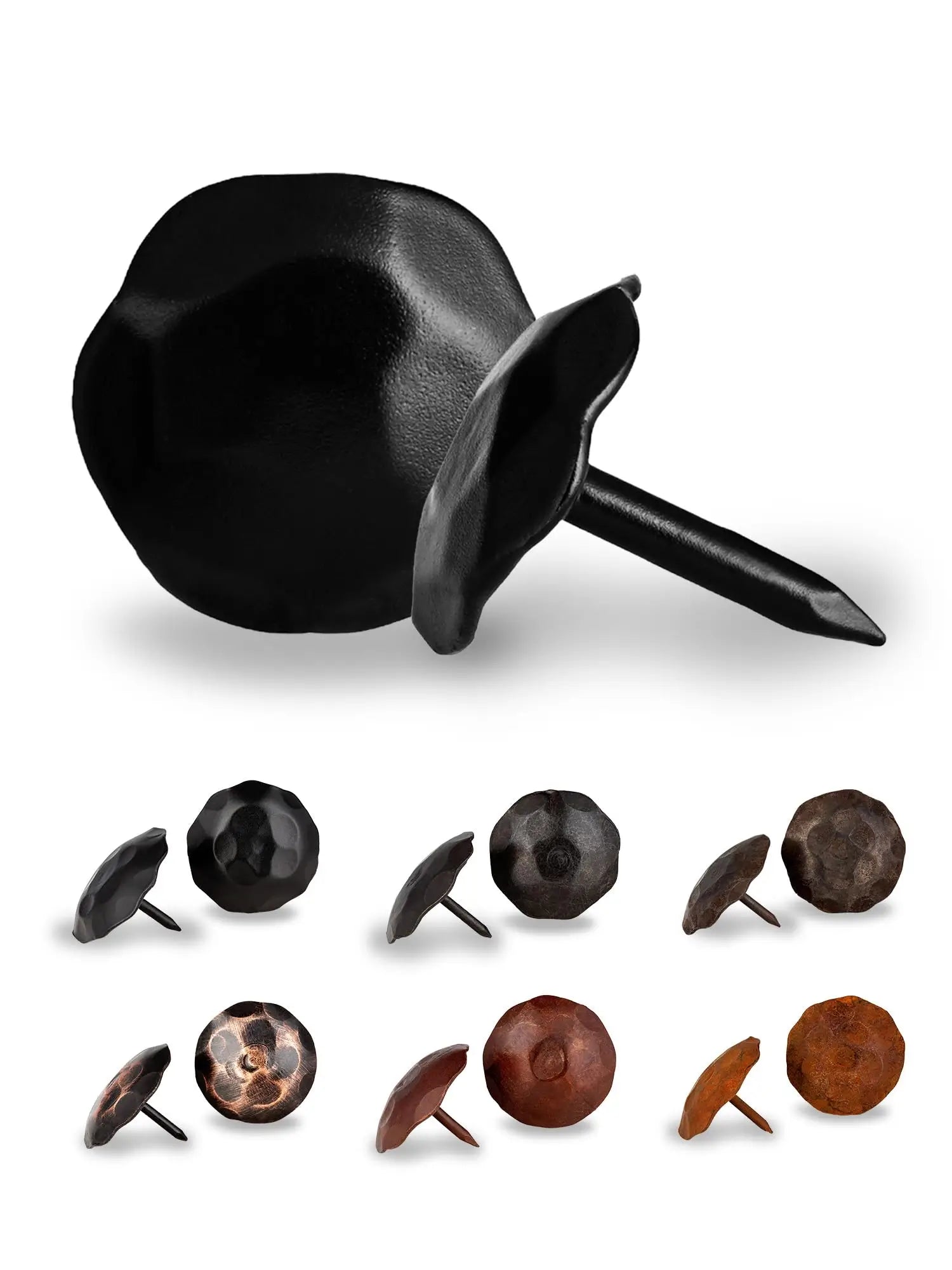
Any latch mounted outdoors is going to deal with rain, sun, and temperature swings, so material matters more than it might seem. Hand-forged iron with a rust-resistant black finish holds up well long-term and is the most common choice for exterior gates. Oil-rubbed bronze and rusted finishes work too, but check that they still carry a protective coating underneath if the gate sees real weather exposure, a finish that looks aged on day one should still be functional five years later.
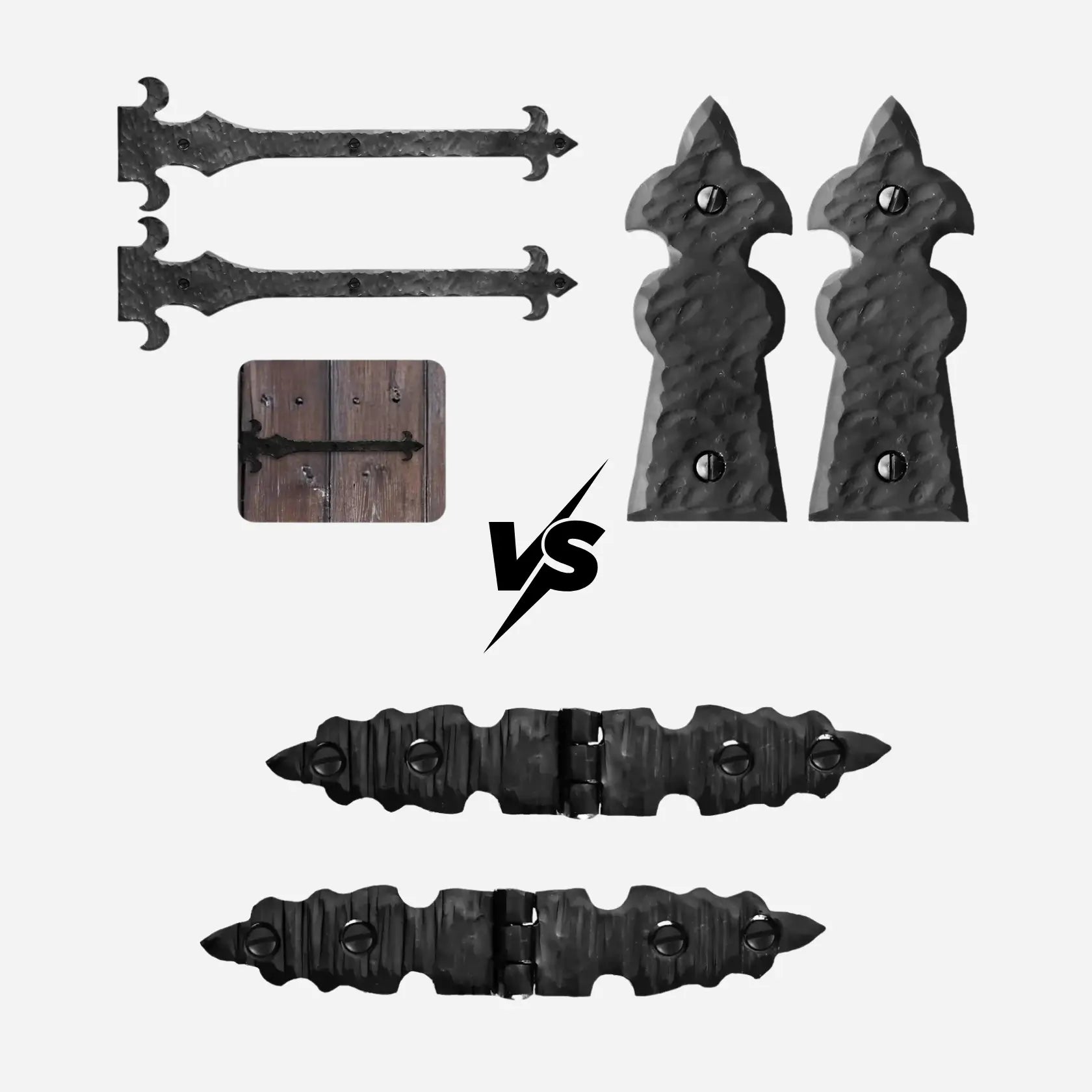
A latch only does half the job, the hinge is what actually holds the gate up and lets it swing. If you're building or upgrading a gate from scratch, pair your latch with a matching strap hinge in the same finish, so the whole gate reads as one coordinated piece of hardware rather than mismatched parts bought separately.
confirm whether your gate swings in, out, or both, since some latches only work one way.
typically 34"–38" from the ground for easy hand access, though barn and livestock gates sometimes sit lower.
this is the most common source of a latch that sticks or doesn't close cleanly.
a gate can shift slightly under its own weight once fully hung, so test the latch after the gate has settled, not just during install.
What's the difference between a bar latch and a thumb latch?
A bar latch is a simple slide bolt operated from one side. A thumb latch uses a press mechanism that lifts an arm on the opposite side, allowing the gate to open from both sides of the fence.
Can I use a gate latch on a double gate?
Yes. Double gates typically use a primary latch on one leaf and a drop bolt on the other, so the second gate has a fixed point to lock into when both are closed.
Are gate latches lockable?
Many are, or can accept a padlock through a built-in loop or hasp. If security is a priority, confirm this before buying rather than adding a workaround afterward.
What gate latch works best outdoors?
Hand-forged iron with a rust-resistant black finish is the most reliable long-term option for exterior gates exposed to weather.
Find the Right Latch for Your Gate
Every latch we make is hand-forged solid iron, built to hold up to daily use outdoors. Browse our gate latch collection or explore the full gate hardware line to pair it with hinges and accessories.