Cart
0
You may also like
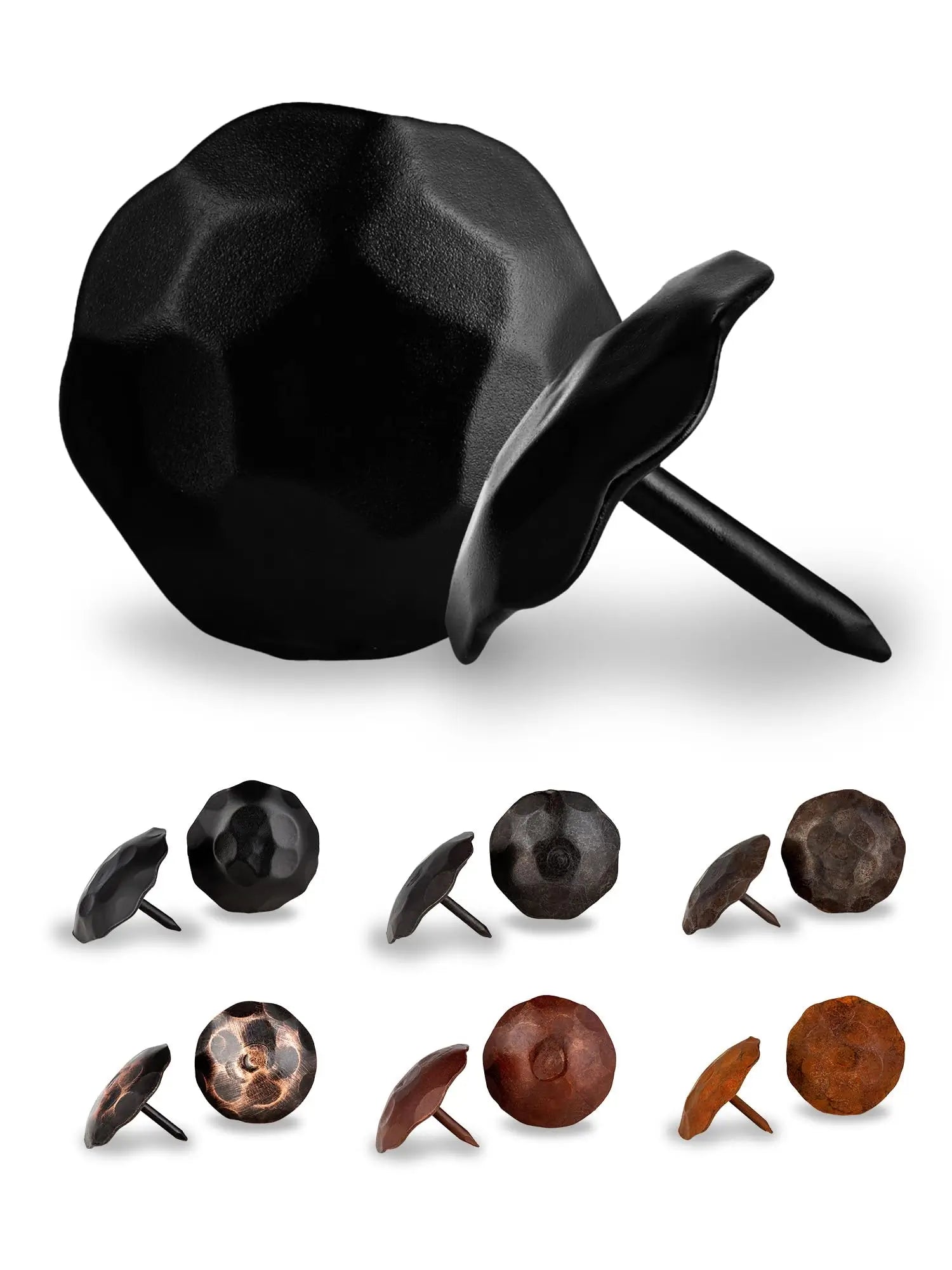
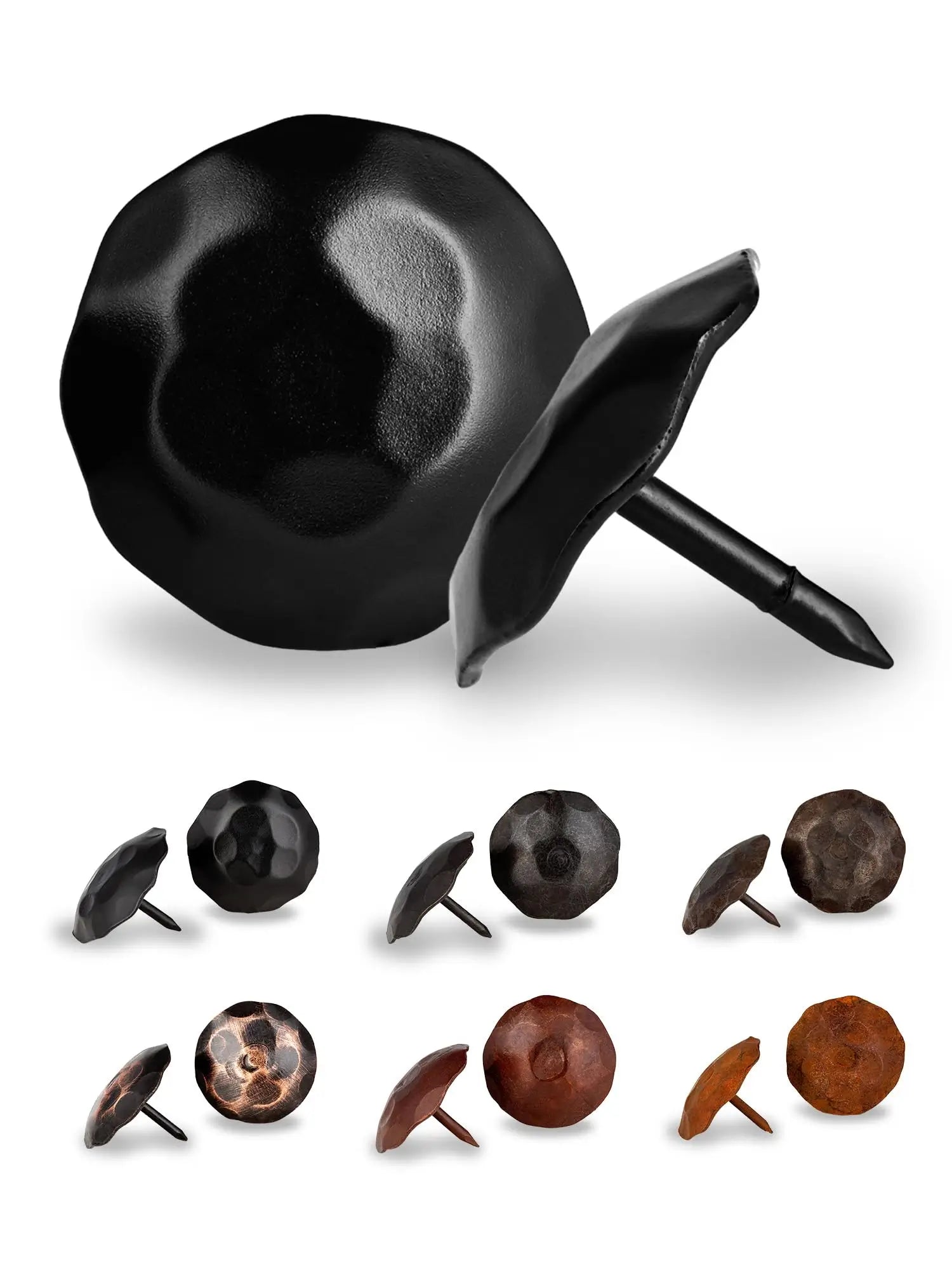
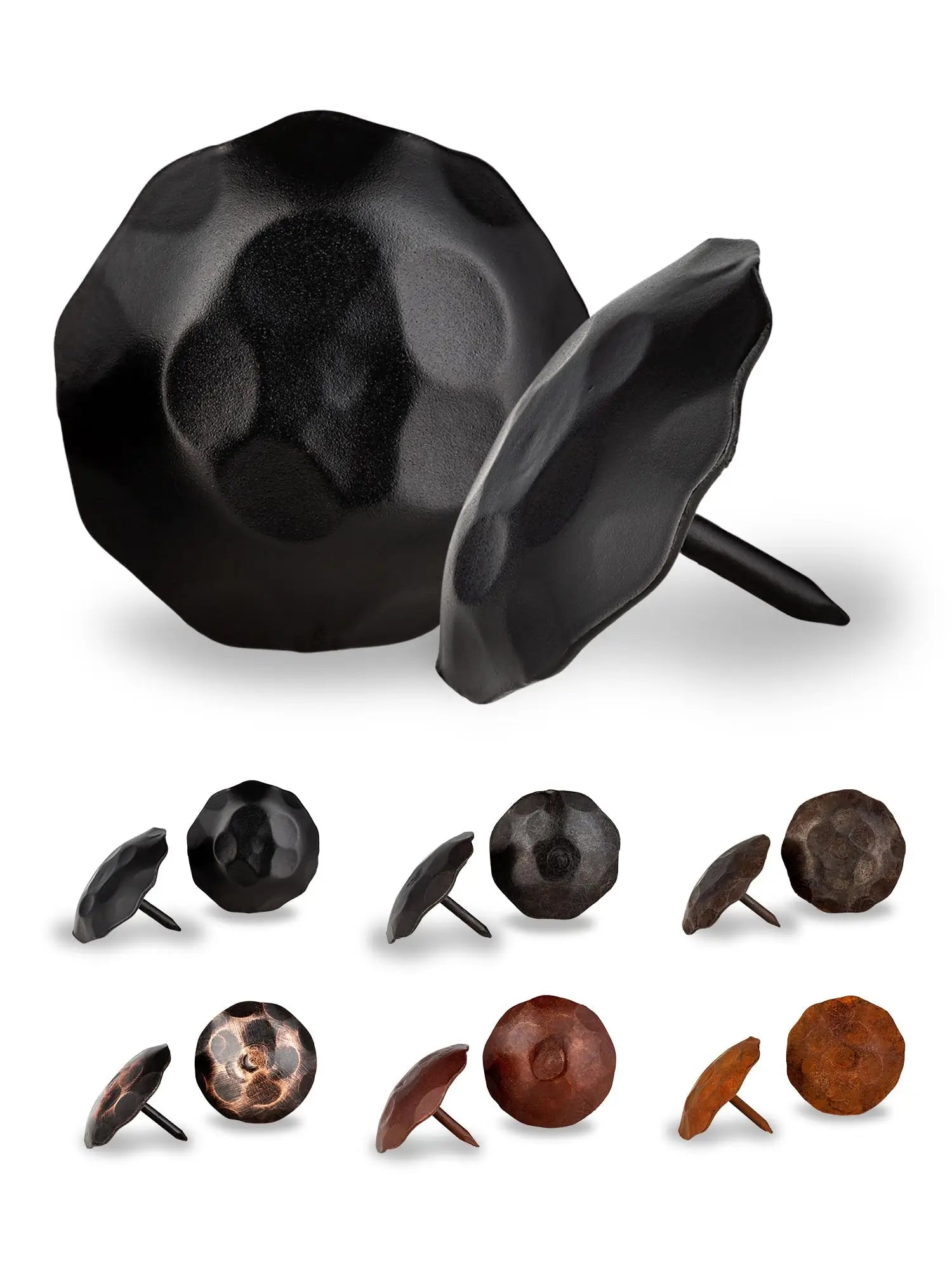
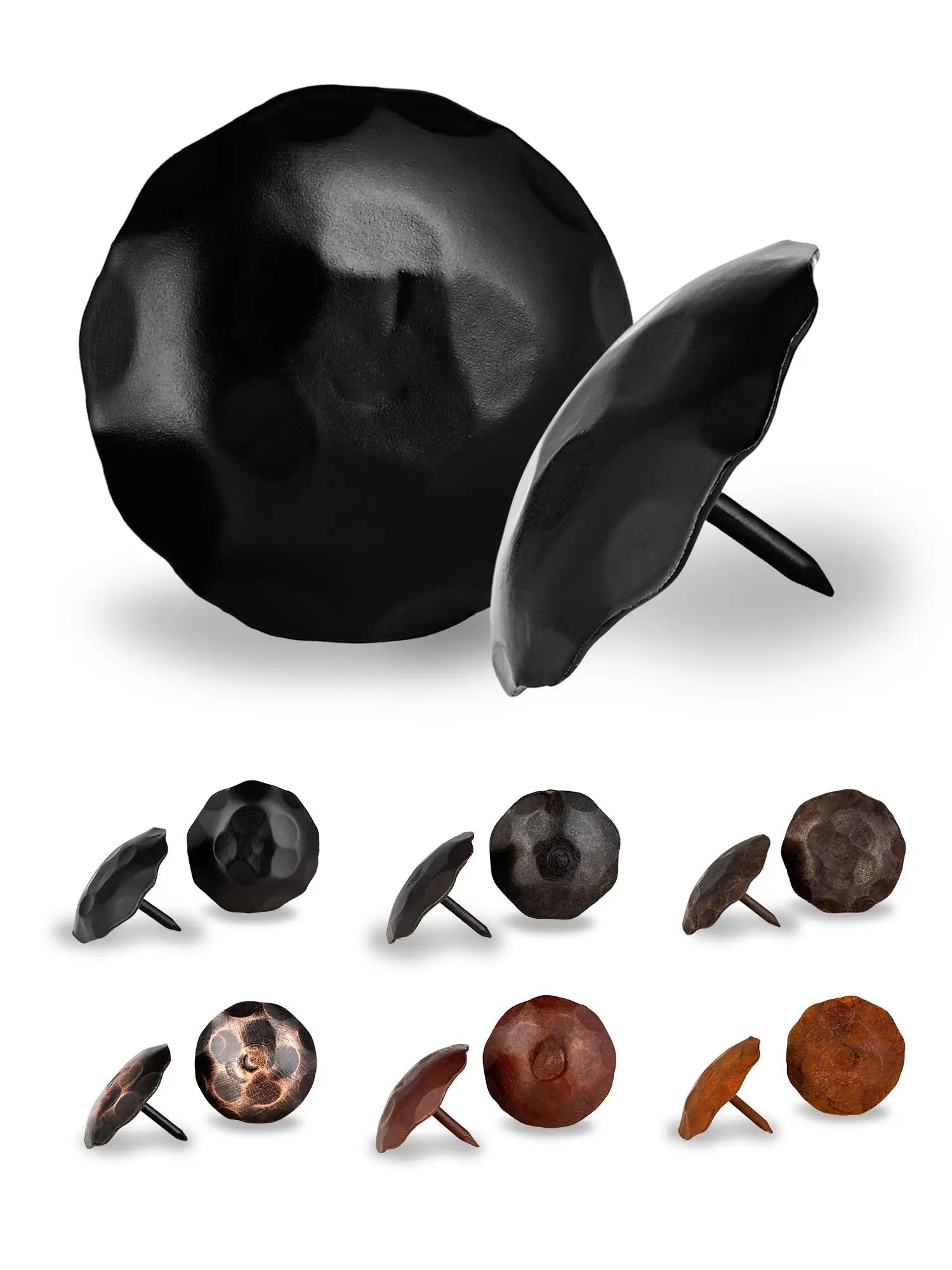


A real strap hinge is a working hinge, it's mounted on a pin and actually holds the weight of a door or gate, letting it swing open and closed. A faux, or dummy, strap hinge looks identical from the front but does none of that. It's a solid, surface-mounted piece that's screwed flat onto the door purely for the look, while a separate, hidden hinge does the actual work of holding the door up.
It's an easy mix-up, because from three feet away the two can look exactly the same. The difference only shows up once you understand what each one is actually built to do and, more importantly, when you'd want one over the other.
A functional strap hinge has a barrel and pin running down one side, the same way any hinge works. One leaf mounts to the door, the other to the frame, and the pin connects them so the door can actually pivot. Because it's carrying real weight, it needs to be installed with precise alignment, and it's typically built from a heavier gauge of iron or steel to hold up to repeated use.
These are the hinges you want on barn doors, gates, and anywhere a door is genuinely opening and closing on that hardware. If it's load-bearing, it needs to be a real hinge, there's no substitute.
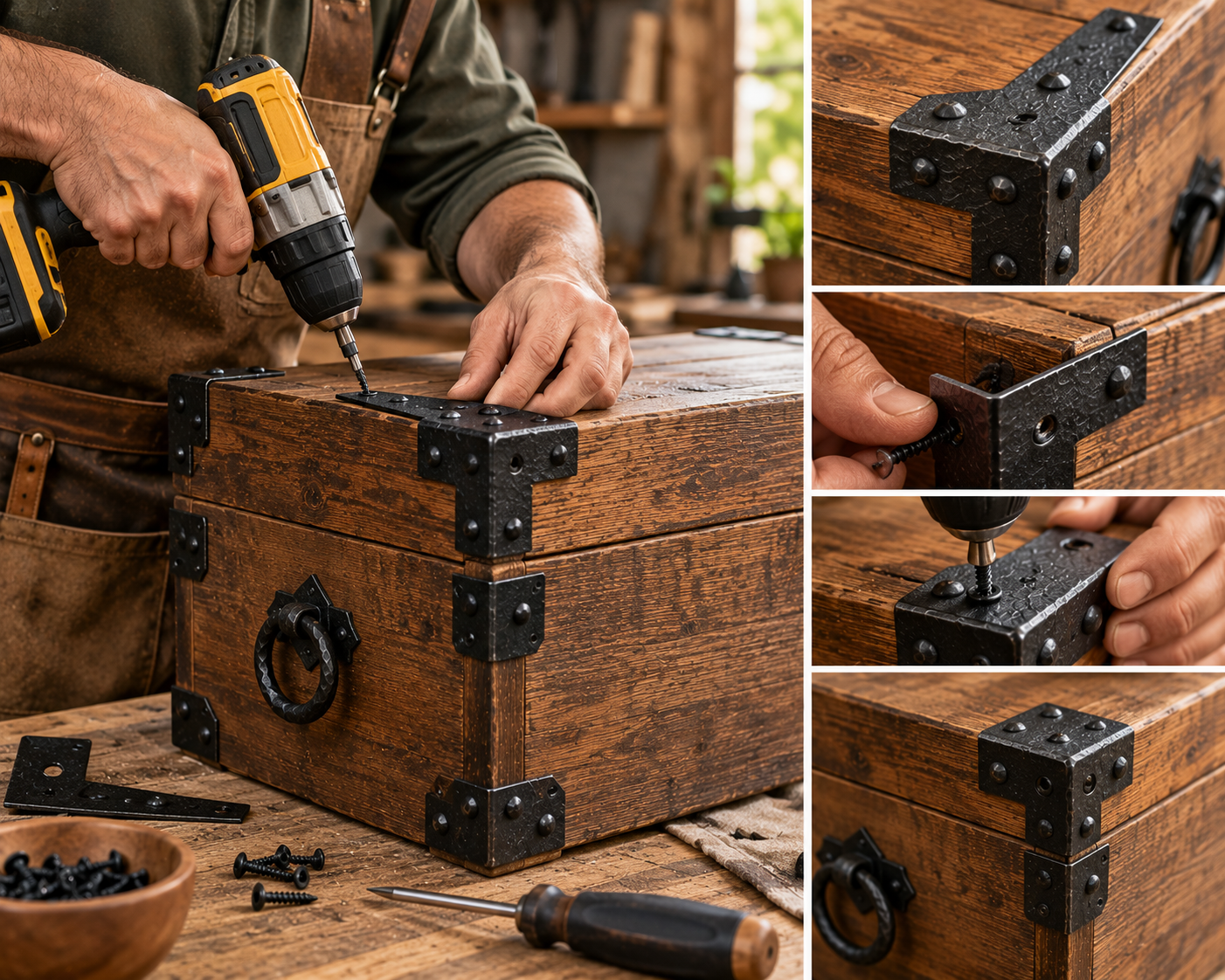
A faux hinge is decoration, full stop. It has the shape of a strap hinge, the same long, tapered leaf, the same forged detailing but no barrel, no pin, no moving parts. It's mounted flat with screws, the same way you'd hang a clavo or a bracket, and it doesn't touch the door's actual hinge mechanism at all.
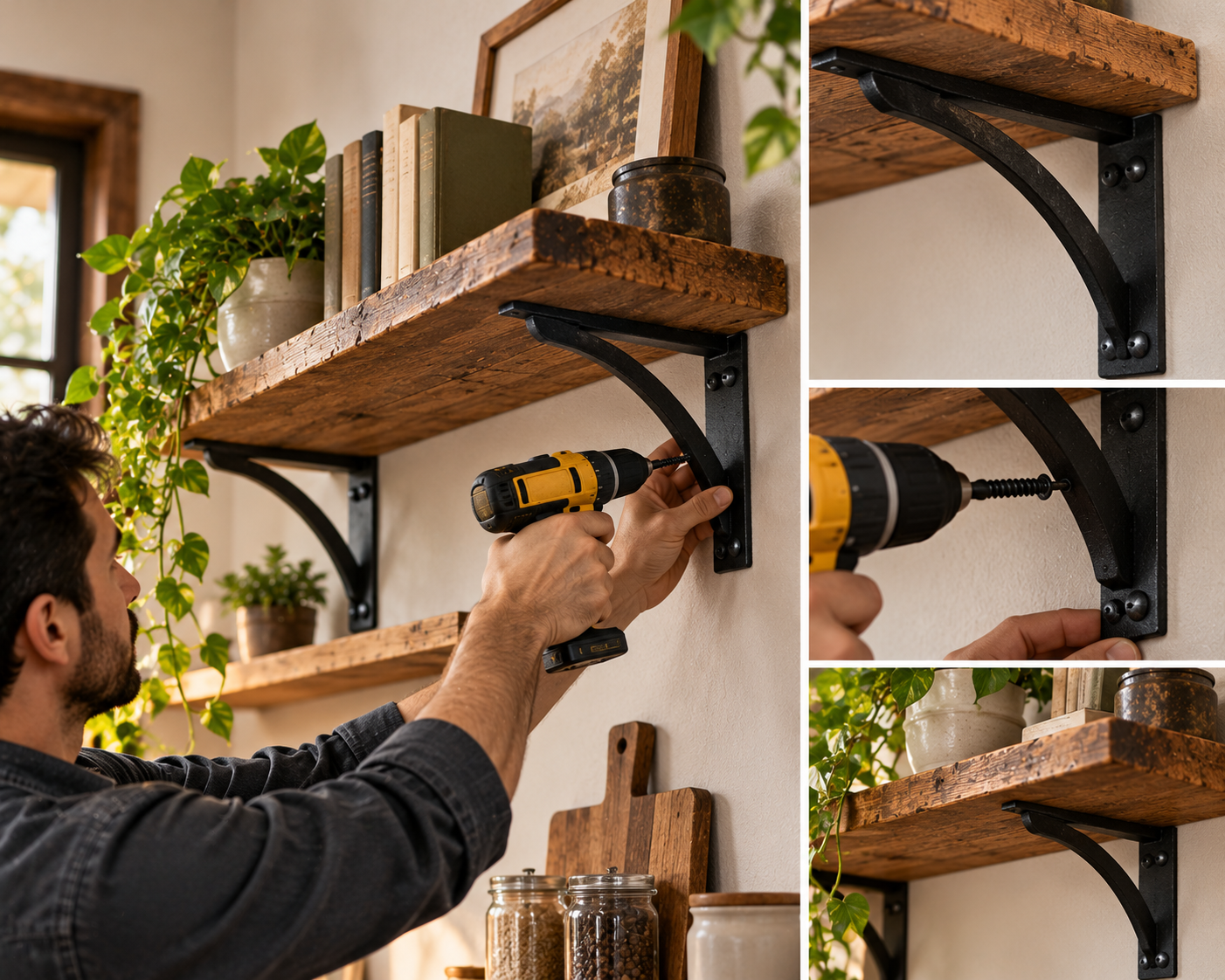
That makes installation genuinely easier. There's no alignment to worry about, no weight-bearing concern, and no risk of the door sagging if it's off by a fraction of an inch. You're just placing it where it looks right and driving in screws.
The most common reason is that the door already has a working hinge, usually a modern, hidden one and you just want the old-world look of a strap hinge on top of it without re-hanging the whole door. This comes up a lot with interior doors that already swing fine on standard hinges but want a rustic look added, cabinets and furniture where the working hinge is hidden inside and the strap hinge is purely a design element, and garage doors that already operate on a track system, where strap hinges are added just for the carriage-door look.
In all of these cases, a real strap hinge would be doing a job that's already being handled by something else, so there's no functional reason to install one, only cost and unnecessary complexity.
Yes, and it's actually a common approach. Some doors use one real strap hinge for structural support and one or two faux hinges alongside it purely to balance the look especially on wider doors where a single hinge would look off-center. If you want the full, authentic hardware look with none of it faux, that's what a full functional set (like our antique strap hinges) is built for.
Product listings should say directly whether a hinge is functional or faux/dummy, but a few visual cues help too. Look for the barrel, the cylindrical knuckle running down one edge, if it's there, it's functional, and if the piece is flat and solid, it's faux. Check for a pin, since a removable or visible pin means the hinge actually pivots. And read the mounting instructions, since faux hinges mount with simple surface screws only, while functional hinges require alignment with a second leaf on the frame.
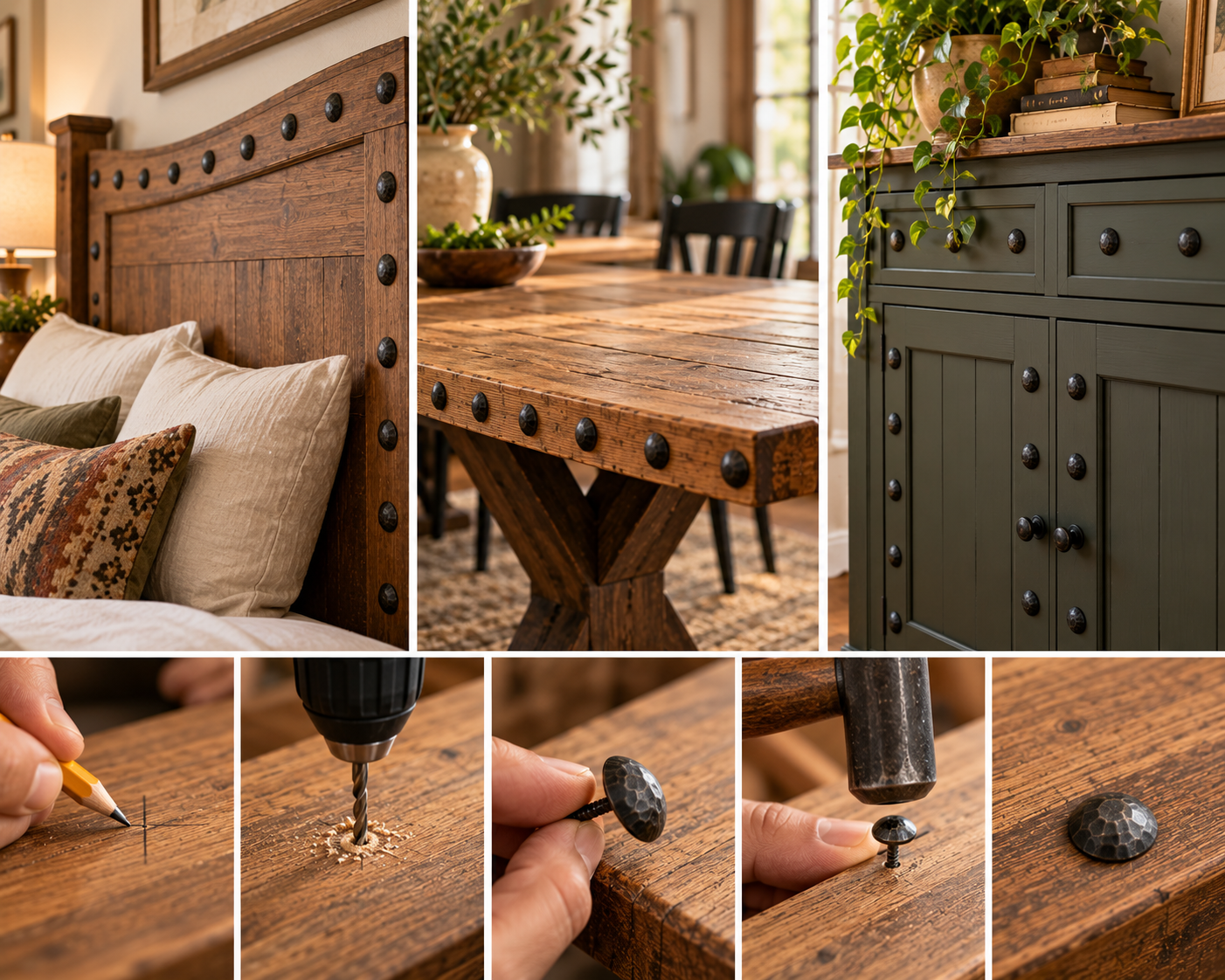
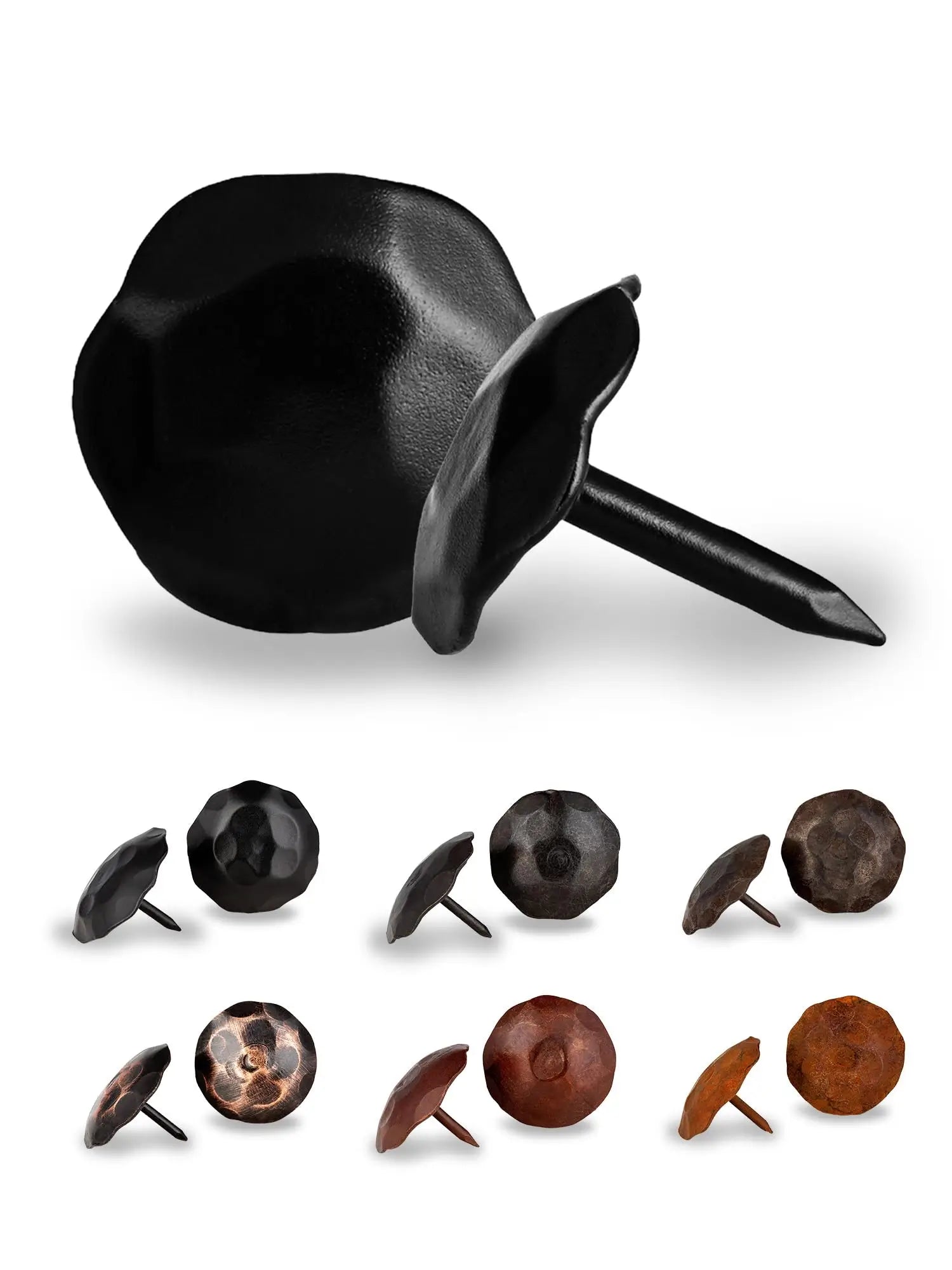
If you're mixing functional and faux hinges on the same project, or pairing faux hinges with clavos, corner straps, or other hardware nearby, finish consistency matters more than most people expect. Since faux hinges are purely visual, any mismatch in color or texture stands out immediately, because there's nothing functional distracting the eye from it. Black, oil-rubbed bronze, and natural iron are the easiest finishes to match across a full hardware set, since they're the most commonly used across both real and faux pieces.
Are faux strap hinges as durable as real ones?
For their purpose, yes. Since they're not bearing weight or moving, a well-made faux hinge in solid iron will hold up just as long as a functional one, it simply isn't doing structural work.
Can I use a faux hinge on an exterior gate?
Only if the gate already has a separate functional hinge doing the actual work. A faux hinge should never be relied on to support a swinging gate or door on its own.
Do faux hinges cost less than functional strap hinges?
Often, yes, since they use less material and require no hardware for the pin and barrel mechanism. Pricing still varies by size, finish, and design detail.
How do I install a faux strap hinge?
Position it where you want the visual effect, mark your screw holes, and mount it flat to the surface, no alignment with a second leaf is needed, since it isn't connecting to anything.
Whether you need the real thing or just the look of one, every hinge we make is hand-forged solid iron. Browse our faux hinge strap collection or explore our full hinges and straps line to find the right fit.