Cart
0
You may also like
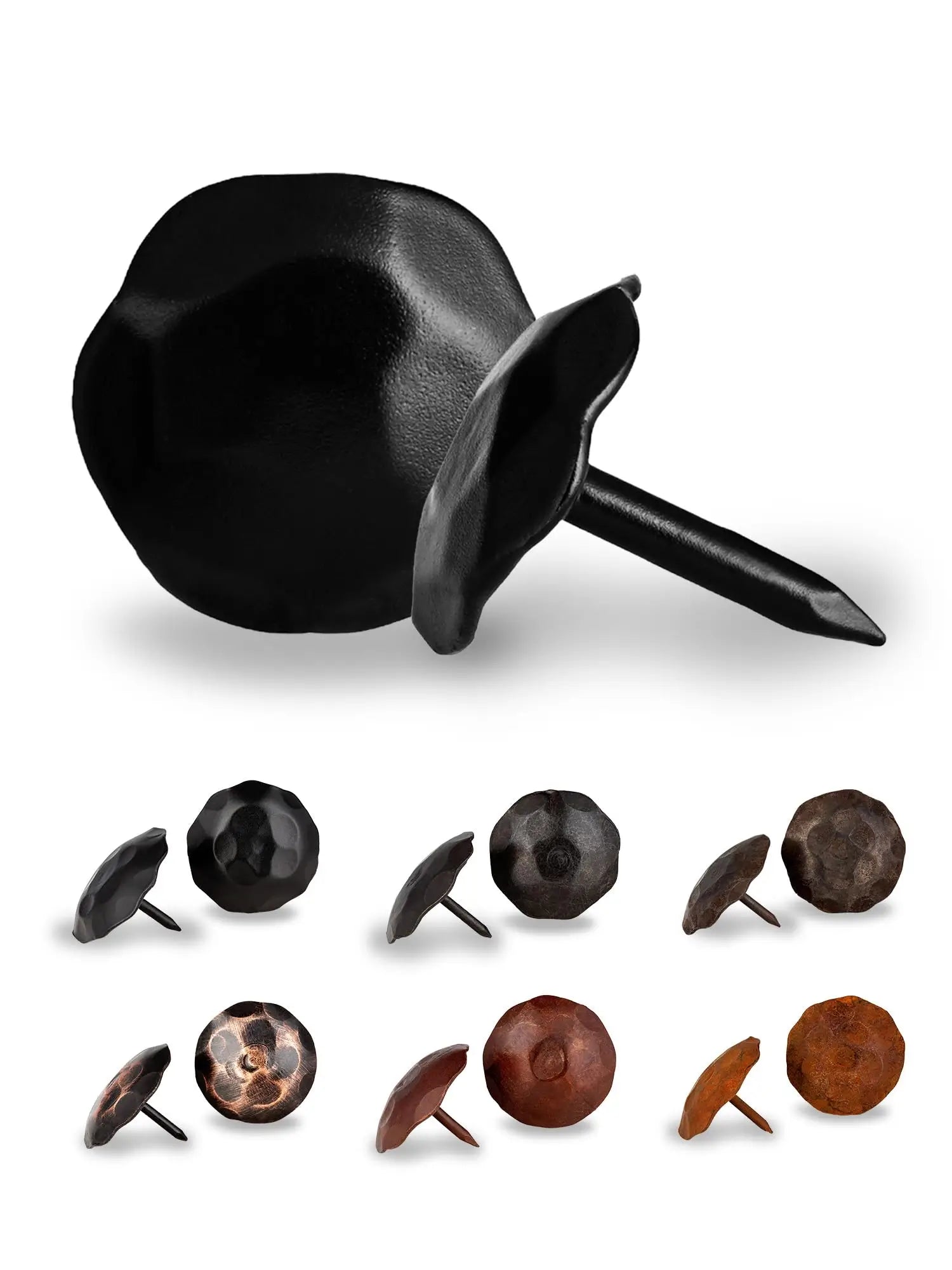
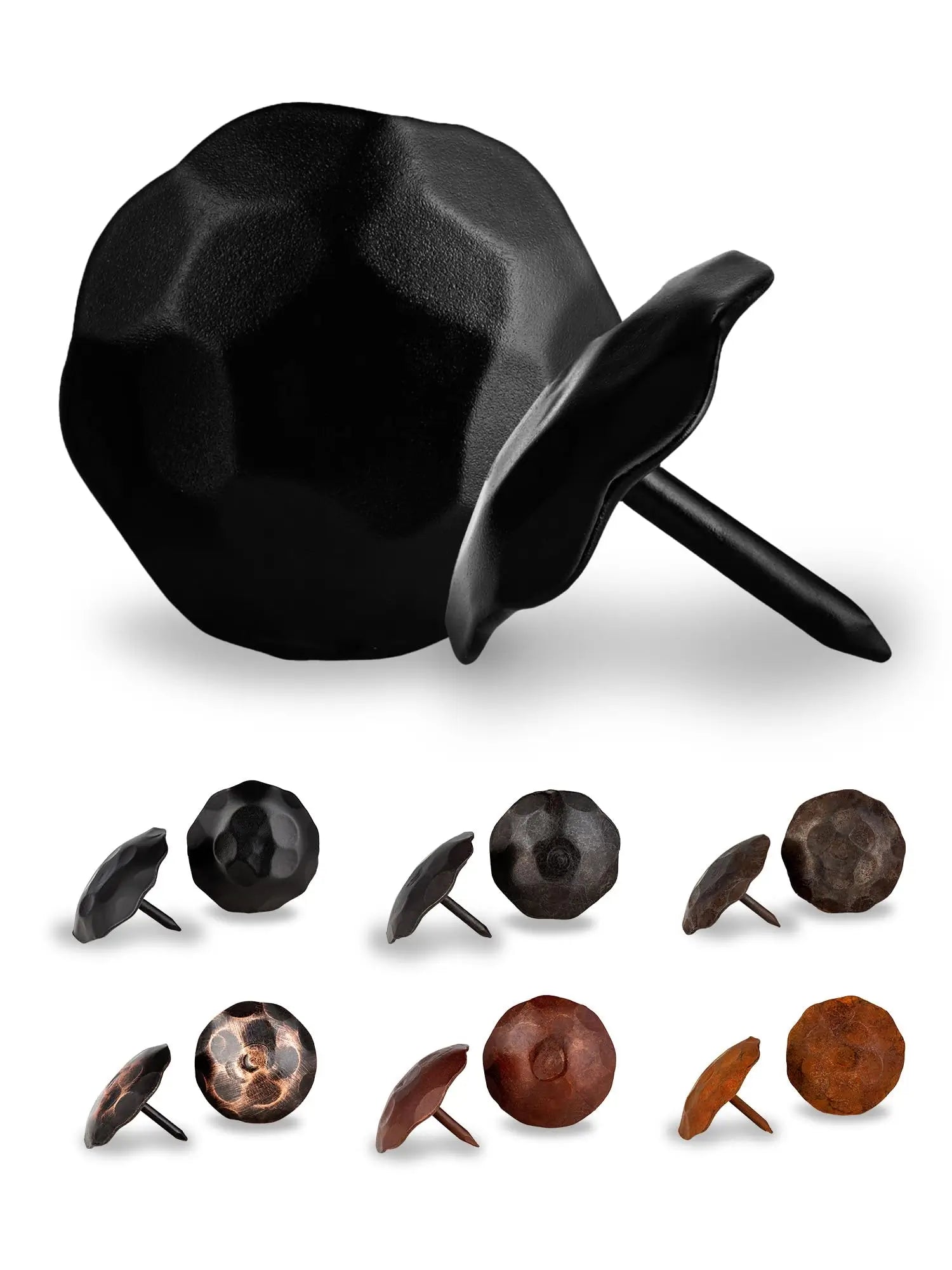
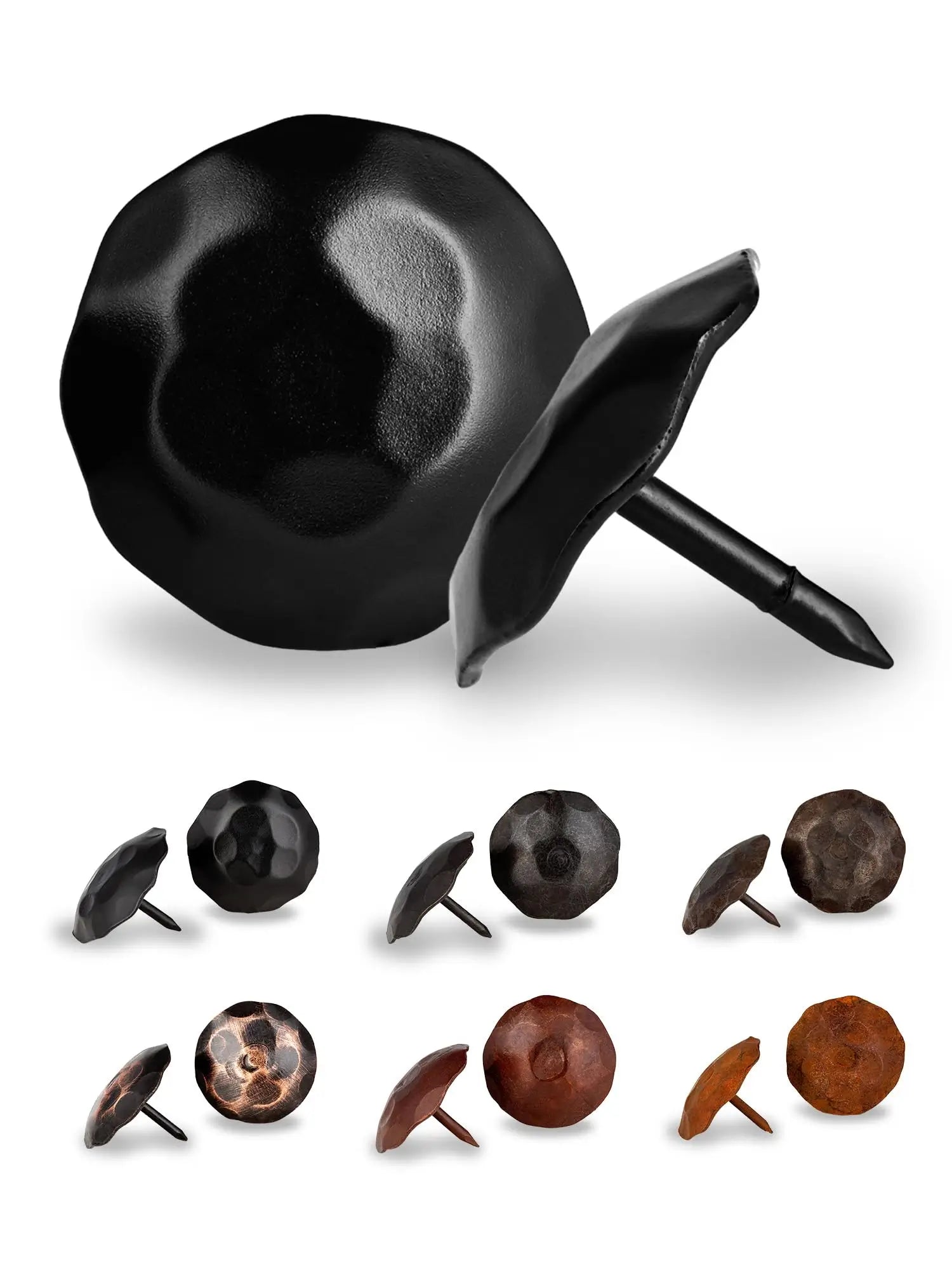
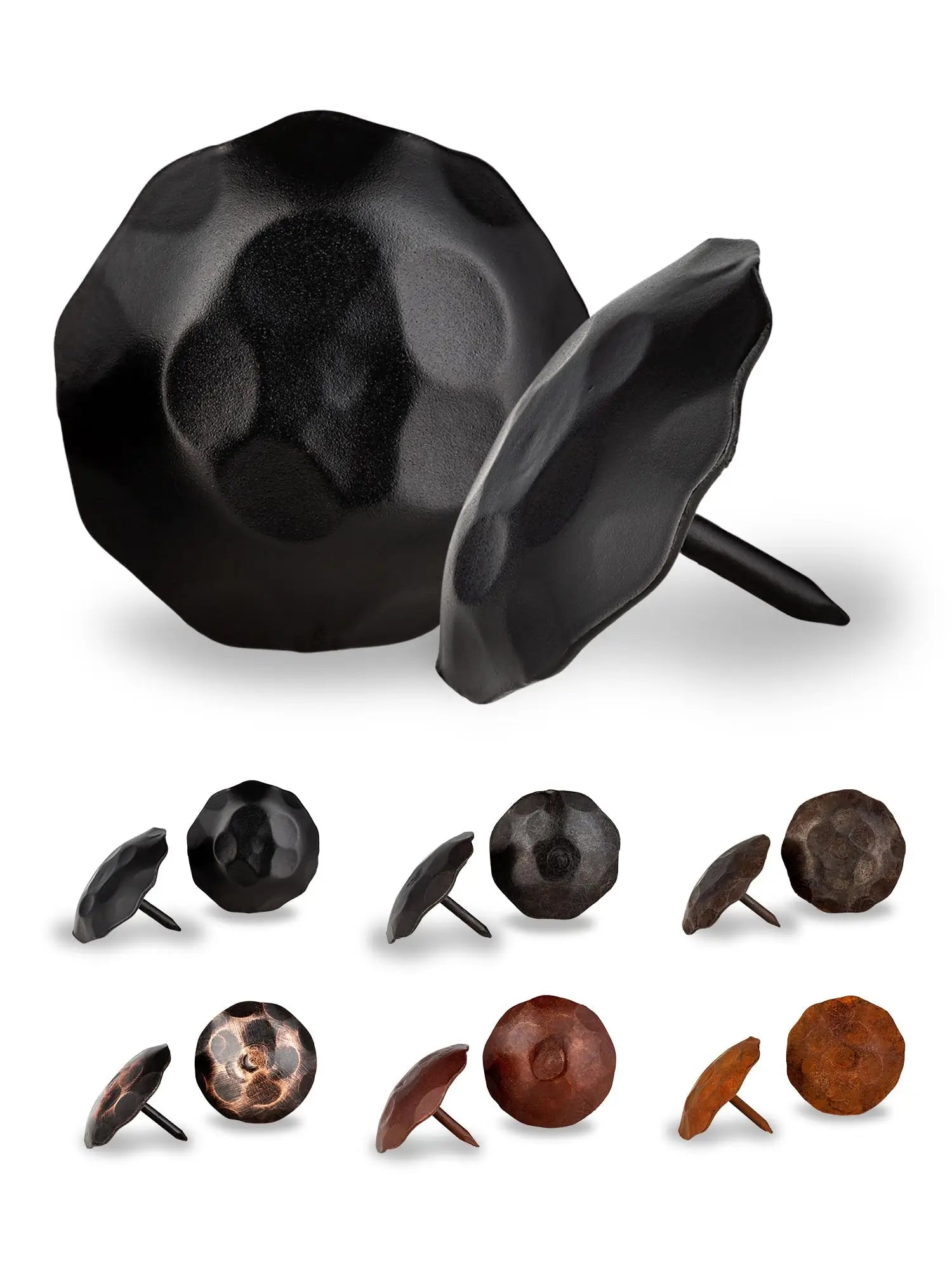
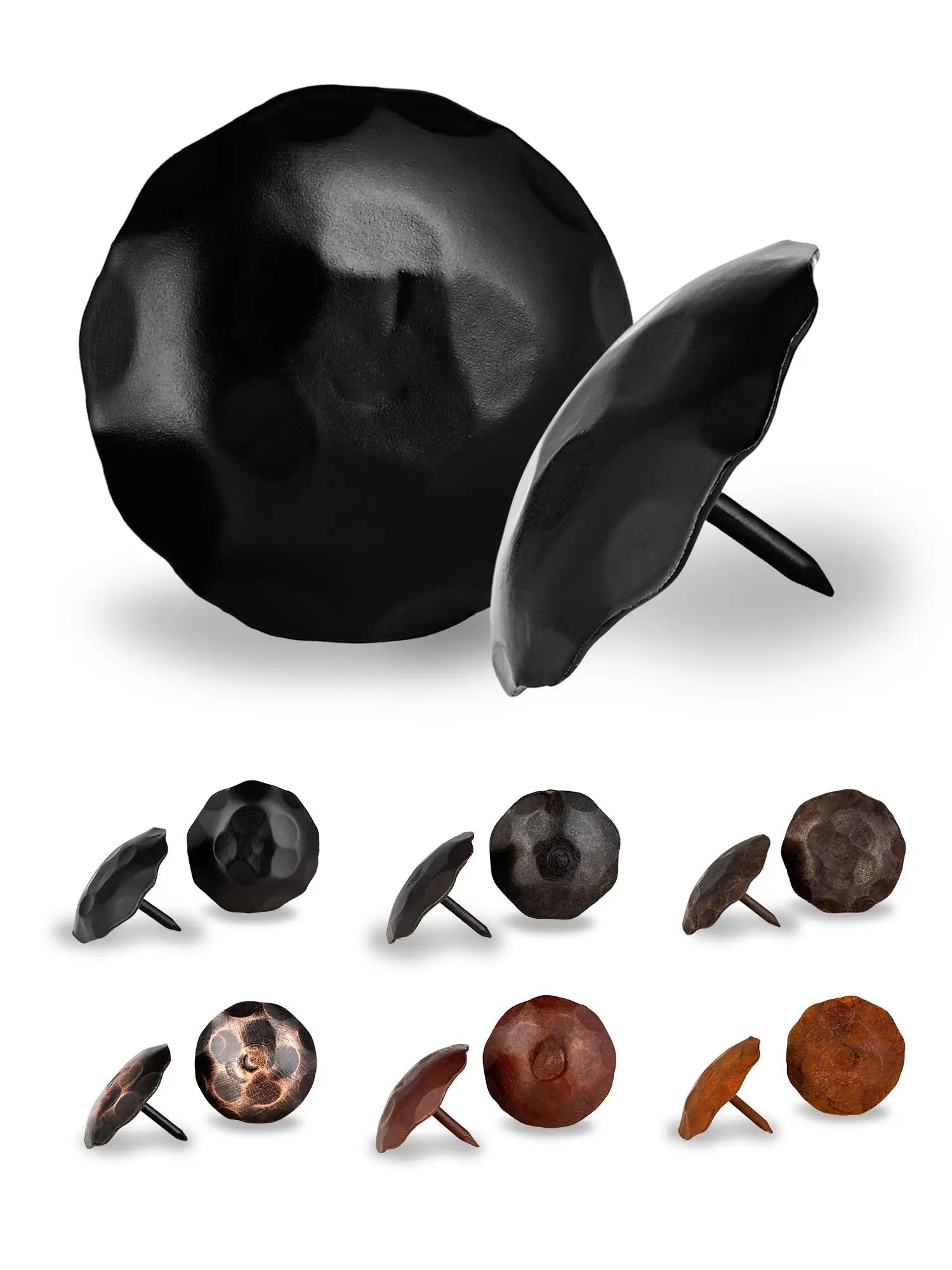


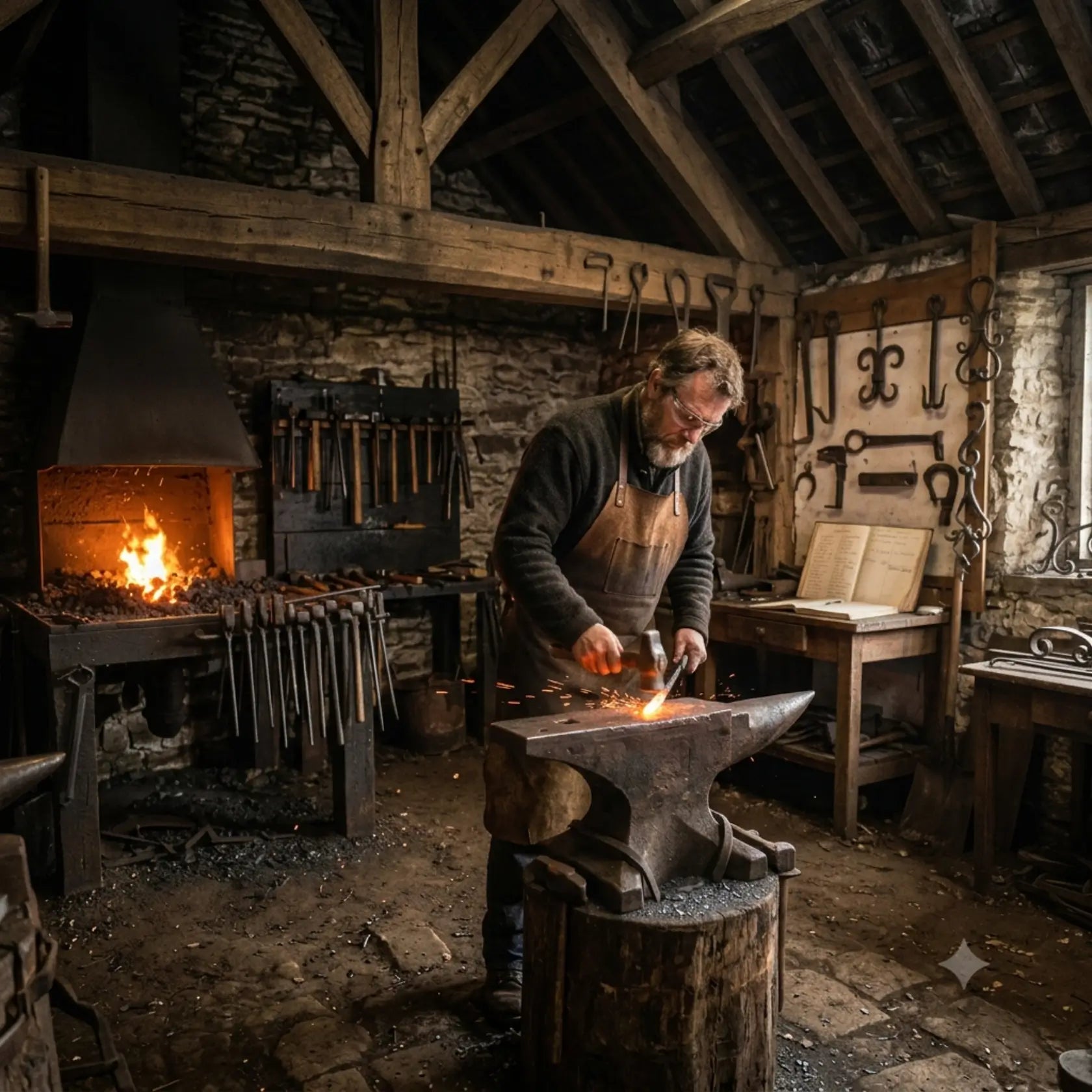
Blacksmithing is the traditional craft of shaping iron and steel by hand using heat, a hammer, and an anvil. It is one of the oldest trades in human history, dating back thousands of years, and it has shaped everything from ancient tools and weapons to the decorative ironwork found on doors, gates, and furniture today. Far more than a manufacturing method, blacksmithing is a cultural tradition, one passed down from generation to generation, artisan to apprentice.
At its core, blacksmithing is simple: heat metal until it becomes workable, then shape it with force and precision before it cools. What makes it an art form is everything that surrounds that process, the skill built over years of practice, the eye for proportion and detail, and the patience required to turn a raw bar of iron into something both functional and beautiful.
Blacksmithing dates back to the Iron Age, when early civilizations discovered that heating iron ore made it possible to hammer the metal into tools, weapons, and household goods. For most of human history, the blacksmith held one of the most essential roles in any community, producing everything from nails and hinges to plows and horseshoes. Villages and towns were often built around a central smithy, since nearly every trade depended on the blacksmith's work.
The Industrial Revolution changed that. Machine manufacturing made it possible to mass-produce metal goods faster and cheaper than any blacksmith could by hand, and the trade nearly disappeared from everyday life. But it never vanished entirely. In the decades since, blacksmithing has been kept alive by artisans who value what a forge can do that a factory can't: create something with real character, built one piece at a time. Today, blacksmiths are recognized as skilled craftspeople and artists, working in a trade that connects directly back to its ancient roots.
For a closer look at exactly how a piece goes from raw steel to finished hardware, see our blacksmithing process guide.
Blacksmithing took on a distinct identity in the American Southwest, shaped heavily by Spanish Colonial tradition. As Spanish settlers and missionaries moved through Mexico and into what is now Texas, New Mexico, and Arizona, they brought ironworking techniques that blended with local craftsmanship. Hand-forged hinges, gate hardware, and decorative clavos became a defining feature of haciendas, missions, and homesteads throughout the region, hardware that was as much a statement of style as it was a functional necessity.
That regional tradition is still very much alive along the U.S.–Mexico border today. Skilled blacksmiths in Northern Mexico continue to practice the same hot and cold forging techniques used for centuries, producing ironwork with the kind of texture and character that can only come from a hammer and anvil, not a machine press. It's a craft rooted in place as much as in process.
In a world where most hardware is mass-produced, hand-forged ironwork stands out for a simple reason: no two pieces are exactly alike. Every hammer strike leaves its own mark, which means a hand-forged clavo, hinge, or bracket carries a texture and irregularity that a machine-stamped equivalent never will. That imperfection is the point, it's proof the piece was made by a person, not a production line.
There's also a durability argument. Traditionally forged iron is worked in a way that aligns the metal's internal grain structure, making it more resistant to stress and cracking than cast or stamped alternatives. That's part of why antique hand-forged hardware, some of it well over a century old, is still found holding doors and gates together today.
For homeowners and builders, that durability translates into a practical advantage: hand-forged hardware is often a one-time investment rather than something replaced every few years. A well-made clavo, hinge, or strap can outlast several renovations, aging with the wood and finish around it instead of corroding, warping, or snapping under stress the way lower-quality stamped hardware often does.
One of the biggest threats to blacksmithing has always been the same: fewer people learning the trade. Traditional forging takes years to master, and as demand for mass-produced goods grew, fewer young craftspeople had the opportunity, or the incentive, to apprentice under an experienced smith.
That's part of why apprenticeship programs matter so much to keeping this craft alive. At Borderland Rustic Hardware, every purchase helps support blacksmith education and apprenticeship programs in the U.S. and Mexico, giving the next generation of artisans the chance to learn hot and cold forging techniques directly from experienced hands, the same way the trade has always been passed down. You can read more about our story and the artisans behind every piece we make.
What is blacksmithing, in simple terms?
Blacksmithing is the craft of shaping iron or steel by heating it in a forge and hammering it into shape on an anvil, using hand tools rather than machines.
Is blacksmithing still practiced today?
Yes. While most manufacturing shifted to machines during the Industrial Revolution, blacksmithing has survived as both a practical trade and an art form, practiced by artisans who specialize in hand-forged tools, hardware, and decorative ironwork.
What's the connection between blacksmithing and clavos?
Clavos, decorative nail heads used on doors, gates, and furniture, are a direct product of blacksmithing tradition, particularly in Spanish Colonial and Southwestern architecture, where hand-forged ironwork became a defining design element.
Why does hand-forged hardware cost more than mass-produced hardware?
Hand-forged pieces take significantly longer to make, since each one is shaped individually by a skilled blacksmith rather than stamped by a machine. That time and skill is reflected in both the price and the durability and character of the finished piece.
Every piece of hardware we make carries this history forward, hand-forged by skilled blacksmiths using techniques passed down for generations. Browse our collection of hand-forged clavos, hinges, and hardware and see the difference traditional craftsmanship makes.