Cart
0
You may also like
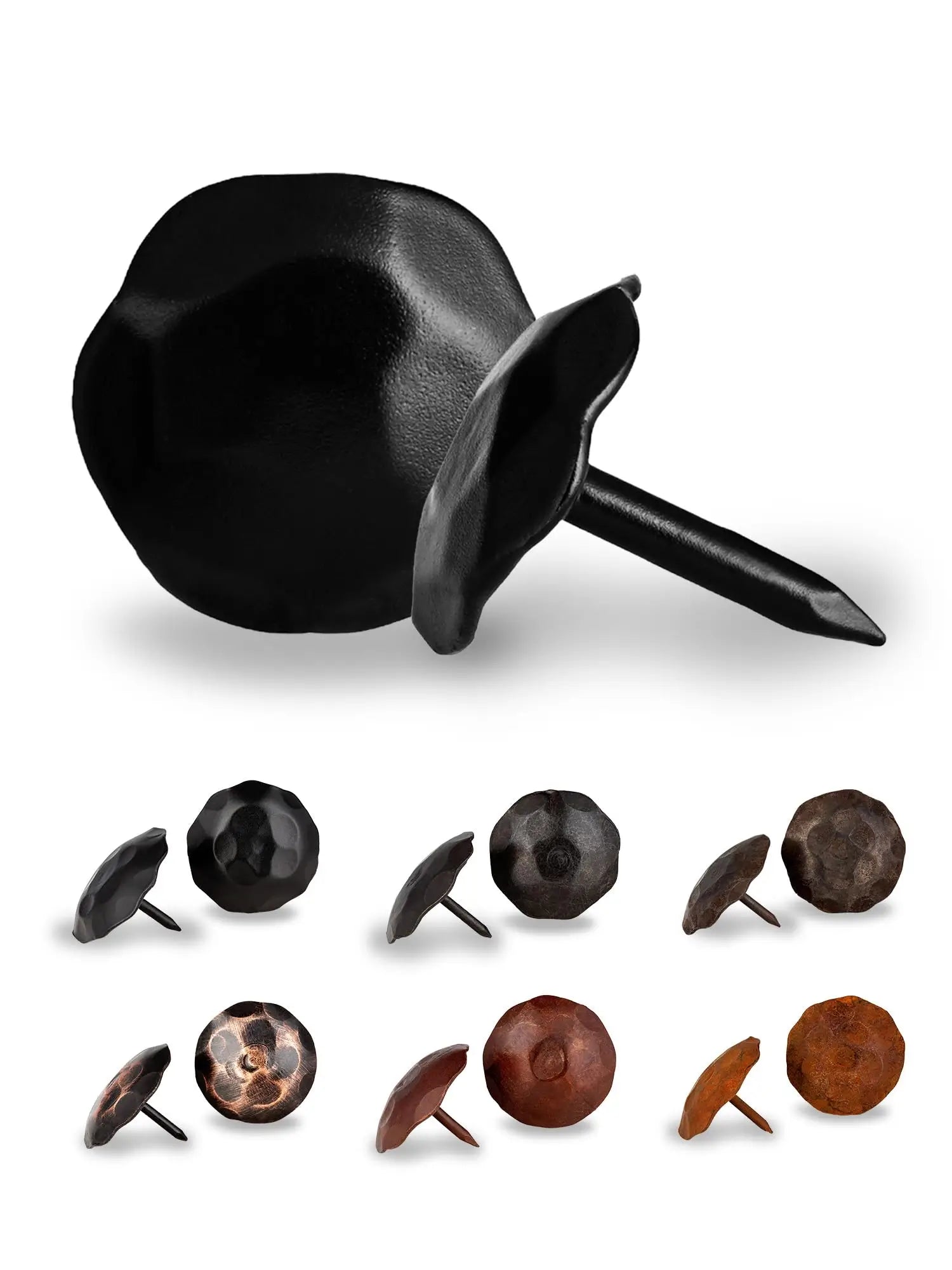
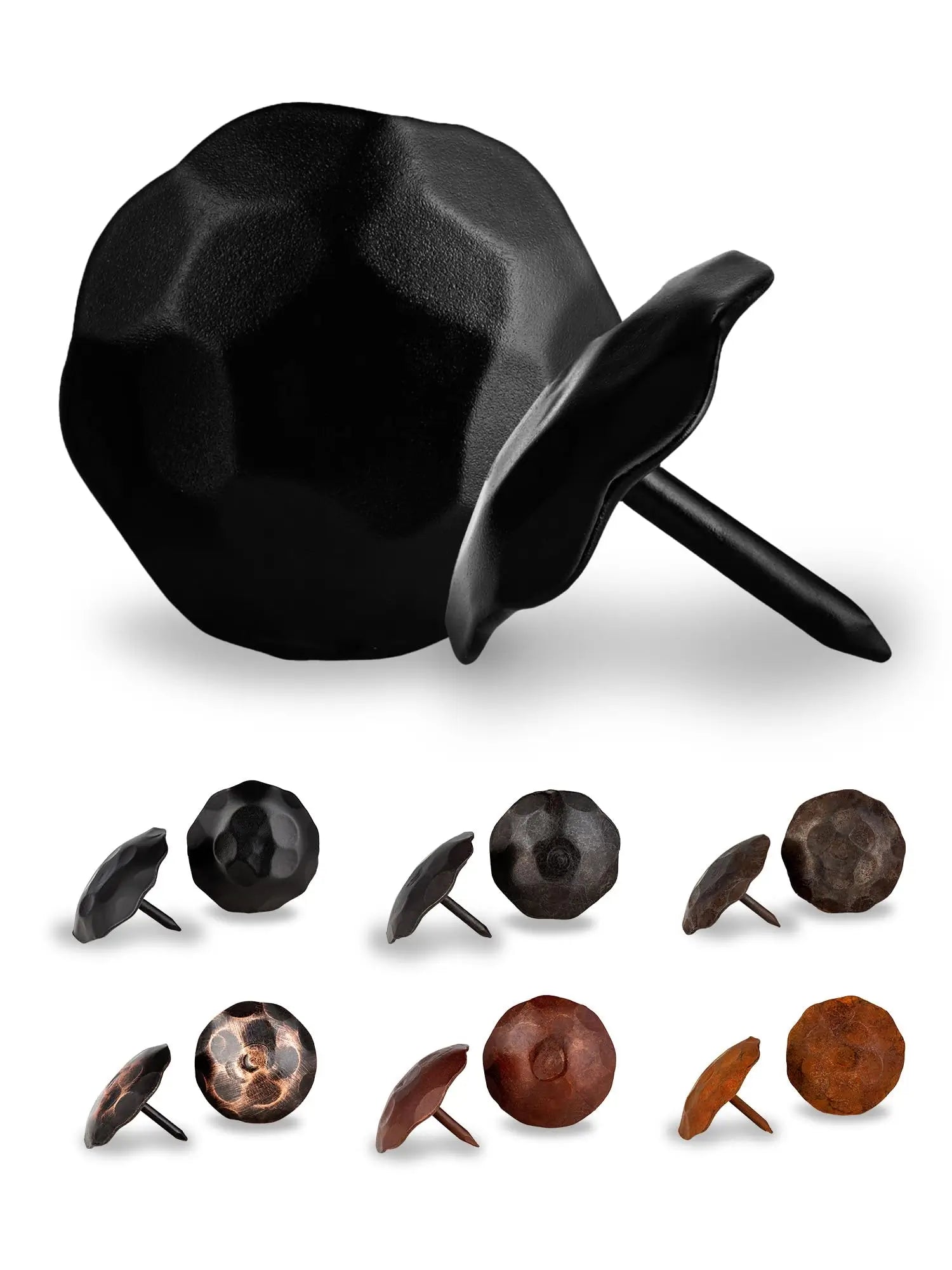
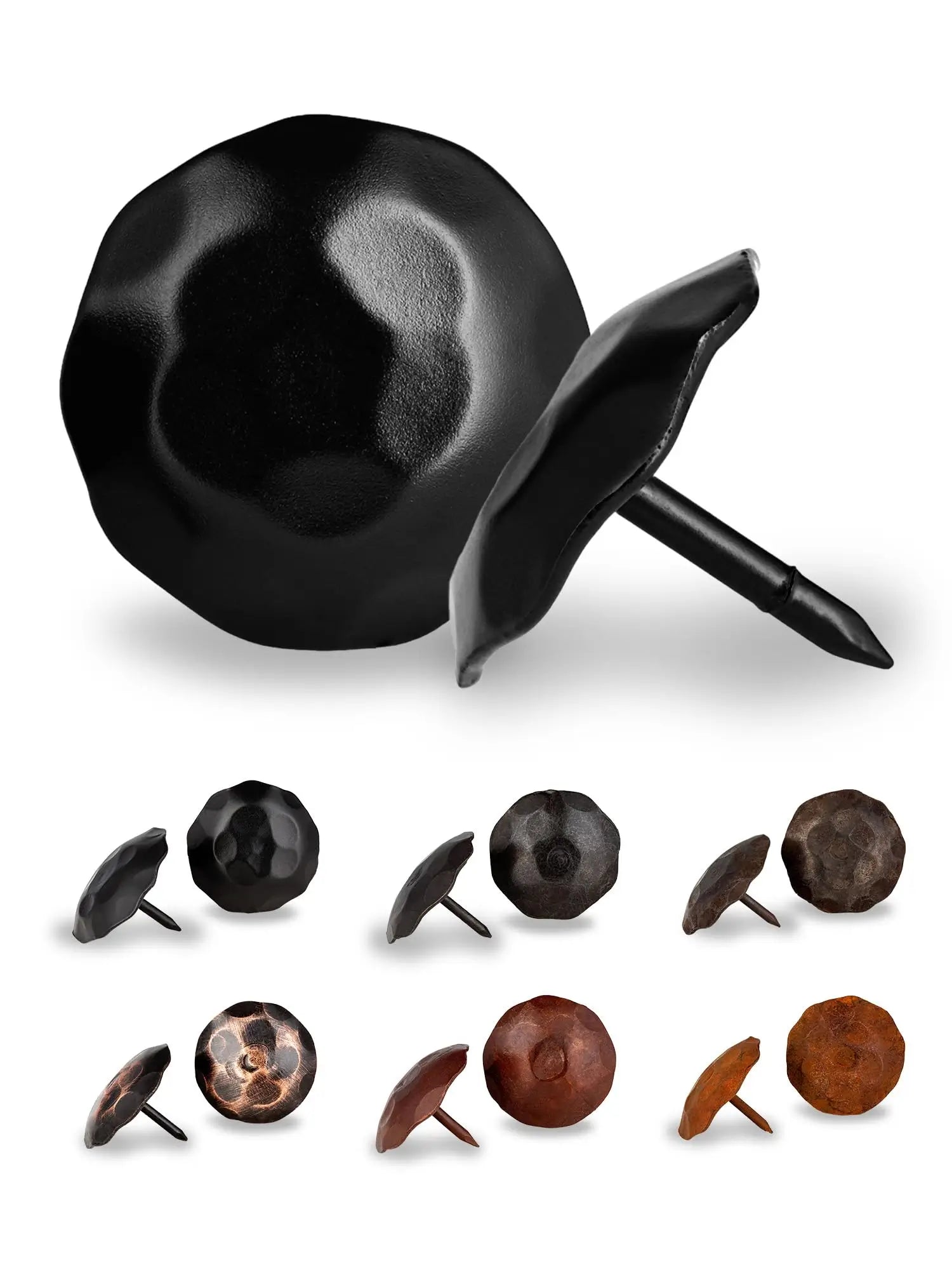
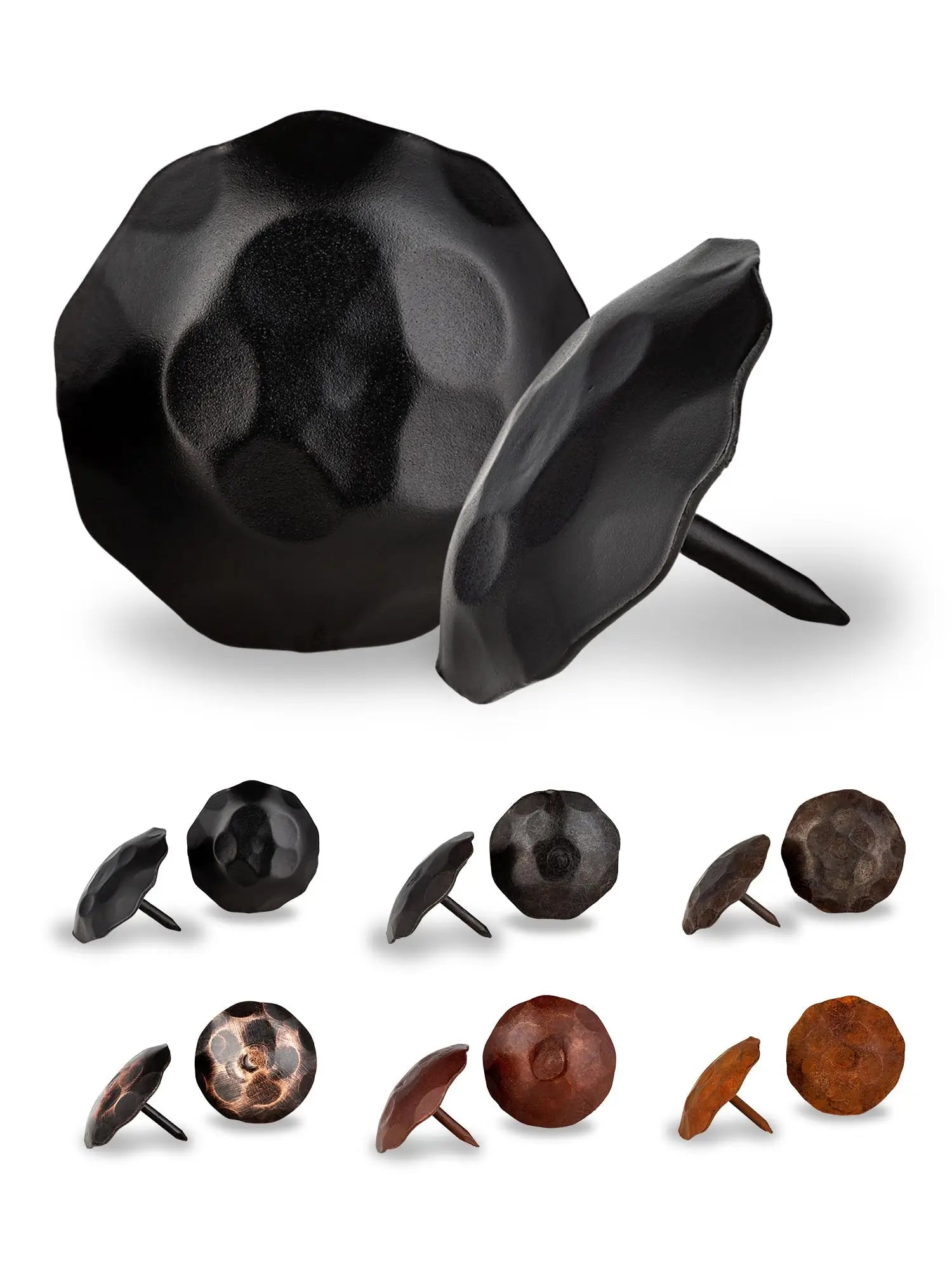
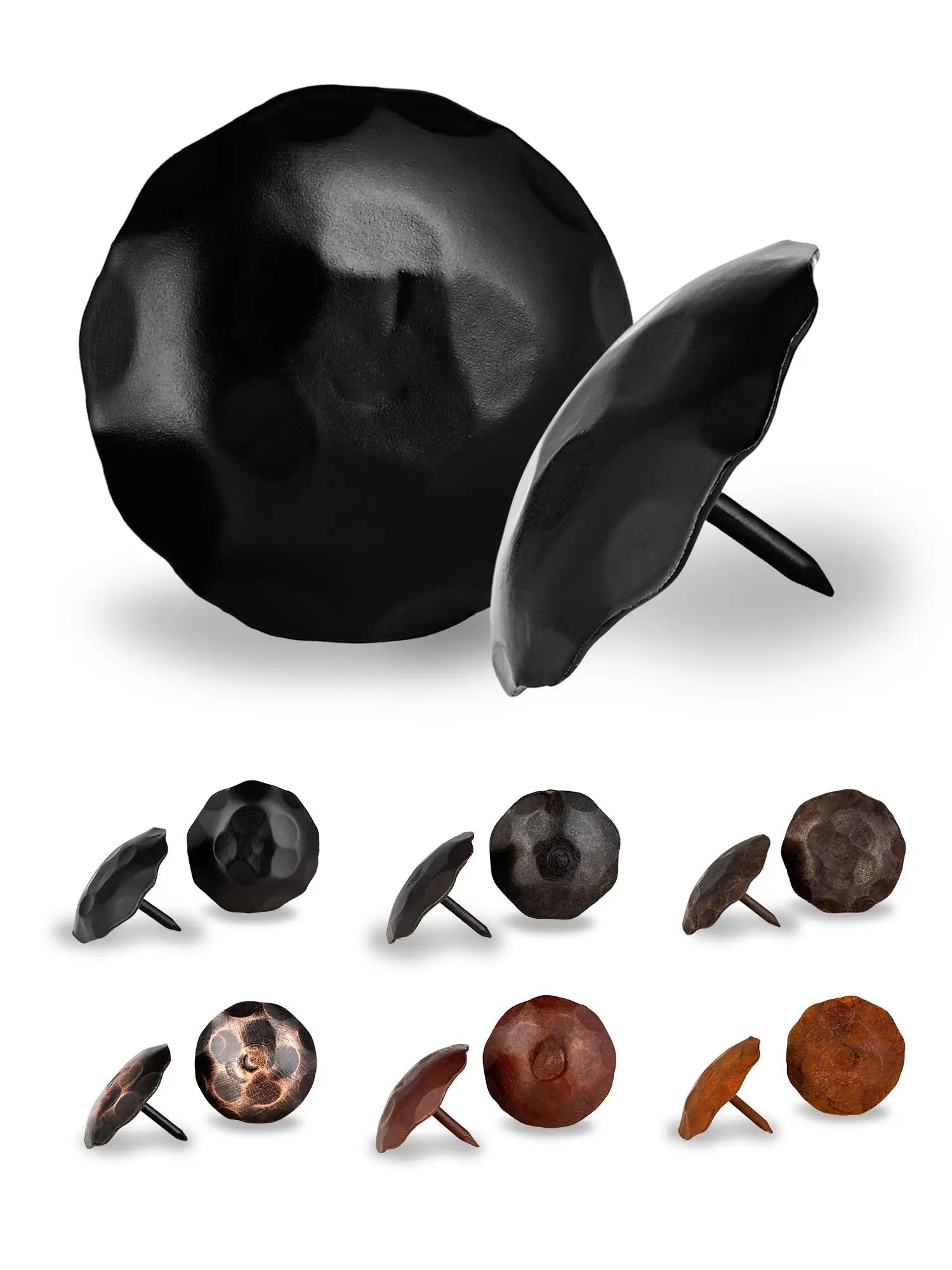


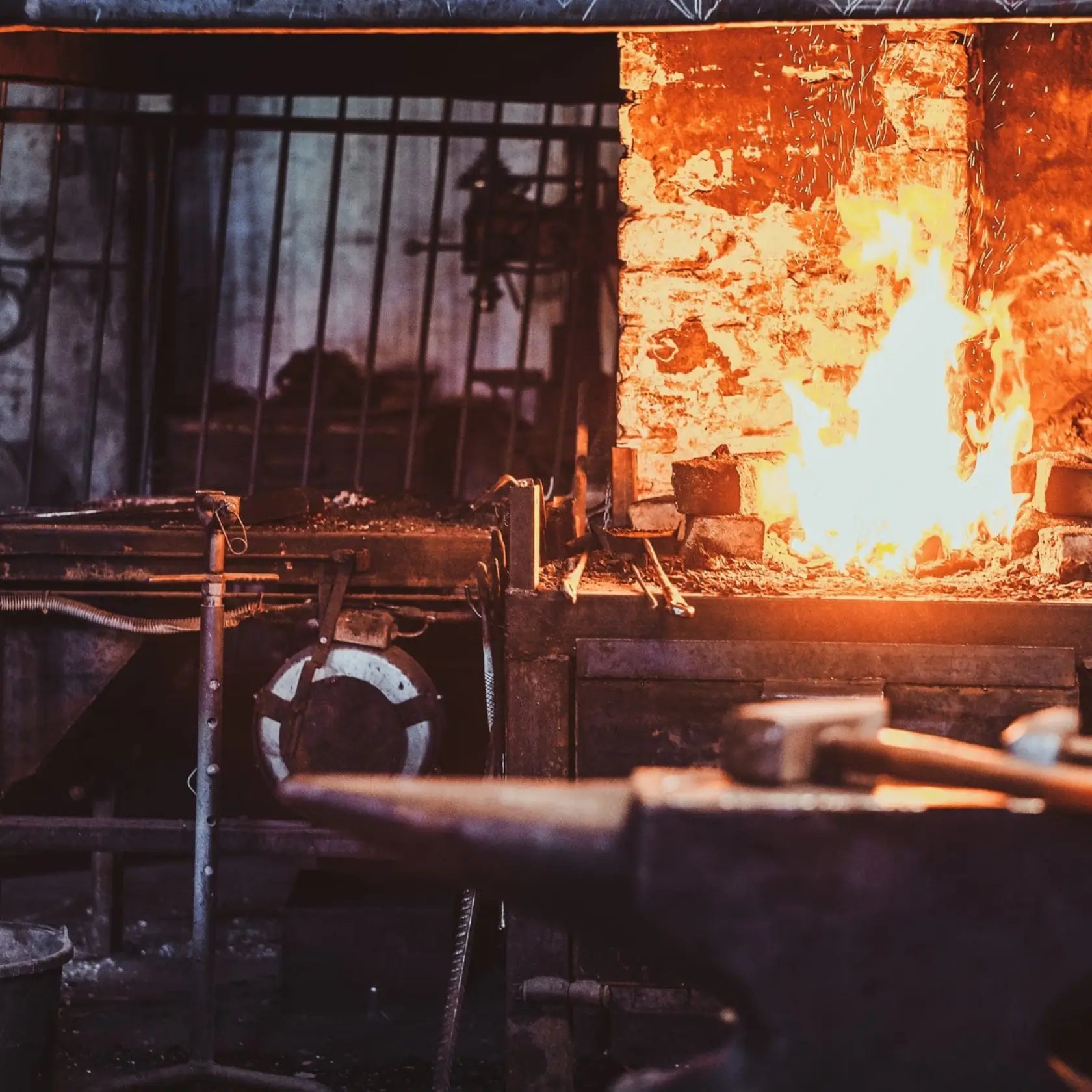
Every piece of hardware we make starts the same way: a bar of raw steel and a blacksmith who knows exactly what to do with it. From there, it's heat, hammer, and hands, no molds, no mass production line, just the same hot and cold forging techniques blacksmiths have used for centuries. Here's what actually happens between a piece of steel and a finished clavo, hinge, or bracket on your door.
It's a slower way to make hardware, and that's kind of the point. Machine-stamped hardware can be made in seconds, thousands of identical pieces at a time. Ours can't and once you see the process, it's easier to understand why that difference actually matters.
For the history and culture behind this craft, read our companion piece on blacksmithing tradition.
The setup hasn't changed much in centuries: a forge to heat the metal, an anvil to work it on, a hammer to shape it, and tongs to hold the steel steady while it's too hot to touch. A few modern conveniences make the work more efficient, gas forges instead of coal, power hammers for heavier pieces but the core process is still the blacksmith reading the metal and reacting to it in real time, strike by strike.
It starts before the forge is even lit. Our blacksmiths select steel based on what the finished piece needs to do, a delicate decorative clavo doesn't need the same bar stock as a heavy-duty gate hinge that'll carry real weight for years. Round rod, square rod, thickness, all of it gets decided upfront, because the wrong starting material makes every step after it harder.
Steel doesn't move for you at room temperature, so it goes into the forge until it's glowing orange-hot and workable. This part of the process is called forging, and getting the temperature right matters more than people expect, too cool and the steel resists the hammer, too hot and it starts to lose strength. A good blacksmith reads the color of the metal like a gauge, and knows exactly when it's ready.
This is the part people picture when they think of blacksmithing, hammer against hot steel on an anvil. But it's less about brute force and more about control. Each strike moves the metal a little, and a skilled smith is already thinking two or three hits ahead, shaping curves, flattening heads, drawing out length, all while the steel is still workable. Once it cools too much, it's back in the forge for another heat before the shaping continues.
This is also where the character comes from. No two hammer strikes land exactly the same way, which is why hand-forged pieces have that slightly irregular, textured look that a machine-stamped piece never will. It's not a flaw, it's proof of the process.
Once the shape is right, the piece cools and moves into finishing. Edges get cleaned up, surfaces get smoothed where needed, and the finish goes on, black, oil-rubbed bronze, copper, or natural iron, depending on the piece. Most of our hardware also gets a rust-resistant coating at this stage, since a lot of it ends up on exterior doors, gates, and barn hardware that has to hold up outside.
Before anything ships, it gets a final check by hand, not a scanner, not a machine, an actual person looking the piece over for consistency, finish quality, and any flaw that shouldn't make it out the door. That last step is a small one, but it's the same quality control a blacksmith would have done a hundred years ago, just with a bit more polish.
It would be faster and cheaper to skip most of this. Stamped hardware doesn't need a blacksmith reading the color of hot steel, or a hand-check before it ships. But faster hardware also tends to look like it, uniform, flat, and missing the depth that comes from real forging. When you run your hand over a hand-forged clavo or hinge, you can actually feel the hammer marks. That's not something a machine replicates, no matter how good the stamping die is.
Our blacksmiths work in Northern Mexico, using the same traditional forging techniques that have shaped ironwork in this region for generations. Every purchase you make also supports blacksmith apprenticeship programs, helping train the next generation of smiths in a trade that takes years to actually learn, not something you pick up from a manual. You can read more about our story and the people behind the hardware.
What do I need to start blacksmithing?
At a minimum, you need a forge (or fire source), an anvil, a hammer, tongs to hold hot metal, and steel to work with. Most beginners start with basic bending and drawing exercises before attempting more detailed shapes.
How long does it take to forge one piece of hardware?
It depends on the complexity, but even a relatively simple clavo or hinge can take an experienced blacksmith anywhere from several minutes to over an hour, once you factor in reheating the metal between shaping passes.
What's the difference between hot forging and cold forging?
Hot forging heats the metal until it's soft and workable, which is how most decorative ironwork, including our hardware, is shaped. Cold forging works the metal at or near room temperature and is typically used for smaller, more precise adjustments.
Is blacksmithing hard to learn?
The basics can be picked up fairly quickly, but real skill takes years. Reading the metal's temperature, controlling hammer strikes, and working efficiently before the steel cools all come from repetition, which is exactly why apprenticeship under an experienced smith matters so much.
Every clavo, hinge, and bracket we sell goes through this exact process, heated, shaped, and finished by hand. Browse our full hardware collection and see the craftsmanship for yourself.