Cart
0
You may also like
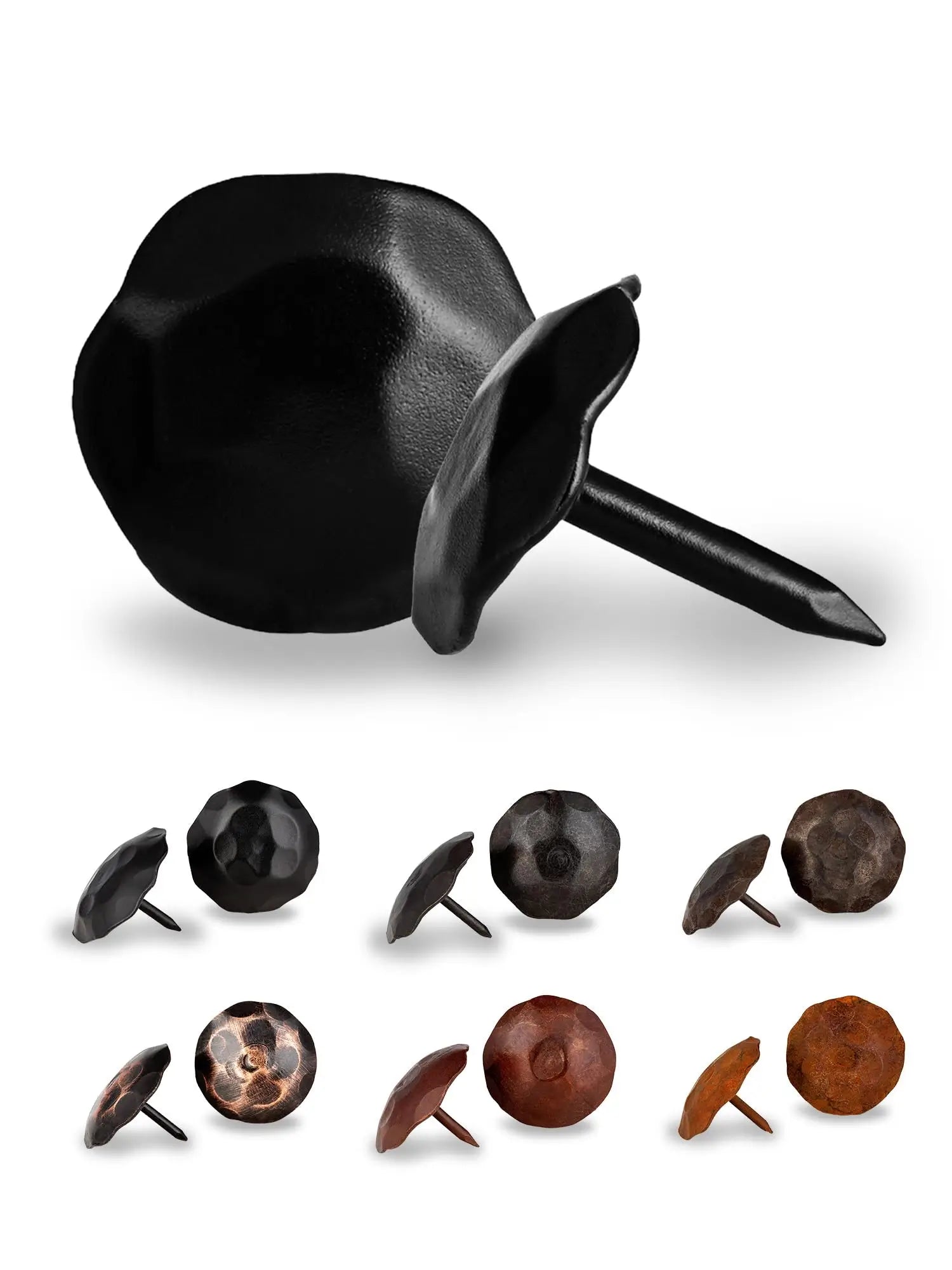
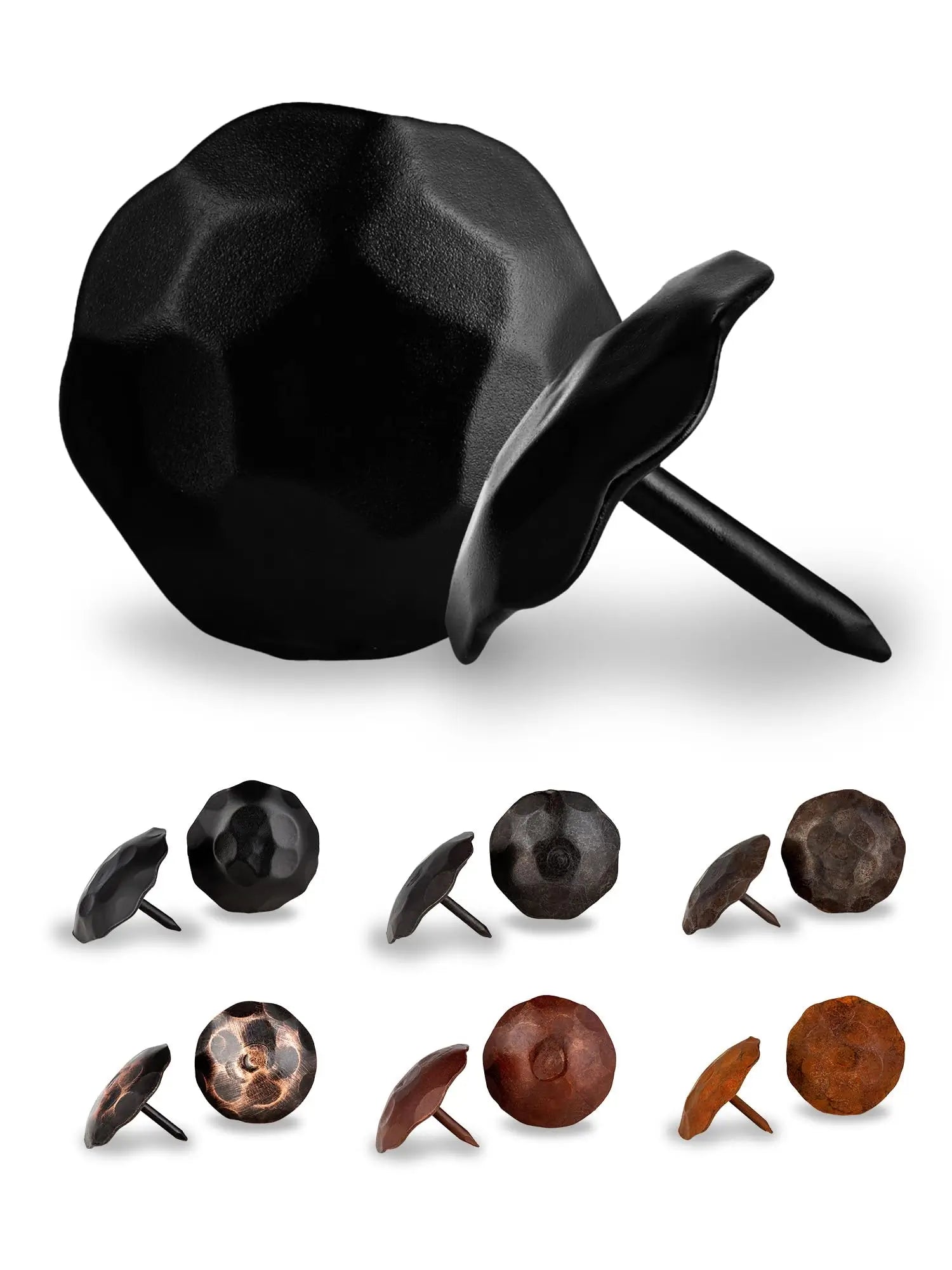
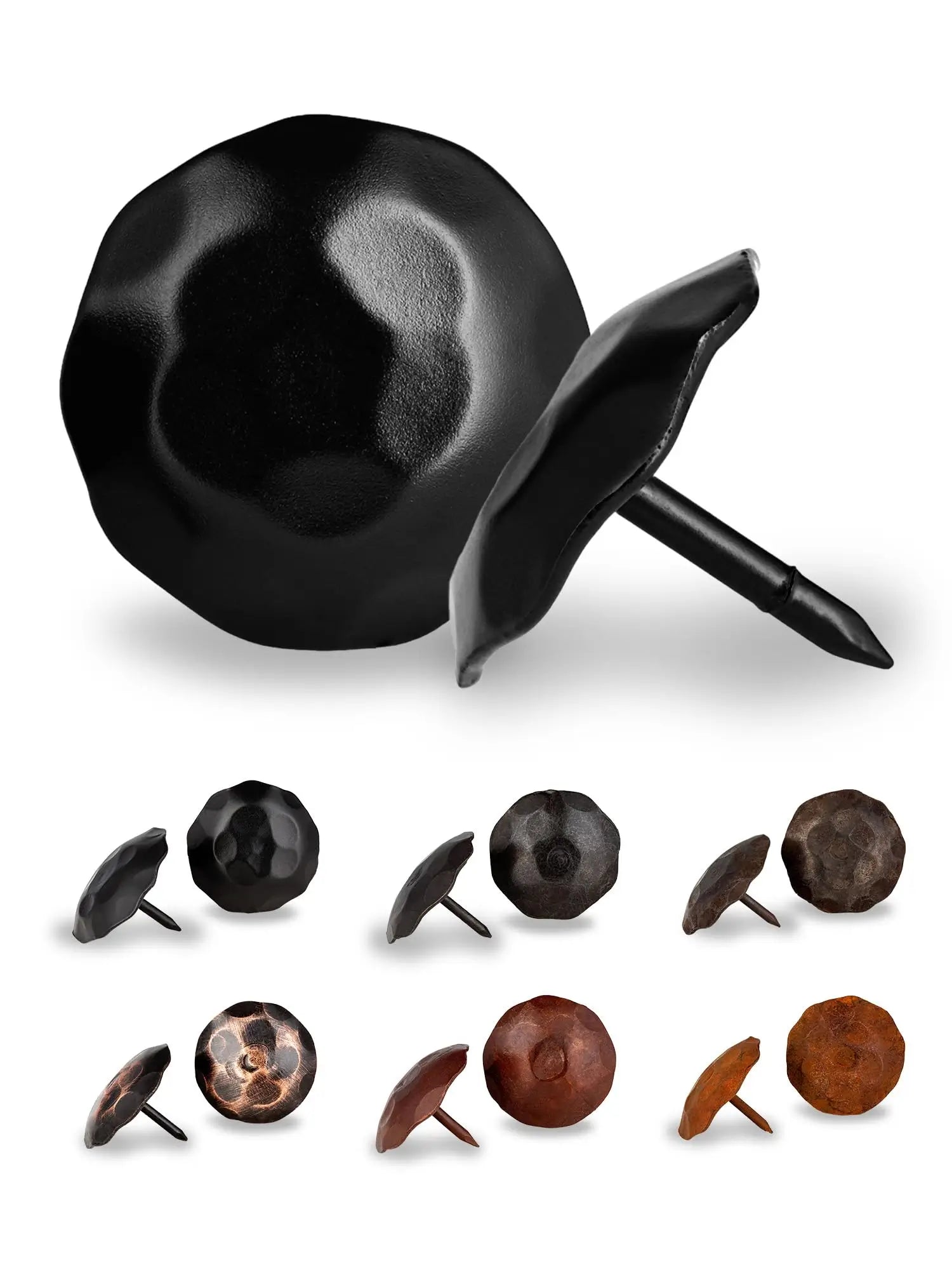
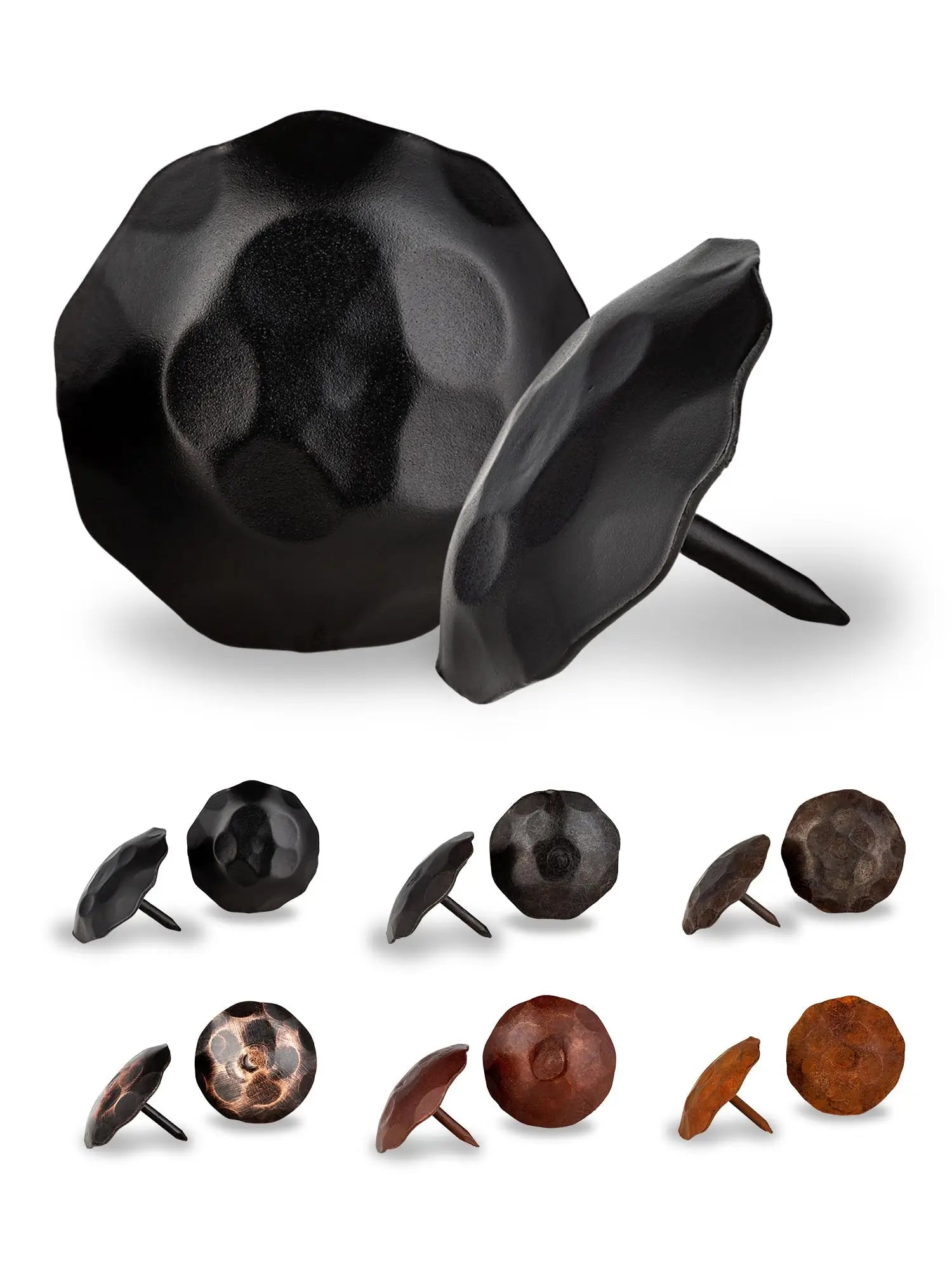
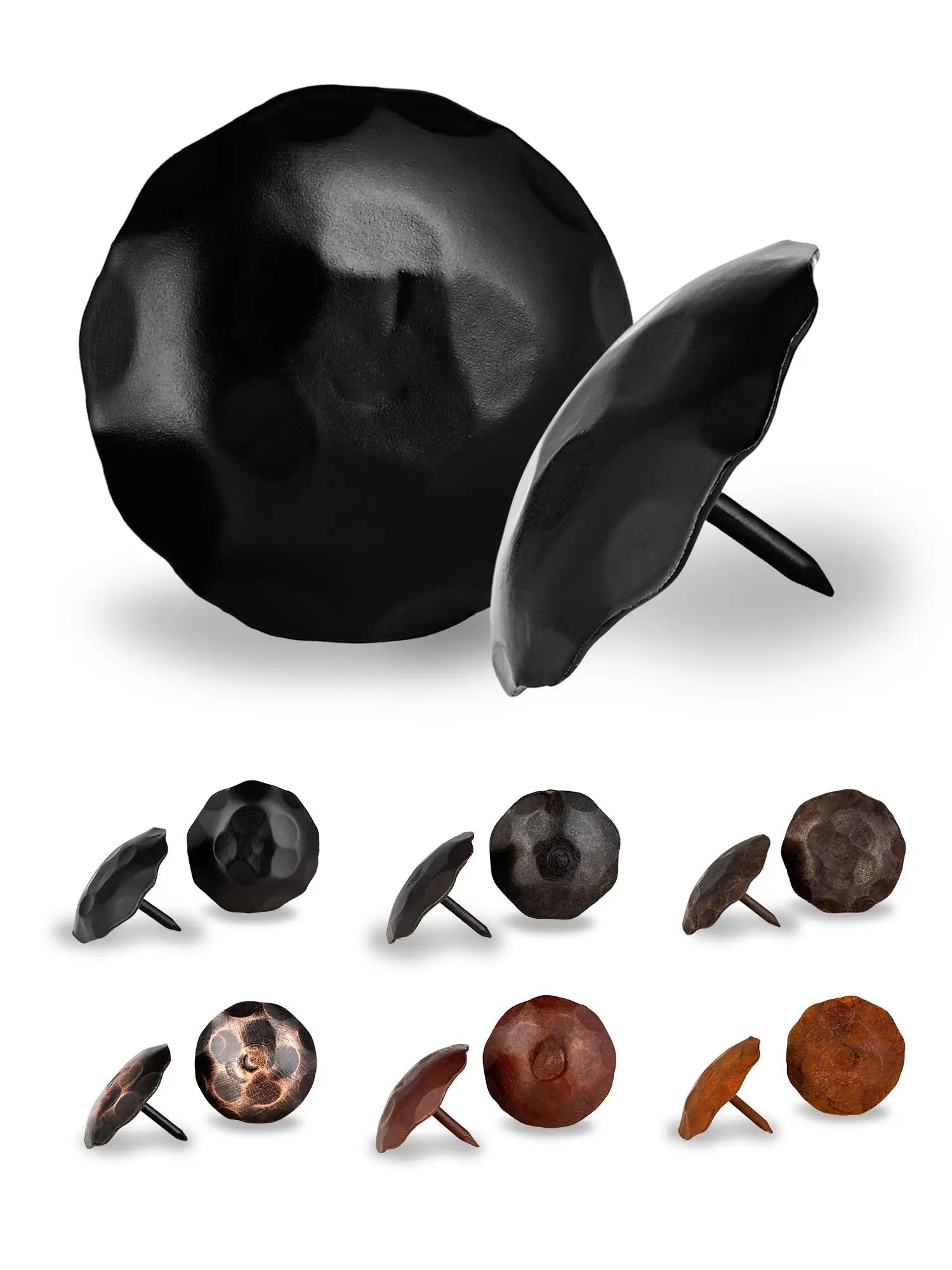


The core difference between a hand-forged clavo and a hardware-store decorative nail is construction: clavos are individually hand-hammered solid iron, while most big-box options are stamped or cast from thinner, lighter-weight metal, often with a painted or plated finish rather than a true forged coating. The visual difference can be subtle in a product photo, but it shows up fast once installed, especially outdoors.
If you've compared prices between a hand-forged clavo and a bag of hardware-store decorative nails, the gap can look hard to justify at first glance. Here's what that price difference is actually paying for.
A genuinely hand-forged clavo is shaped by an individual blacksmith, heating and hammering solid iron into its final form. This is why hand-forged pieces show slight, natural variation from one to the next, no two are perfectly identical. Mass-produced decorative nails are typically stamped from sheet metal or cast, a faster, cheaper process that produces perfectly uniform pieces, but with a thinner, less substantial feel.
Pick up a hand-forged clavo and a stamped equivalent side by side, and the difference is immediately obvious. Solid forged iron has real heft, while stamped or cast alternatives feel noticeably lighter and thinner. That weight difference isn't just a feeling, it reflects genuinely more material and a more durable piece.
This weight difference also affects installation. A heavier clavo sits more securely once mounted and is less likely to work loose over years of use, while a lightweight stamped piece can rattle or shift slightly if the mounting screw isn't perfectly tight.
Hardware-store decorative nails are frequently finished with paint or a thin plated coating, which can chip, peel, or wear through with handling and weather exposure. A properly finished hand-forged clavo uses a coating built into the manufacturing process, black finishes with zinc undercoating, for example, designed to hold up to years of exterior exposure rather than a season or two.
Once a painted finish chips, the exposed metal underneath typically has no additional rust protection, so what starts as a small cosmetic flaw can spread into a larger rust spot within a single season of outdoor exposure. A properly coated hand-forged piece is far more forgiving of the occasional scratch or scuff.
This is where the difference becomes unavoidable. Painted or lightly plated hardware-store nails commonly show rust and finish failure within a year or two of real outdoor exposure, especially in humid or coastal climates. Hand-forged pieces with a proper rust-resistant finish are built to hold their appearance for years, which matters enormously on a front door or gate that gets weathered daily.
For a strictly indoor, low-visibility project, on the back of a closet door, for instance, a budget hardware-store option might be a reasonable trade-off. But for anything visible, handled regularly, or exposed to weather, the construction difference between hand-forged and stamped hardware becomes the whole reason to spend more upfront.
Marketing language can blur this distinction more than it should. Terms like "wrought iron look" or "forged style" often signal a stamped or cast piece styled to resemble hand-forged hardware, rather than an actual hand-forged product. If a listing doesn't explicitly state the piece is hand-forged solid iron, it's worth asking directly before assuming.
Are hand-forged clavos worth the extra cost for an indoor project?
For visible indoor hardware, cabinets, furniture, doors, the added weight and finish quality still make a noticeable difference. For hidden or low-visibility spots, a budget option may be reasonable.
How can I tell if a clavo is genuinely hand-forged before buying?
Look for slight natural variation between pieces in product photos, uniform, identical-looking pieces are a sign of stamping or casting rather than hand-forging. Weight specifications, if listed, are another useful clue.
Do hand-forged clavos require different installation than stamped ones?
No, installation is similar for both, our installation guide covers the process regardless of which type you're working with.
Every clavo we make is hand-forged solid iron, built to actually hold up outdoors. Browse our clavos collection to compare for yourself.