Cart
0
You may also like
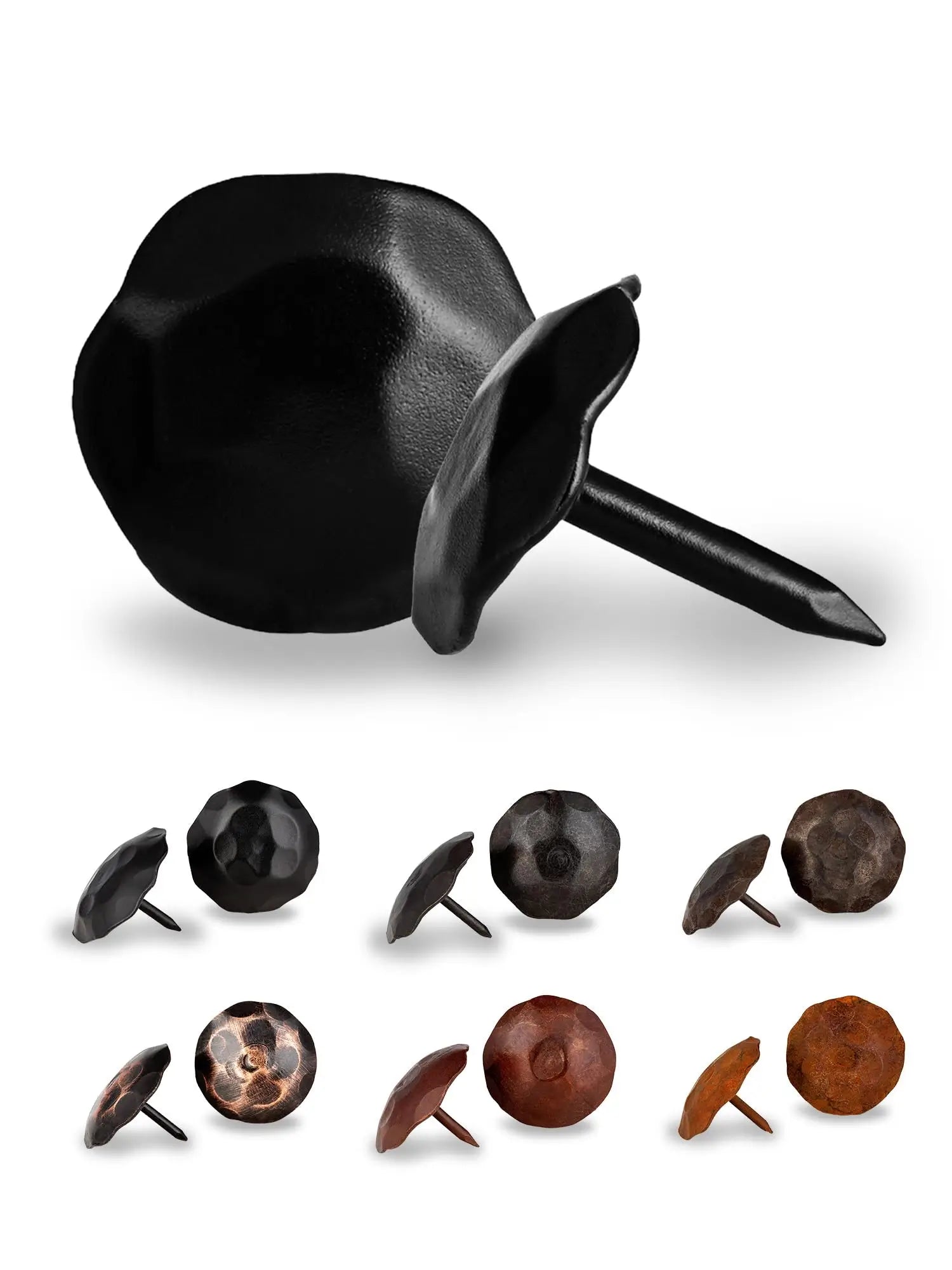
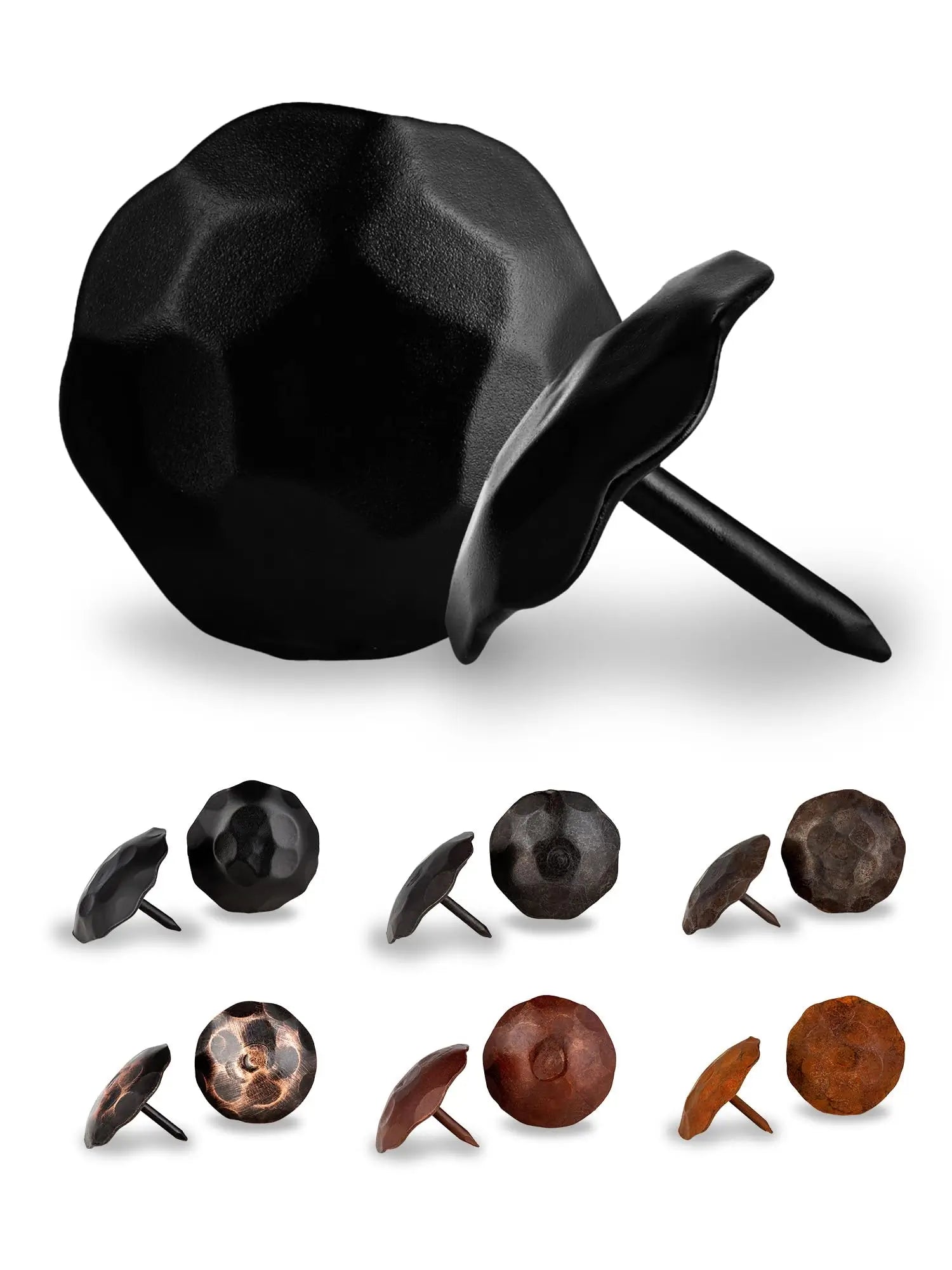
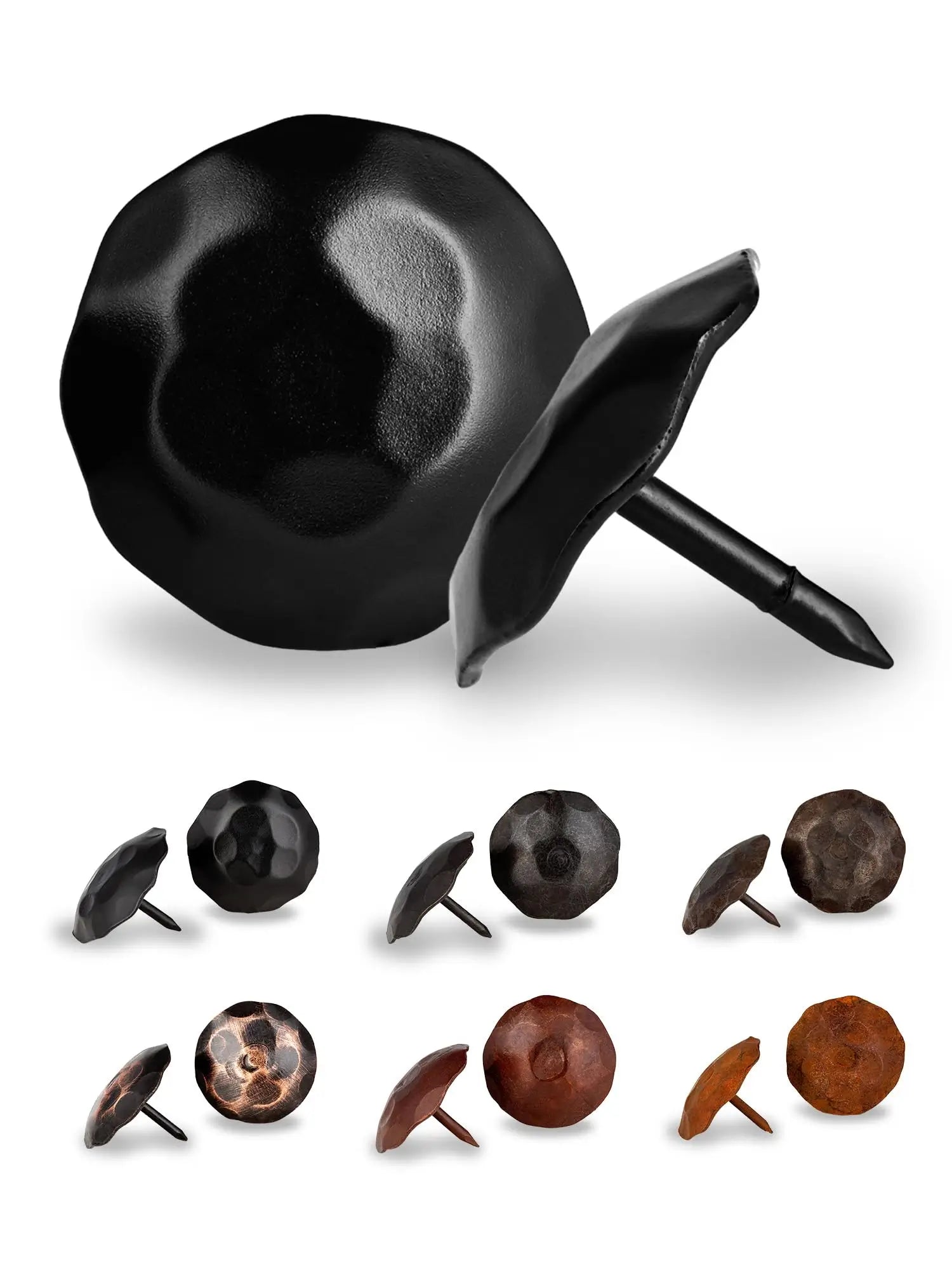
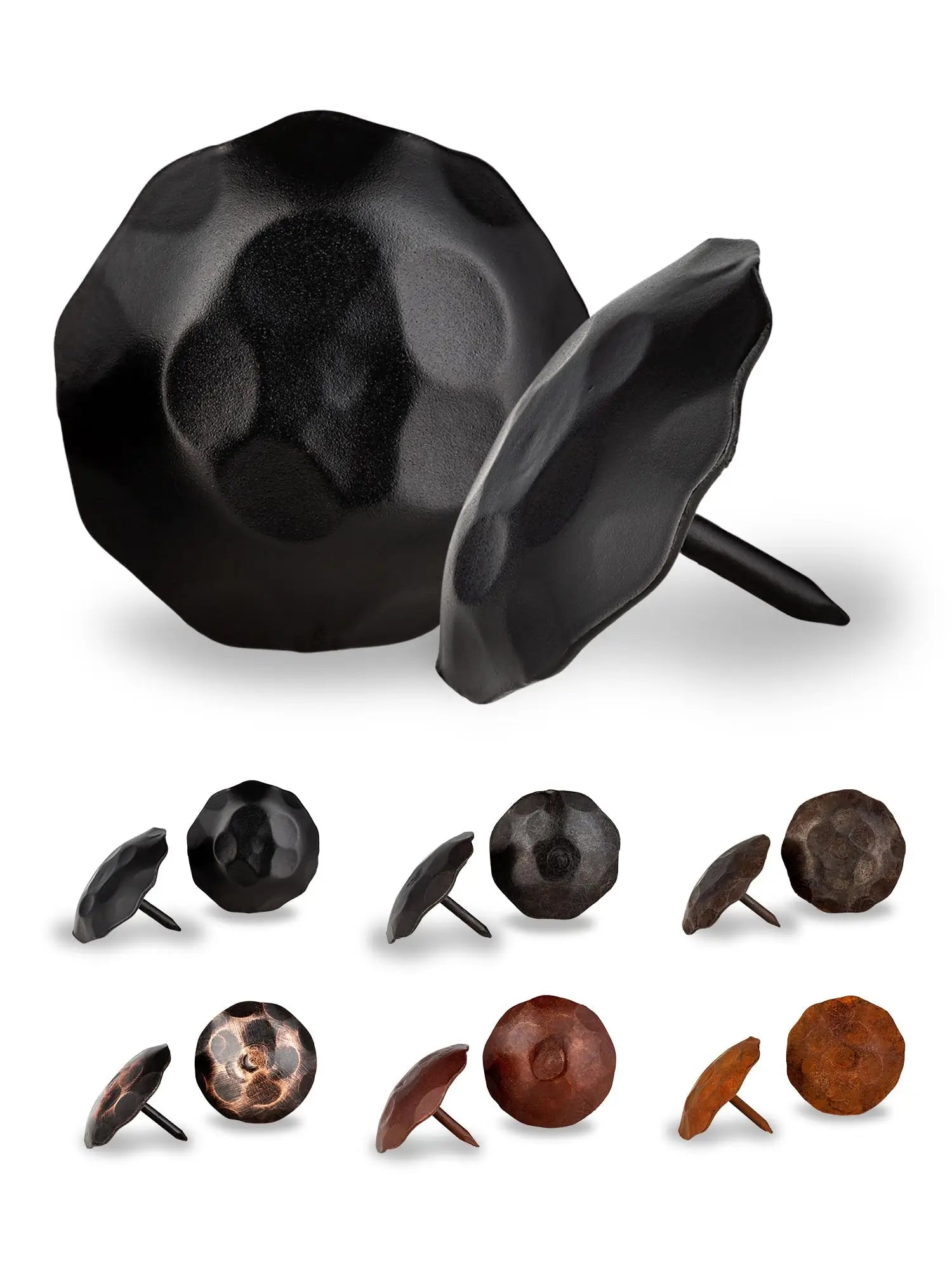


To install faux hinge straps, mark where each strap will sit, check it with a level, drill pilot holes, and screw the strap straight onto the face of the door. Faux hinge straps (also sold as dummy, false, or fake hinges) are purely decorative, so they carry no weight and do not need to line up with the frame. Most doors take under an hour for a pair.
Faux straps give a barn door, garage door, gate, or cabinet the look of heavy forged hinges while hidden hinges or a track system do the real work. That makes installation forgiving. Nothing has to swing, so the only goals are straight, symmetrical, and firmly fastened.
The faux hinge straps and the screws that came with them (many sets include decorative slotted screws)
A drill with a bit slightly narrower than the screw shank
Tape measure and a level
Pencil or painter's tape for marking
A hand screwdriver for the final turns, so you do not overtighten
Tape or a depth stop on the drill bit, to avoid drilling through a thin door
Steel and insulated garage doors need fasteners made for that material. Check the door manufacturer's guidance before drilling into a garage door skin.
Step 1: Decide where the straps go. On a working door, straps sit at the hinge points, usually near the top and bottom, with a third in the middle of a tall door. With faux straps you can place them wherever looks best, but lining them up with where real hinges would sit makes the door look authentic. A strap that runs about a quarter to a third of the door's width looks balanced on most doors.
Step 2: Mark the position. Hold the strap in place, check it with a level, and mark each screw hole with a pencil or painter's tape. Measure from the door's edge and from the top or bottom, and write the numbers down so you can repeat them exactly on the second strap.
Step 3: Pre-drill pilot holes. Drill a pilot hole at each mark, slightly narrower than the screw's shank. Pilot holes keep hardwood from splitting and keep the screws going in straight. Wrap tape around the bit at the right depth so you do not break through the back of the door.
Step 4: Fasten the strap. Start with the center screw, snug but not tight. Check that the strap is still level, then add the remaining screws and tighten them evenly. Stop when each screw head sits flush. Overtightening can scratch the finish and strip softer wood.
Step 5: Repeat and compare. Install the matching strap, then step back and compare the pair. The distances from the edge, top, and bottom should match. If one strap is crooked, fix it now, before the screws have cut deep into the wood.
Step 6: Finish and protect. Wipe off pencil marks and fingerprints. If the door is outdoors, make sure the finish suits the exposure. Black and Sealed Rusted hold up best in continuous weather, as covered in our hand-forged iron finishes guide.
Keep the screw holes at least an inch or two away from the door's edge, especially on solid wood, so the screws do not crack the board. On a framed or paneled door, mount the strap on a solid rail or stile rather than across a thin panel, which can flex and loosen the fasteners over time.
Skipping the level. Even a small tilt is obvious on a long strap.
Mixing finishes between the straps and the handle, latch, or clavos.
Using short screws that only grip a thin door skin.
Forgetting pilot holes in hardwood, which leads to split boards.
Expecting faux straps to support a door. They are decoration only.
Faux straps look best when the rest of the hardware matches. Clavos along the door border or beside the strap tie the set together. Our clavos installation guide and guide to what clavos are cover sizes and spacing. If you are still deciding between a decorative and a working hinge, the strap hinges vs. faux hinges comparison explains the difference, and the decorative garage door hardware guide shows full layouts for carriage-style doors.
Do faux hinge straps have to line up with the real hinges?
No. They are decorative, so they can go anywhere on the door. Lining them up with where real hinges would sit simply looks more natural.
Can faux hinges hold a door?
No. Faux (dummy) hinge straps do not carry weight. The door must be supported by real hinges or a track.
Can I install faux hinge straps on a garage door?
Yes, on most doors, but the fasteners depend on the door material. Steel and insulated doors need appropriate fasteners, so check the manufacturer's guidance first.
Which screws should I use?
Use the screws that come with the set, since they match the finish. If you replace them, keep the same head style and choose a length that grips the door without coming out the back.
Browse our faux hinge straps or explore the full hinges and straps line to find the right size and finish for your door.


