Cart
0
You may also like
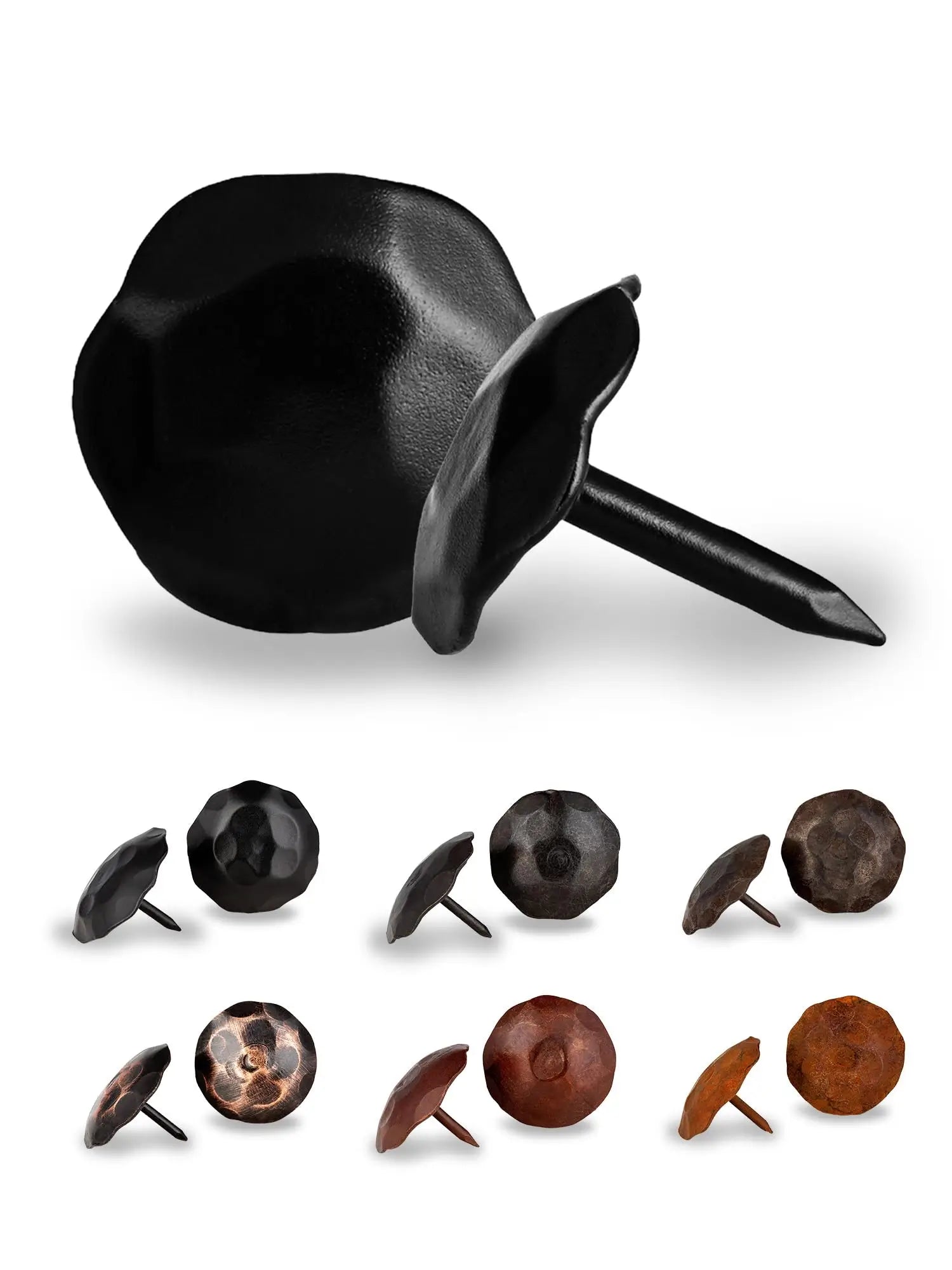
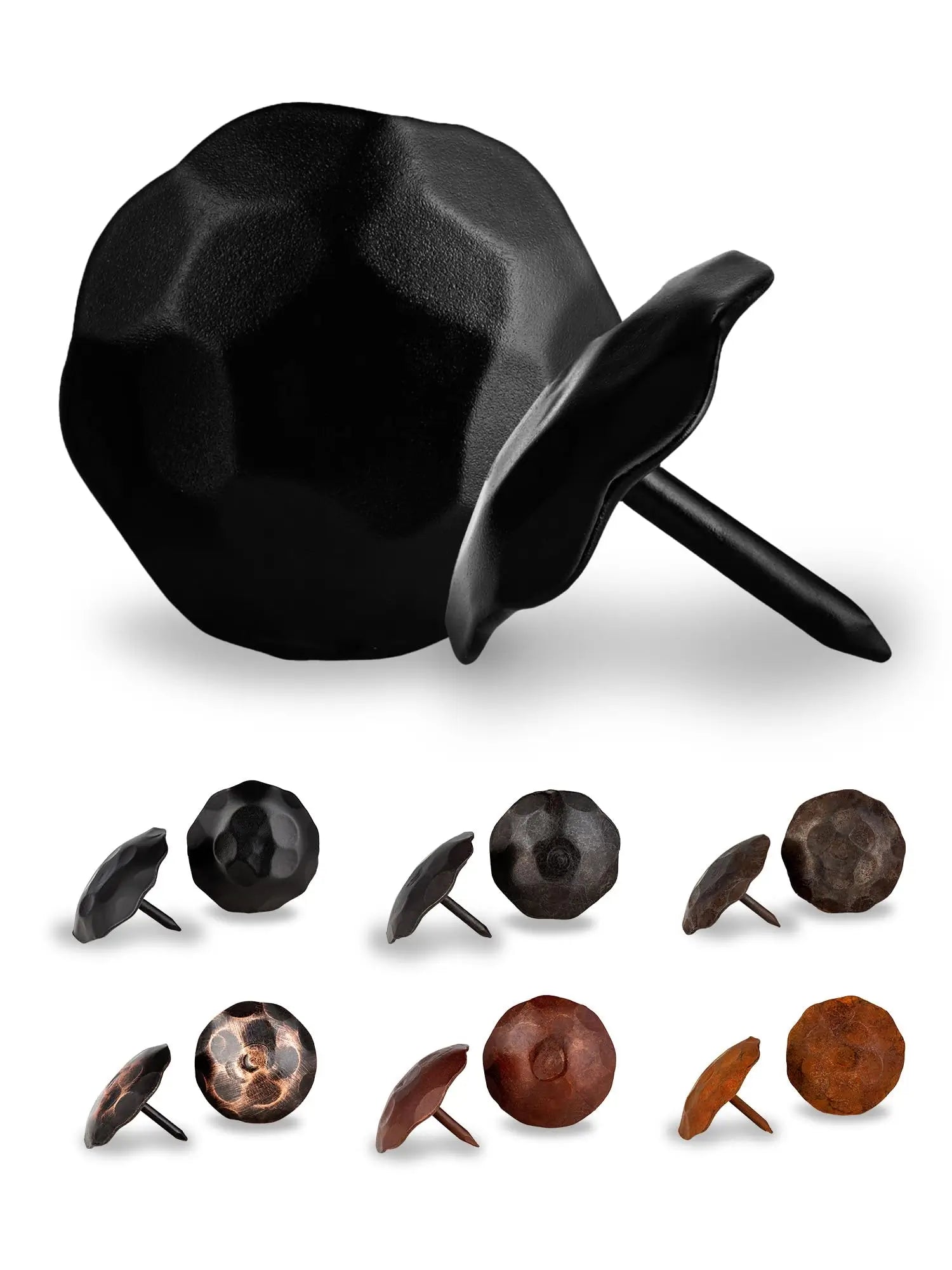
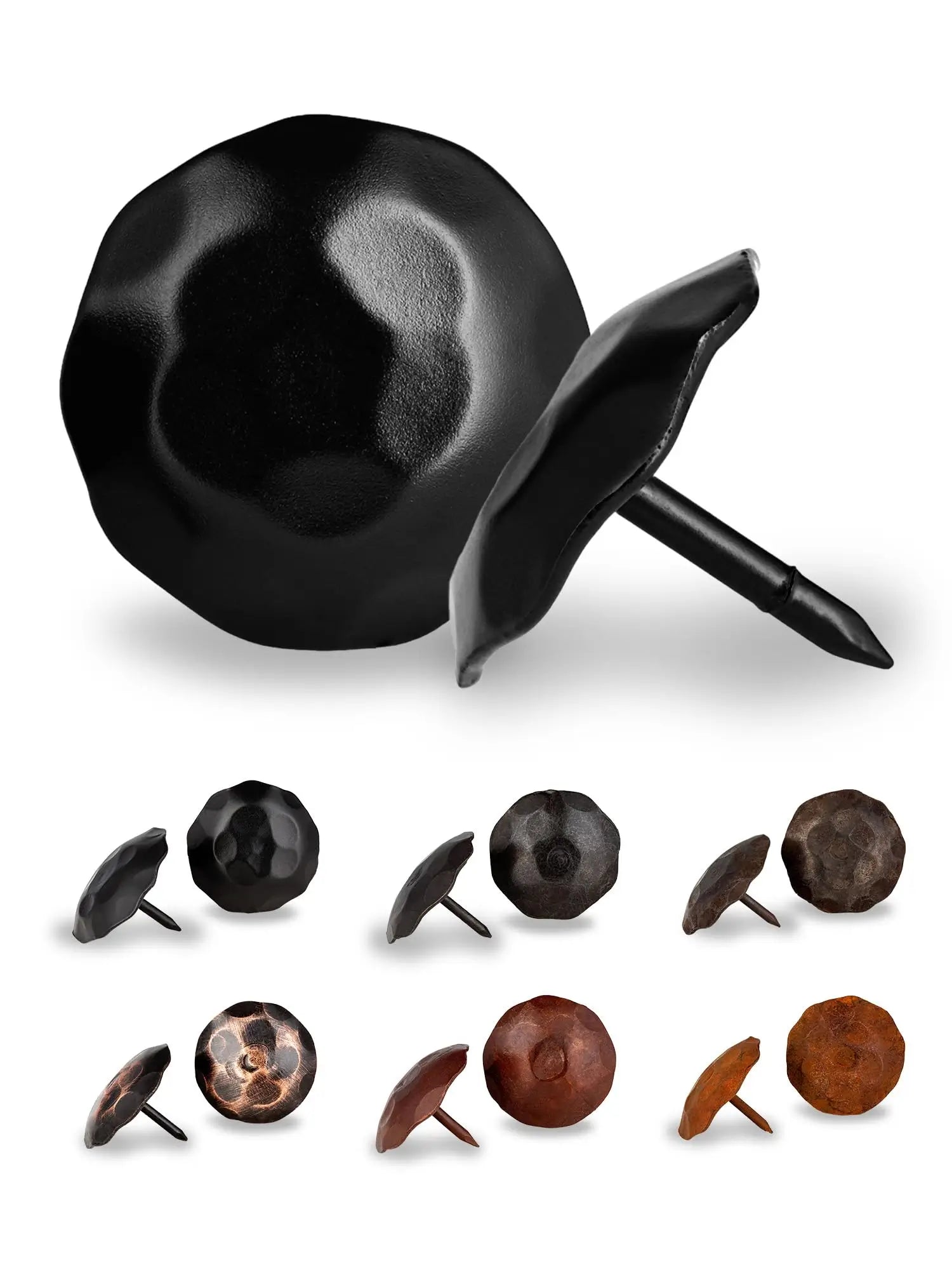
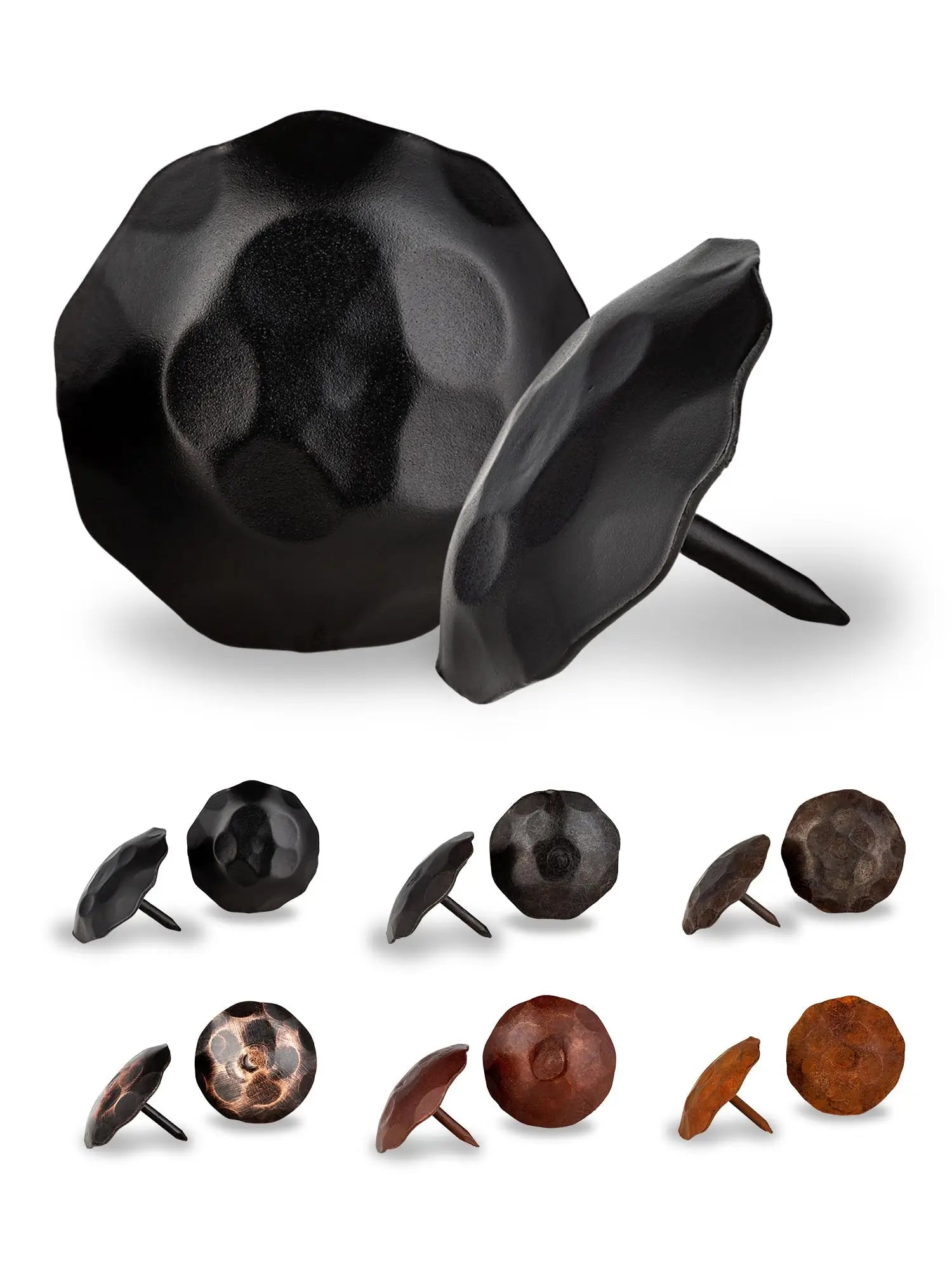
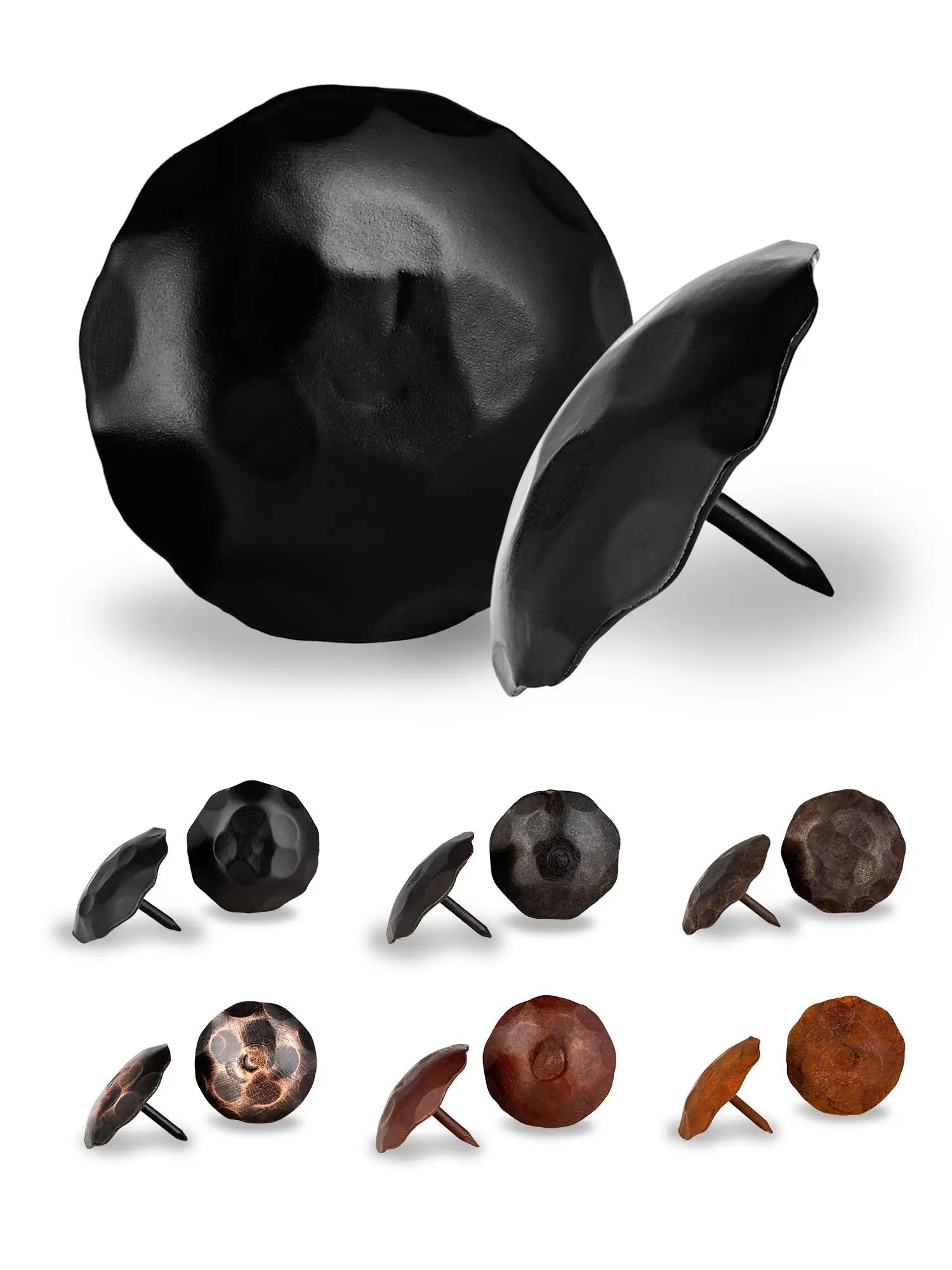


The most common ways to lay out clavos on a door are a border (a single row following the edge), a grid (even rows and columns), a diamond (offset rows), and small clusters around the hinges and handle. As a starting point, space clavos 3 to 6 inches apart, center to center, keep them at least 2 inches in from the door edge, and plan the pattern with painter's tape before you drill.
Clavos are decorative nail heads, so there is no structural rule to follow. The pattern is entirely a design choice, which is why a layout plan matters. A few minutes of planning is the difference between a door that looks hand-built and one that looks accidental. If you need the basics first, start with what clavos are.
A single row of clavos running around the door's perimeter, or around each panel. It is the simplest and most traditional pattern, and it frames the door without covering it. It works especially well with round clavos on plank and paneled doors.
Evenly spaced rows and columns across the door, like a studded gate. A grid gives a bolder, more rugged look, and it suits large doors, gates, and barn doors. Square pyramid clavos read especially well in a grid because the points catch light.
Offset rows that form diamond shapes. It has a more decorative, Spanish Colonial feel, and it works best on doors with plenty of flat surface. Mark the center point first and work outward so the pattern stays symmetrical.
Small groups of clavos around the strap hinges, handle, or latch plate. This keeps the door cleaner while still adding detail where the eye lands. It pairs well with faux hinge straps and with the layouts in our garage door hardware guide.
|
Clavo size |
Typical spacing (center to center) |
Best for |
|
0.75" to 1" |
2.5 to 4 inches |
Cabinet doors, trunks, small panels |
|
1.25" to 1.5" |
3.5 to 5 inches |
Interior doors, shutters, mid-size gates |
|
2" |
4.5 to 6 inches |
Entry doors, barn doors, large gates |
Larger clavos need more room around them, so the spacing grows with the head size. Treat these numbers as a starting point and adjust by eye on a mock-up.
Use the perimeter of your pattern divided by the spacing. For example, on a 36 x 80 inch door with a border set 2 inches in from each edge, the border rectangle measures 32 x 76 inches. That is a perimeter of 216 inches. At 4-inch spacing, you need about 54 clavos. Buy a few extra to cover mistakes and changes in layout.
Mark the layout with tape. Use painter's tape to mark the border line or grid lines on the door.
Dry-fit the clavos. Lay the clavos on the door without fastening them, and step back to check the rhythm.
Fix the center first. For grids and diamonds, mark the center and work outward so the pattern ends evenly on both sides.
Then install. When you are happy with the layout, follow our step-by-step clavos installation guide.
Plank or board-and-batten doors: a border or a grid follows the lines of the boards.
Paneled doors: place a border inside each panel, or run one border around the whole door.
Barn doors and large gates: grids and diamonds work because the surface is big enough to carry them.
Cabinet doors and trunks: a single border of small clavos is usually enough.
Spacing clavos too tightly, so the heads crowd each other and the door looks busy.
Leaving uneven margins from the edge, which is easy to see on a long border.
Mixing sizes randomly. Keep one size per pattern, or change size deliberately between a border and an inner field.
Forgetting where the hinges, latch, and handle will sit, then having to skip clavos around them.
A pattern that looks balanced on the tape mock-up will look balanced on the finished door, so spend the time up front.
Round clavos feel traditional and soft, while square pyramid clavos feel sharper and more rustic. Finish matters too: match it to your other hardware, as explained in our finishes guide. If you are comparing quality, see clavos vs. big-box nails before you buy.
How far apart should clavos be?
A good starting range is 3 to 6 inches center to center, with larger clavos spaced farther apart. Dry-fit the pattern first and adjust by eye.
How many clavos do I need for a door?
Divide the length of your pattern by the spacing. A single border on a standard 36 x 80 inch door at 4-inch spacing takes roughly 54.
Should I use round or square clavos on a door?
Round clavos look softer and more traditional. Square pyramid clavos look sharper and more rugged. Both work. Pick based on the style of the door and the rest of the hardware.
Can clavos be used on a door I cannot drill into?
Some clavos are sold with adhesive backing for surfaces that cannot be drilled, such as metal. Check the product listing for the fastening method.
Browse our full clavos collection or see decorative door nails to plan your layout.


